AI in Art Education: Redefining Creativity & Authorship
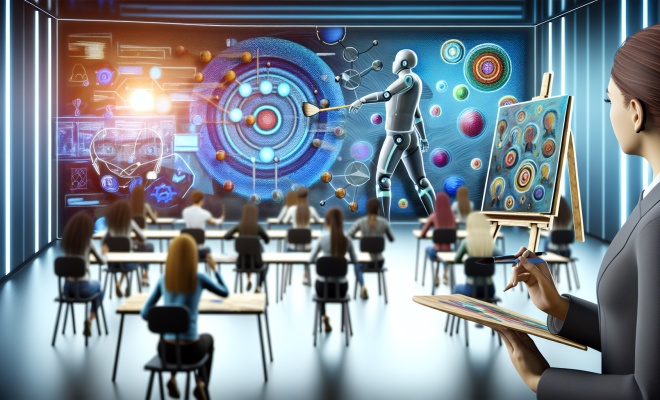
The rise of artificial intelligence (AI) in various fields has sparked an unprecedented transformation, especially in the realm of education. One of the most intriguing developments is the integration of AI in art education, which raises a myriad of ethical questions surrounding authorship, creativity, and learning outcomes. As educational institutions grapple with these challenges, a growing body of research is dedicated to developing frameworks that can help evaluate human-AI collaborative outputs in art education.
The Intersection of AI and Creativity
As AI technologies become increasingly advanced, they are beginning to play a significant role in creative disciplines. Tools powered by AI can generate artwork, assist in music composition, and even create literature. This evolution has led to a reconsideration of what constitutes creativity and originality. In art education specifically, the integration of AI raises important questions about the nature of artistic expression and the implications for students and educators alike.
Understanding the Role of AI in Art Education
AI in art education can serve multiple purposes, from automating mundane tasks to enhancing the creative process. For instance, AI can help students brainstorm ideas, provide feedback on their work, and even suggest improvements based on historical art movements. However, as AI tools become more integrated into the creative process, the essence of authorship becomes blurred.
When students use AI to create their artworks, it challenges traditional notions of originality. For example, if a student inputs prompts into an AI system and receives a piece of art in return, who is the true artist? Is it the student, the AI, or the developers of the software? This question lies at the heart of the ethical discourse surrounding AI in art education.
Ethical Frameworks for Evaluation
In response to these emerging dilemmas, researchers are working on frameworks designed to evaluate human-AI collaborative outputs. These frameworks are crucial for navigating the complex landscape of creativity and authorship in art education. They focus on several key components:
- Artistic Authenticity: Evaluating whether the output can be considered a genuine expression of creativity.
- Learning Outcomes: Assessing how the use of AI impacts students’ educational experiences and skill development.
- Ethical Considerations: Addressing the potential marginalization of critical AI ethics research within academic settings.
Artistic Authenticity and AI
One of the primary concerns in AI in art education is the issue of artistic authenticity. When students rely on AI to generate ideas or produce artwork, it raises the question of whether the final product can be deemed a true representation of their creative vision. The challenge lies in distinguishing between using AI as a tool for inspiration versus allowing it to dictate the artistic outcome.
This concern resonates deeply within the art community, where artists strive for individual expression and originality. Many educators fear that over-reliance on AI may lead to a dilution of these values. Thus, it is essential to establish guidelines that encourage students to use AI as a supportive tool without compromising their unique artistic voice.
The Impact on Learning Outcomes
Another significant aspect of integrating AI into art education is its effect on student learning outcomes. Like any new technology, AI presents both opportunities and challenges for students. While AI can support creativity, it may also lead to a superficial understanding of artistic principles if not utilized thoughtfully.
Balancing AI Tools with Traditional Learning
To ensure that AI enhances rather than detracts from the learning experience, educators must find a balance between traditional artistic techniques and modern technological tools. This balance allows students to develop a comprehensive understanding of both the creative process and the ethical implications of using AI in their work.
For instance, educators might encourage students to create a piece of artwork manually before using AI tools to see how technology can complement their ideas. This approach not only reinforces traditional art skills but also fosters critical thinking about the role of AI in their creative process.
Navigating Ethical Concerns
The ethical implications of AI in art education are vast and complex, particularly concerning authorship and the marginalization of critical AI ethics research. As AI becomes more prevalent, it is crucial for educational institutions to address these ethical questions proactively.
The Role of Educators in Ethical Discourse
Educators play a vital role in guiding students through the ethical landscape of AI in art education. By creating an open dialogue about the implications of AI, teachers can help students develop a nuanced understanding of how AI affects their creative work. They can encourage students to explore the ethical dimensions of using AI, such as copyright issues and the impact on traditional artists.
Incorporating discussions about AI ethics into the curriculum not only cultivates critical thinking but also prepares students for the realities of a rapidly evolving art world. As future artists, students must understand their responsibilities in using AI tools and consider the broader implications on the art community.
The Future of AI in Art Education: Opportunities and Challenges
As AI continues to evolve, its role in art education will undoubtedly expand. However, this evolution is not without challenges. Educational institutions must remain vigilant in addressing the ethical and pedagogical implications of AI in their programs.
Embracing AI as a Collaborative Tool
Rather than viewing AI as a threat to artistic integrity, educators and artists can embrace it as a collaborative tool that enhances the creative process. AI can assist artists in exploring new styles and techniques, enabling them to expand their artistic repertoire.
For example, AI-generated art can serve as a starting point for discussions about art history or different artistic movements. By examining AI outputs, students can gain insights into the creative process, allowing them to make informed choices about their work.
Building a Sustainable Framework for Art Education
To effectively navigate the complexities of AI in art education, schools and institutions should prioritize the development of sustainable frameworks that incorporate ethical considerations, pedagogical strategies, and technological advancements. These frameworks should aim to:
- Foster creativity while maintaining artistic integrity.
- Enhance learning outcomes through the careful integration of AI tools.
- Promote ethical discourse surrounding the use of AI in creative practices.
Collaborative Efforts Among Educators, Artists, and Technologists
Creating a sustainable framework requires collaboration among educators, artists, and technologists. By working together, these stakeholders can develop comprehensive approaches that address the challenges posed by AI in art education.
For instance, workshops can be organized to bring together artists and educators to share their experiences and best practices in using AI tools. Such collaborations can lead to the development of curricula that effectively integrate AI while fostering critical thinking and ethical engagement among students.
Conclusion: Embracing Change in Art Education
The integration of AI in art education presents both exciting opportunities and complex challenges. As we navigate this new frontier, it is crucial to remain attentive to the ethical implications and ensure that students are equipped with the skills and understanding necessary to thrive in a changing artistic landscape.
By developing frameworks that prioritize artistic authenticity, learning outcomes, and ethical discourse, educational institutions can foster an environment where creativity flourishes alongside technological innovation. Embracing AI as a collaborative partner in the creative process can empower artists and educators alike, shaping the future of art education in profound ways.
As we move forward, ongoing discussions about the role of AI in art will continue to spark debate and inspire new generations of artists, ensuring that creativity remains at the forefront of education, even in a technologically advanced world.