How Green Reimbursement Models Can Transform Healthcare and Fight Climate Change
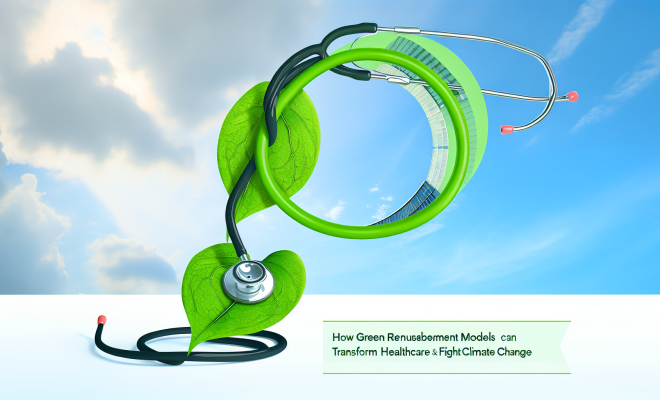
In an era where climate change poses an imminent threat to public health and ecosystems, the intersection of health policy and environmental sustainability is more critical than ever. Recent research published in Health Affairs sheds light on an innovative solution that could revolutionize the healthcare industry: green reimbursement models. These models not only aim to decarbonize healthcare systems but also promise to enhance patient outcomes. This dual impact creates a compelling narrative that challenges the widely held belief that climate action requires trade-offs, making it a topic ripe for viral attention.
The Case for Green Reimbursement Models
The healthcare sector is one of the largest contributors to carbon emissions globally. According to the research, reforming payment structures within this sector can significantly reduce its carbon footprint. The study emphasizes the importance of aligning financial incentives with climate action, demonstrating that green reimbursement models can be effective tools for achieving sustainability goals while simultaneously improving healthcare delivery.
Understanding the Research Findings
The study illuminates a direct correlation between healthcare financing and its environmental impact. By adopting green reimbursement models, healthcare providers can transition to environmentally friendly practices without sacrificing profitability. This innovative approach enables hospitals and clinics to invest in sustainable technologies, reduce waste, and encourage preventive care—all of which contribute to a lower carbon footprint.
- Decarbonizing Healthcare: The healthcare system is responsible for a significant portion of greenhouse gas emissions. Green reimbursement models incentivize providers to adopt practices that lower emissions, such as energy-efficient infrastructure and sustainable sourcing of medical supplies.
- Improving Patient Outcomes: By integrating sustainability into the core of healthcare financing, patient care can improve. Focusing on preventive measures not only enhances health outcomes but also reduces long-term costs associated with chronic illnesses.
- Financial Viability: Contrary to the belief that going green equates to higher costs, the research reveals that healthcare providers can maintain or even increase their profitability while adopting sustainable practices.
Why This Matters Now
As the climate crisis worsens, communities around the globe are experiencing the adverse effects of environmental degradation. From increased respiratory issues due to air pollution to the spread of vector-borne diseases, the health implications of a changing climate are profound. Health policymakers and providers are actively seeking solutions to mitigate these issues, making the timing of these findings particularly pertinent.
The Economic Argument for Green Reimbursement Models
One of the most compelling aspects of green reimbursement models is their potential for creating economic benefits. By reforming payment systems, the healthcare industry can redirect funds towards sustainable initiatives that yield long-term savings. For example, investing in energy-efficient buildings can lead to decreased operational costs over time, offsetting initial investments.
- Cost Savings: Energy efficiency and waste reduction directly contribute to lower operating costs for healthcare facilities.
- Enhanced Funding Opportunities: As more emphasis is placed on sustainability, healthcare providers may attract grants and subsidies aimed at promoting green practices.
- Market Differentiation: Facilities that adopt green practices can distinguish themselves in a competitive market, appealing to environmentally conscious patients and providers.
Implementing Green Reimbursement Models: Challenges and Solutions
While the potential benefits of green reimbursement models are clear, the implementation process poses several challenges. Resistance to change, lack of awareness, and existing financial structures can hinder the adoption of these models. However, the research provides insights into overcoming these barriers.
1. Engaging Stakeholders
Successful implementation of green reimbursement models requires the buy-in of various stakeholders, including healthcare providers, insurers, and policymakers. Engaging these groups through education on the benefits of sustainability can foster a collaborative approach to change.
2. Developing Policy Frameworks
Policymakers must create regulatory environments that support the transition to green reimbursement models. This includes establishing guidelines for sustainability metrics and incentivizing providers who implement green practices.
3. Measuring Impact
To ensure that green reimbursement models deliver on their promises, it is vital to develop robust measurement systems. Evaluating the environmental and economic impacts of these models will provide the evidence needed to encourage broader adoption.
The Role of Technology in Advancing Green Reimbursement Models
Technology is a key enabler in the adoption of green reimbursement models. Innovations in telemedicine, data analytics, and electronic health records can streamline operations and reduce waste. By leveraging technology, healthcare providers can enhance efficiency and improve patient care while minimizing their environmental impact.
Telemedicine as a Sustainable Solution
Telemedicine has emerged as a crucial tool for reducing carbon emissions associated with patient transportation. By facilitating remote consultations, healthcare providers can decrease the need for travel, thereby lessening their carbon footprint.
Data-Driven Decision Making
Advanced analytics can help healthcare organizations identify areas where they can improve sustainability. By analyzing energy usage, waste production, and patient outcomes, providers can drive operational efficiencies and make data-informed decisions that align with green reimbursement models.
Case Studies: Successful Implementation of Green Reimbursement Models
Several healthcare organizations have already begun to adopt green reimbursement models with positive outcomes. These case studies provide real-world examples of how aligning financial incentives with sustainability can lead to improved health and economic benefits.
1. Intermountain Healthcare
Intermountain Healthcare, based in Utah, has implemented various sustainability initiatives that align with green reimbursement strategies. By adopting energy-efficient practices and promoting preventive care, the organization has seen a reduction in operational costs and improved patient outcomes.
2. Kaiser Permanente
Kaiser Permanente has made significant investments in sustainable infrastructure and practices. Their commitment to green initiatives not only supports environmental goals but also enhances patient care, demonstrating that sustainability and profitability can go hand in hand.
3. Partners HealthCare
Partners HealthCare, located in Massachusetts, has developed a comprehensive sustainability strategy that includes green reimbursement models. Their approach has resulted in measurable reductions in emissions while simultaneously improving health services.
The Future of Healthcare: A Green Transformation
The research from Health Affairs indicates that the future of healthcare can be both sustainable and economically viable. By embracing green reimbursement models, healthcare providers have the opportunity to lead the way in the fight against climate change while delivering high-quality care to patients.
Encouraging a Cultural Shift
For these models to gain traction, a cultural shift within the healthcare industry is necessary. As healthcare providers recognize the importance of sustainability, they will become champions of change, advocating for policies and practices that prioritize both health and the environment.
Call to Action for Policymakers and Providers
In light of the research findings, it is essential for policymakers and healthcare providers to actively pursue green reimbursement models. Creating supportive policies, fostering collaboration, and prioritizing sustainability can lead to a healthier planet and population. The time for action is now—aligning health policy with climate action can yield benefits that extend beyond the healthcare sector and into our communities.
Conclusion: A Win-Win for Health and the Planet
The findings published in Health Affairs present a compelling case for the adoption of green reimbursement models in healthcare. By decoupling the notion that climate action comes at the expense of profitability, this research encourages stakeholders to rethink their approach to environmental sustainability within the sector. As the healthcare industry grapples with its significant role in climate change, the integration of green reimbursement models offers a promising path forward—one that not only benefits the environment but also enhances patient care and economic viability.