Navigating Buyer’s Remorse in Today’s U.S. Housing Market
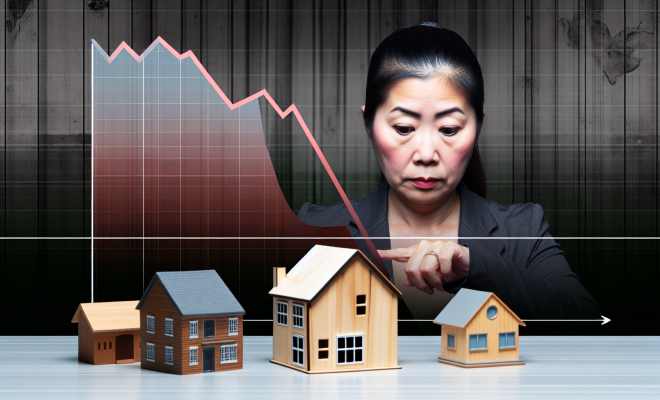
The landscape of homebuying in the United States has undergone a tumultuous transformation, leaving many buyers grappling with what can only be described as a sense of profound remorse. As the market evolves, the convergence of rising interest rates and increasing cash offers creates a complex environment for prospective homeowners, making the dream of homeownership feel more like a daunting obligation.
Market Dynamics: The Rise of Cash Offers
In recent months, the trend of cash offers in real estate transactions has surged, with approximately one in three home sales being made in cash. Although this figure marks a slight decline from its peak, it is indicative of a broader pattern where affluent buyers dominate the market, often sidelining those who rely on mortgage financing.
This shift can be attributed to a variety of factors, including the competitive pressures that arise when mortgage rates hover near the 6% mark. As affordability challenges mount, particularly for first-time homebuyers, many are finding themselves priced out or competing against cash buyers who can close deals more quickly and without the constraints of financing.
Understanding Buyer’s Remorse
The phenomenon of buyer’s remorse is not new, but its prevalence in the current real estate climate is striking. Many homeowners who purchased properties in a frenzied market may now feel they overpaid, especially as the reality of monthly mortgage payments sets in. As interest rates rise, the cost of borrowing increases, making previously affordable homes significantly less accessible.
Buyer’s remorse can manifest in several ways:
- Financial Anxiety: Homeowners are often left questioning their financial decisions, especially as they see their investment’s value fluctuate amid economic uncertainty.
- Market Volatility: The ongoing volatility in the housing market can lead to feelings of insecurity, where buyers worry that they may have purchased at the peak of the market.
- Emotional Stress: The emotional investment in buying a home can lead to feelings of regret when the reality of maintenance costs, taxes, and unexpected repairs set in.
The Impact of Rising Interest Rates
The Federal Reserve’s movements to combat inflation have resulted in a significant rise in interest rates, closely affecting mortgage rates across the nation. Currently, rates are hovering around 6%, a figure that can dramatically alter a buyer’s monthly mortgage payments and overall affordability.
For instance, a modest increase in interest rates can lead to hundreds of dollars more in monthly payments. This reality hits first-time buyers particularly hard, as they often operate on tighter budgets and have fewer financial reserves. The result is a slowdown in demand, with many potential buyers choosing to sit on the sidelines rather than jump into a volatile market.
Strategies for Navigating the Current Market
In light of these challenges, prospective homebuyers are advised to adopt strategies to mitigate the risk of buyer’s remorse:
- Conduct Thorough Research: Understanding local market trends, comparable sales, and the potential for future appreciation can provide valuable context for making informed decisions.
- Get Pre-Approved: Securing a mortgage pre-approval can not only enhance a buyer’s negotiating power but also clarify their budget constraints.
- Consider Timing: Buyers should be patient and consider the timing of their purchase. Waiting for signs of market stabilization or price reductions can lead to better deals.
- Work with a Real Estate Professional: Partnering with an experienced real estate agent can help navigate the complexities of the market and provide insights into potential pitfalls.
The Future of Homebuying
Looking ahead, the U.S. housing market is expected to remain dynamic. As interest rates stabilize, the potential for renewed buyer confidence may emerge. However, the challenge of affordability will persist, particularly as home prices continue to rise in many regions.
For those who have already purchased homes, it is crucial to maintain perspective. Real estate is typically a long-term investment, and fluctuations in market value are common. Homeowners can take solace in the fact that while the market may be volatile, the intrinsic value of homeownership—stability, community, and personal fulfillment—remains steadfast.
In conclusion, the current state of the U.S. housing market presents both challenges and opportunities. By equipping themselves with the right tools and knowledge, buyers can navigate these turbulent waters and make informed decisions that will serve them well into the future.