Nifty, Sensex Soar in 2026 Amidst Geopolitical Tensions
Introduction
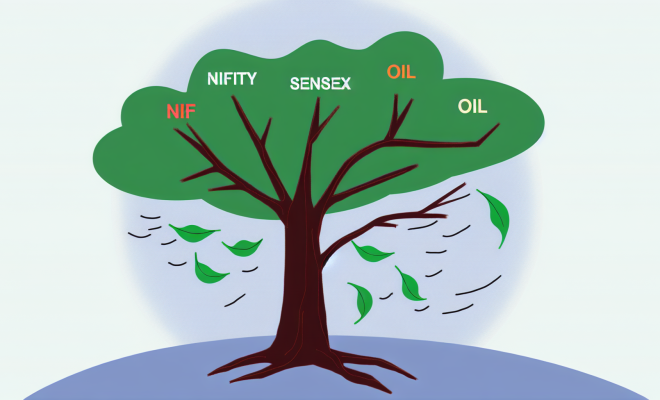
On March 17, 2026, Indian financial markets displayed an optimistic outlook despite the backdrop of geopolitical tensions, particularly the ongoing Israel-Iran conflict. The Nifty index opened on a positive note, trading around 23,504, marking an increase of 75 points from its previous close in Nifty futures. This surge reflects a resilience in the Indian stock market, which is often sensitive to global events and economic shifts.
Geopolitical Tensions and Market Reactions
The Israel-Iran conflict continues to create a ripple effect across global markets, impacting investor sentiment and driving volatility in oil prices. As tensions escalate, the potential for supply disruptions raises concerns not only for the energy sector but also for broader economic stability.
Despite these pressures, Indian indices have shown remarkable strength, demonstrating the market’s ability to weather external shocks. Analysts suggest that the resilience may be attributed to a combination of strong domestic fundamentals and proactive monetary policies.
Key Market Indicators
- Nifty Index: Opened at 23,504, up 75 points.
- Sensex Movements: The Sensex also mirrored positive sentiment, aligning with the upward trajectory of Nifty.
- LPG Prices: Fluctuations in oil prices are influencing consumer goods costs, including LPG, which remains a critical aspect of household expenditures.
Impact of Oil Prices on the Indian Economy
The volatility in oil prices is a significant concern for the Indian economy, which is heavily reliant on imports. As oil prices fluctuate due to geopolitical tensions, the implications for inflation and fiscal policies are profound. Higher oil prices typically lead to increased costs across various sectors, from transportation to manufacturing.
In recent updates, analysts have closely monitored the price of crude oil, which has seen significant fluctuations. These changes not only affect the profitability of companies within the energy sector but also have broader implications for inflation rates and consumer spending.
Corporate Developments and IPO Trends
Amidst these economic challenges, corporate developments continue to unfold. Companies are adapting their strategies to navigate the complexities introduced by global energy market volatility. Many are focusing on sustainability and diversifying their energy sources to mitigate the risks associated with fluctuating oil prices.
Moreover, Initial Public Offerings (IPOs) have garnered attention as businesses seek to capitalize on favorable market conditions. Investors are particularly interested in new listings that can demonstrate resilience and adaptability in the face of geopolitical challenges.
Broader Market Trends
The live coverage provided by CNBC-TV18 highlights the dynamic nature of the Indian financial landscape. As geopolitical risks loom, investors are advised to stay informed about market movements and corporate developments that may impact their portfolios.
In addition to Nifty and Sensex movements, the coverage also sheds light on sector-specific trends, including technology, consumer goods, and infrastructure. These sectors are expected to play a vital role in shaping the market’s trajectory in the coming months.
Investor Strategies in a Volatile Market
For investors, the current market environment calls for a strategic approach. Here are some strategies to consider:
- Diversification: Spreading investments across various sectors can mitigate risks associated with geopolitical events.
- Focus on Fundamentals: Prioritizing companies with strong balance sheets and robust business models can provide a buffer against market volatility.
- Stay Informed: Keeping abreast of global developments and their potential impact on local markets is crucial for making informed investment decisions.
Conclusion
As of March 17, 2026, the Indian stock market illustrates resilience in the face of geopolitical tensions and fluctuating oil prices. With Nifty trading positively and corporate developments underway, investors are encouraged to remain vigilant and adaptable. The current climate presents both challenges and opportunities, emphasizing the importance of informed decision-making in a rapidly changing environment.
In summary, while the Israel-Iran conflict poses risks, the robust nature of the Indian economy and its markets suggests a capacity to withstand external shocks. Ongoing updates from financial news outlets will be vital in navigating this complex landscape.