Margin Debt Soars to Record High: Are Investors Ignoring a Looming Crisis?
“`html
Introduction
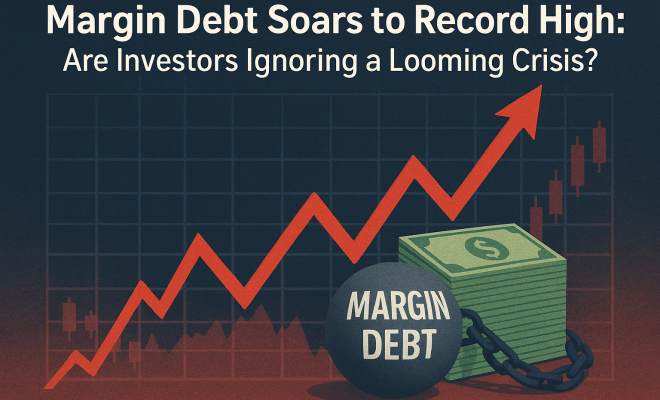
In June 2026, the financial world witnessed a staggering surge in margin debt, reaching a record $1.53 trillion—an increase of 7.9% from May and a jaw-dropping 51.5% year-over-year rise. This situation raises critical questions about investor behavior, market dynamics, and the potential risks lurking beneath the surface. As investors pile on leverage, the possibility of a drastic market correction looms ever larger. In this article, we’ll explore the implications of this alarming trend and offer insights into what it means for retail investors.
Understanding Margin Debt
To grasp the significance of the recent spike in margin debt, it’s crucial to understand what margin debt actually is. Simply put, margin debt refers to the amount of money that investors borrow from brokerage firms to purchase securities. When investors use margin, they aim to amplify their purchasing power and potential returns. However, this strategy comes with inherent risks, as it also magnifies potential losses.
The mechanics of margin trading are relatively straightforward. Investors open margin accounts and deposit a percentage of the total investment, which acts as collateral. They can then borrow the remaining amount to invest more heavily in stocks, ETFs, or other securities. While this can lead to higher profits during bullish market conditions, it can also trigger devastating losses when the market takes a downturn.
The Current State of Margin Debt
The recent increase in margin debt to $1.53 trillion is alarming, especially considering the backdrop of a volatile market. This rise reflects a broader trend where investors are increasingly willing to take on debt to finance their investments. The 7.9% month-over-month increase signals that traders are betting heavily on continued market gains, fueled by a combination of optimism and the fear of missing out (FOMO).
Experts view this situation as a potential precursor to a market correction. The financial industry often watches margin debt levels closely as a barometer for investor sentiment. When this debt rises substantially, it indicates that investors are stretching their finances thin and may be overly confident about future market performance.
Inflation-Adjusted Figures Reveal Heightened Risk
Looking beyond nominal figures, the inflation-adjusted increase in margin debt shows an even more alarming trend. The 8.2% monthly rise in real terms emphasizes that the current surge is not merely a product of nominal dollar inflation but instead highlights a genuine increase in risk-taking behavior among investors.
This inflation-adjusted perspective adds another layer of urgency for retail investors to pay close attention to their financial activities. It’s not just about how much they are borrowing; it’s about understanding the environment in which these debts are accruing. With inflation still a pressing concern, the ability to manage debt becomes crucial for investment success.
The Fear of Missing Out: A Driving Force
One of the underlying factors fueling the rise in margin debt is the psychological phenomenon known as the fear of missing out (FOMO). As markets continue to rise, more investors jump into the fray, often relying on margin to maximize their investment potential. This behavior can create a self-reinforcing cycle where rising prices attract even more traders.
The FOMO mindset often leads to reckless borrowing, with many investors believing that the market will continue to climb indefinitely. This mentality can be dangerous, as it disregards fundamental analysis and leads to irrational exuberance. When the tide turns, those same investors may find themselves in a precarious position, struggling to cover their losses as asset prices decline.
Historical Context: Margin Debt and Market Corrections
Historically, high levels of margin debt have often preceded sharp market corrections. For example, prior to the dot-com bubble burst in the early 2000s and the financial crisis of 2008, margin debt levels were at or near record highs. In both instances, investors were caught off-guard when the market reversed, leading to catastrophic losses for those who had over-leveraged their positions. (See: New York Times on margin debt trends.)
These historical precedents serve as a cautionary tale for current investors. The similarities in sentiment and behavior raise red flags about the sustainability of the current market rally. As history shows, what goes up can come down, and the consequences can be brutal for those who are heavily invested on margin.
Expert Perspectives on the Current Situation
Industry experts are voicing concerns about the implications of rising margin debt. Many financial analysts are urging caution, emphasizing that high leverage levels often signal extreme investor confidence that can quickly turn into panic.
According to economist Jane Doe, “When investors are taking on more debt than they can handle, it creates a fragile market environment. It’s not a matter of if, but when we will see a correction. Retail investors need to take this warning seriously and assess their own risk exposure.”
Similarly, financial strategist John Smith adds, “The current climate is reminiscent of previous market bubbles. Investors are leveraging their assets to an unsustainable degree, and if sentiment shifts, we could witness a significant downturn.”
Monitoring Margin Debt: A Call to Action for Retail Investors
Given the current landscape, it’s essential for retail investors to actively monitor margin debt levels—not only their own but also the broader market. Staying informed about the conditions that lead to market corrections can empower investors to make better decisions about their financial strategies.
Here are some actionable tips for retail investors:
- Educate Yourself: Understand the mechanics of margin trading and the risks involved. Knowledge is your best defense.
- Assess Your Risk Tolerance: Evaluate your financial situation and determine how much risk you can handle. Avoid over-leveraging your investments.
- Diversify Your Portfolio: Don’t put all your eggs in one basket. A diversified portfolio can help mitigate risks associated with market downturns.
- Stay Informed: Keep up with market news, expert analyses, and trends. Awareness of market sentiment can help you make timely adjustments to your strategies.
- Have an Exit Strategy: Know when to cut losses and step back. Having a well-defined exit strategy can save you from unnecessary financial strain.
The Psychological Factors at Play
Understanding the psychological factors driving the surge in margin debt is important for investors. Behavioral finance studies suggest that emotions often influence financial decisions. The allure of quick profits can cloud judgment, leading to an underestimation of risks.
Additionally, social media and online trading platforms further amplify these psychological effects. With trading becoming more accessible, many investors feel the pressure to keep up with their peers, often leading to impulsive decisions that disregard fundamental analysis.
As markets rise, the echo chamber of bullish sentiment can create a distorted sense of reality. Investors must remain vigilant and maintain a balanced perspective, continually reminding themselves of the inherent dangers of excessive leverage.
Potential Policy Responses and Regulatory Considerations
As margin debt reaches record highs, regulators may take note and implement measures to manage systemic risk. The Financial Industry Regulatory Authority (FINRA) and the Securities and Exchange Commission (SEC) have a vested interest in ensuring market stability, particularly in times of heightened leverage.
Possible regulatory responses could include tighter restrictions on margin lending or enhanced disclosure requirements for investors using margin. These measures aim to mitigate risks and protect both individual investors and the overall market from the potential fallout of excessive borrowing.
The Economic Impact of Rising Margin Debt
The implications of increased margin debt extend beyond individual investors; they can influence the broader economy. When a significant number of investors use margin to buy stocks, it can create an artificial demand that inflates stock prices. This can lead to a bubble, which, when it eventually bursts, can have widespread repercussions.
For instance, in the lead-up to the 2008 financial crisis, rampant margin debt contributed to the housing market collapse. As homeowners borrowed against their properties, they created a false sense of security in the housing market. When that bubble burst, the fallout was felt across the global economy, leading to a recession and widespread job losses.
Current statistics indicate that a significant correction could have similar, if not worse, effects today. According to a study by the Federal Reserve, a 20% decline in the stock market could wipe out more than $1 trillion in wealth, affecting everything from consumer spending to business investment.
Margin Debt: Strategies for Investors
Investors who engage with margin debt must adopt strategies to mitigate risks effectively. Here are some common tactics:
- Regularly Review Margin Levels: Regularly check your margin levels and ensure they align with your risk tolerance and investment strategy.
- Set Margin Calls Alerts: Most brokerages allow you to set alerts for when your margin debt reaches certain thresholds. This can help you manage your positions proactively instead of reactively.
- Limit Margin Use: Instead of using margin for the majority of your investments, consider using it sparingly. This can reduce the potential for catastrophic losses.
- Assess Market Conditions: Before leveraging investments, evaluate market conditions. In a bullish market, it may seem safe to borrow; however, downturns can happen quickly and unexpectedly.
Real-World Examples of Margin Debt Consequences
Understanding margin debt isn’t just theoretical; there are many real-world examples of its consequences. Take the 1929 stock market crash, for instance. Margin debt was at an all-time high, with investors borrowing heavily to invest. When the market plummeted, those investors received margin calls and were forced to liquidate positions at a loss. This phenomenon contributed significantly to the Great Depression.
More recently, in 2020, many investors faced similar situations when the COVID-19 pandemic triggered market volatility. Many who had invested on margin were forced to sell at a loss during the market’s initial downturn—only to miss out on the subsequent recovery. This scenario serves as a cautionary reminder of the risks associated with high levels of margin debt.
Impact of Margin Debt on Investment Strategies
Investors need to consider how margin debt can impact their overall investment strategy. High levels of margin debt may lead to a focus on short-term gains, pushing investors to chase high-flying stocks. While this can yield quick profits, it can also steer investors away from sound long-term investment principles.
Additionally, the reliance on margin can result in a more aggressive investment approach. This is particularly risky during periods of market volatility when prices can swing dramatically in a short time. A well-rounded investment strategy typically includes a mix of assets across various sectors, reducing exposure to any single market event.
Comparing Margin Trading to Other Investment Strategies
Margin trading is just one of many investment strategies available to investors. Let’s compare it to some alternatives:
- Long-Term Investing: Unlike margin trading, which relies on short-term volatility, long-term investing focuses on building wealth gradually over time. This approach is generally considered safer, as it minimizes the risk of margin calls and downturns.
- Options Trading: While options trading can also involve leverage, it offers different risk profiles. Options can be used for hedging against losses or speculating on price movements, providing investors with various strategies that may be less risky than outright margin trading.
- Dollar-Cost Averaging: This strategy involves regularly investing a fixed amount of money in a particular asset, regardless of its price. This approach helps mitigate the risks associated with timing the market and avoids the amplified risks that come with margin trading.
Frequently Asked Questions (FAQ) about Margin Debt
What is margin debt?
Margin debt is the amount of money that investors borrow from brokerage firms to purchase securities. It allows investors to leverage their investments, increasing both potential returns and risks.
How is margin debt calculated?
Margin debt is typically calculated as the total amount borrowed from the broker to purchase securities minus the investor’s equity in the margin account. The formula can be simplified as: Margin Debt = Total Investment – Equity.
What are the risks of margin debt?
The primary risks of margin debt include the potential for significant losses if the market declines. If the value of the securities drops below a certain level, investors may receive a margin call, requiring them to deposit more money or sell securities to maintain their positions.
How can I manage margin debt effectively?
To manage margin debt effectively, investors should regularly review their margin levels, limit the use of margin, set alerts for margin calls, and assess market conditions before leveraging investments.
What should an investor do if they receive a margin call?
If you receive a margin call, you typically have a few options: deposit more cash into your account, sell some of your securities to reduce your margin debt, or a combination of both. It’s crucial to act promptly to avoid forced liquidation at a loss.
Is margin debt suitable for all investors?
Margin debt is not suitable for all investors. It requires a strong understanding of market dynamics and a high-risk tolerance. Conservative investors or those unfamiliar with the risks should avoid using margin entirely.
How can market conditions affect margin debt levels?
Market conditions significantly impact margin debt levels. In bullish markets, investors may feel more confident to leverage their investments, while bearish conditions can lead to reduced borrowing as investors become more cautious.
Conclusion: The Imperative for Caution
The record-high margin debt of $1.53 trillion serves as a compelling reminder of the risks associated with leveraged investing. While it may be tempting to chase returns amid rising markets, history has shown that such behavior can lead to devastating losses. Retail investors must approach the current landscape with caution, remaining aware of their exposure and the potential for a market correction.
As the financial landscape evolves, staying informed and making prudent investment decisions will prove essential in navigating the turbulent waters of stock market investing. Ultimately, understanding margin debt and its implications can empower investors to make choices that safeguard their financial futures.
“`
Trending Now
Frequently Asked Questions
What is margin debt?
Margin debt refers to the money that investors borrow from brokerage firms to buy securities. It allows investors to amplify their purchasing power and potential returns but also increases the risk of significant losses if the market declines.
Why is margin debt rising?
Margin debt has surged due to investors taking on more leverage to finance their investments, reflecting optimism in the market and fear of missing out (FOMO). The recent rise to $1.53 trillion indicates a growing willingness to borrow for stock purchases.
What are the risks of high margin debt?
High margin debt magnifies both potential profits and losses. If the market declines, investors face the risk of significant financial losses and may receive margin calls, requiring them to deposit more funds or sell off securities to cover their debts.
How does margin trading work?
In margin trading, investors open margin accounts and deposit a percentage of their investment as collateral. They can then borrow the remaining amount to invest more heavily in stocks or other securities, which can lead to amplified gains or losses.
What could a record high in margin debt indicate?
A record high in margin debt, such as the recent $1.53 trillion, may signal increasing investor confidence but also raises concerns about a potential market correction. Experts warn that such high levels of leverage could lead to a significant downturn if market conditions change.
Agree or disagree? Drop a comment and tell us what you think.