Luxury Market Normalisation: What to Expect by 2026
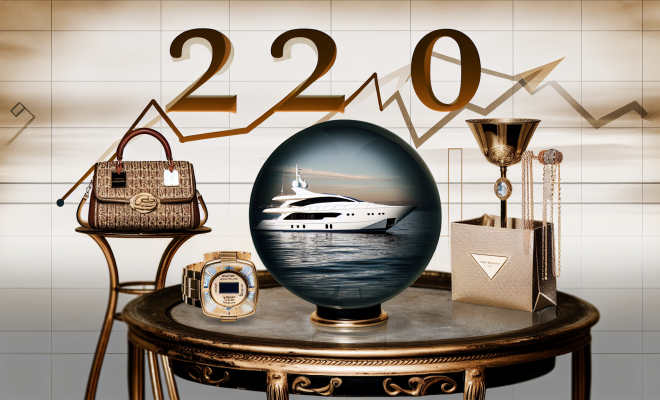
The global luxury goods market is on the cusp of a transformative shift as it prepares to enter a phase of strategic normalisation by 2026. Following a period marked by significant operational and creative recalibration, luxury brands are adapting to evolving market conditions and changing consumer behaviors. This upcoming phase is anticipated to reshape the landscape of luxury, influencing how companies devise their business strategies and creative developments.
The Current Luxury Landscape
In recent years, the luxury goods sector has experienced unparalleled disruptions due to various factors, including the pandemic, economic fluctuations, and a surge in digital commerce. As consumer preferences continue to evolve, brands have had to recalibrate their operational and creative frameworks. This recalibration has been a response to a more discerning consumer base that values sustainability, transparency, and personalization.
Understanding Strategic Normalisation
Strategic normalisation refers to the process by which luxury brands re-establish their operational norms and creative expressions after a period of upheaval. It signifies a return to a more stable environment where businesses can plan and execute their strategies with greater confidence. According to industry experts, this transition will not only stabilize the market but also redefine how luxury companies engage with their customers.
Key Drivers of Change
- Consumer Behavior: Shifts in consumer expectations are driving brands to rethink their approaches. Today’s luxury consumers are more informed and demand a deeper connection with brands.
- Sustainability: As sustainability becomes a priority for many consumers, luxury brands are expected to incorporate eco-conscious practices into their operations.
- Digital Transformation: The rise of e-commerce and digital engagement has compelled brands to innovate their online presence and consumer interactions.
Impacts on Business Strategies
As the luxury market navigates through this phase of strategic normalisation, brands are likely to adopt several key changes in their business strategies:
- Enhanced Customer Engagement: Brands will focus on creating more personalized experiences for consumers, leveraging data analytics to understand preferences and tailor offerings.
- Emphasis on Brand Storytelling: Luxury companies will increasingly utilize storytelling to communicate their brand values, heritage, and commitments to sustainability.
- Collaborative Innovations: Partnerships and collaborations will grow as brands seek to combine expertise and broaden their market reach.
Creative Development in the Luxury Sector
The creative aspect of luxury branding will also see significant evolution during this phase. Historically, luxury brands have relied heavily on traditional aesthetics and craftsmanship. However, the need for innovation is paramount to remain relevant in a competitive landscape.
The Role of Inclusivity and Diversity
In the wake of societal movements advocating for inclusivity and diversity, luxury brands are expected to broaden their creative horizons. This shift entails:
- Diverse Representation: Incorporating models and influencers from varied backgrounds to resonate with a wider audience.
- Inclusive Product Lines: Launching products that cater to diverse consumer needs and preferences.
- Community Engagement: Engaging with local communities to foster a sense of belonging and loyalty.
Challenges Ahead
While the phase of strategic normalisation presents numerous opportunities, it is not without challenges. Brands will need to navigate:
- Market Saturation: The luxury market is becoming increasingly crowded, making differentiation more challenging.
- Economic Uncertainty: Fluctuations in global economies can impact consumer spending, requiring brands to remain agile.
- Technological Advancements: Keeping pace with rapid technological changes will be crucial for brands seeking to maintain a competitive edge.
Looking Forward: The Future of Luxury
As the luxury market approaches 2026, the phase of strategic normalisation offers a unique opportunity for brands to redefine their identities and foster deeper connections with consumers. By embracing change and prioritizing innovation, luxury brands can position themselves for sustained growth and relevance in a rapidly evolving marketplace.
In conclusion, the transition into this new phase is not merely a return to normalcy. It is an invitation for luxury brands to engage in a thoughtful reevaluation of their strategies and creative expressions, ensuring they are equipped to meet the demands of the modern consumer while laying the groundwork for future success.