Amateur Astronomers Capture Historic 2026 Artemis II Mission
On April 1, 2026, NASA’s Orion spacecraft launched into the cosmos as part of the Artemis II mission, marking a significant milestone in human space exploration. This mission, which carries a crew of four astronauts, is not only a testament to decades of advancements in space technology but also represents the first human voyage around the Moon in over 50 years. What makes this mission even more remarkable is the way amateur astronomers on Earth managed to capture breathtaking images of the spacecraft speeding past stars, providing a unique perspective on this historic journey.
The Artemis II Mission: A New Era of Lunar Exploration
The Artemis II mission is a precursor to NASA’s ambitious plans for lunar exploration, aiming to establish a sustainable human presence on the Moon and pave the way for future missions to Mars. The crew consists of experienced astronauts, each bringing a wealth of knowledge and expertise to the mission, which is expected to last approximately ten days.
This mission achieves several notable milestones:
- First Human Voyage Around the Moon in 50 Years: The crew will orbit the Moon, allowing them to gather data and conduct experiments in lunar orbit.
- Record Distance Traveled: Artemis II is set to break the record for the furthest distance traveled by humans in space, pushing the boundaries of human exploration.
- Stunning Images of the Moon: As the spacecraft journeys around the Moon, the crew will capture stunning images of the lunar far side, which remains largely unexplored.
Amateur Astronomers Join the Adventure
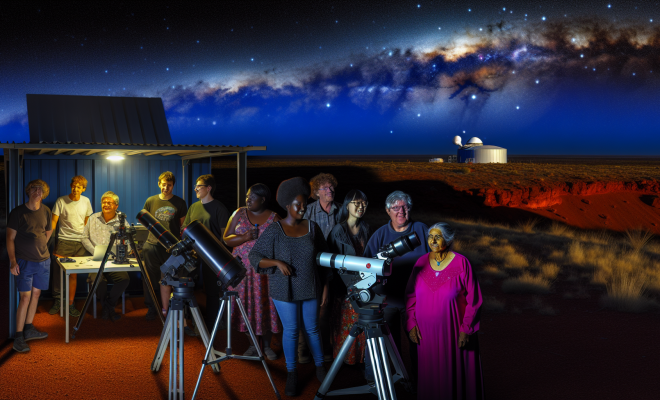
While NASA’s Orion spacecraft is equipped with advanced imaging technology, the excitement of the Artemis II mission has also inspired amateur astronomers across the globe, particularly in New Zealand and Australia. Using smart telescopes and innovative tracking systems, these enthusiasts managed to locate and photograph the spacecraft as it traveled through the night sky.
The success of these amateur astronomers highlights the democratization of astronomy, where technological advancements allow individuals to participate in high-level scientific endeavors. The images they captured not only serve as a personal achievement for these astronomers but also contribute to the collective understanding of the mission.
The Technical Aspects of Capturing Orion
To successfully photograph Artemis II, amateur astronomers utilized a combination of smart telescopes, automated tracking systems, and real-time data sharing. By following NASA’s telemetry and trajectory information, these astronomers were able to predict the spacecraft’s path, allowing them to set up their equipment in advance.
The telescopes used by these astronomers are equipped with advanced optics and imaging capabilities, enabling them to capture high-resolution images of the fast-moving Orion spacecraft. Despite the challenges of tracking an object moving at such high speeds, the results were stunning, showcasing the spacecraft against a backdrop of twinkling stars.
A Glimpse into the Future of Space Exploration
The Artemis II mission is not just a journey around the Moon; it is a stepping stone towards a more ambitious future in space exploration. As NASA prepares for the Artemis III mission, which aims to land astronauts on the lunar surface, the insights gained from Artemis II will be invaluable.
Moreover, the mission underscores the importance of collaboration between professional space agencies and the global community of amateur astronomers. The ability to capture and share observations in real-time enhances the scientific dialogue surrounding space missions and inspires a new generation of space enthusiasts.
The Impact of Social Media on Astronomy
In today’s digital age, social media plays a pivotal role in the dissemination of astronomical discoveries. Amateur astronomers shared their images and experiences on platforms like Twitter and Instagram, allowing followers worldwide to witness the historic journey of Artemis II. This online sharing fosters a sense of community among space enthusiasts and encourages more people to engage with astronomy.
Additionally, the visibility of these images can help raise awareness about ongoing space missions and the importance of scientific exploration. As the public becomes more engaged with the idea of space travel, it can lead to increased support for funding and resources directed towards future space exploration initiatives.
Conclusion: A Historic Moment in Space Exploration
The Artemis II mission represents a historic moment in space exploration, rekindling humanity’s desire to explore beyond our planet. The successful capture of the Orion spacecraft by amateur astronomers adds a unique layer to this narrative, showcasing how technology and passion can come together to create extraordinary experiences.
As we look ahead, the achievements of the Artemis II mission will undoubtedly inspire future generations to dream big and reach for the stars. The collaboration between professional space agencies and amateur astronomers not only enriches our understanding of the universe but also strengthens the bond we share as a global community united by a fascination with the cosmos.