Energy Prices Fueling U.S. Inflation After April 2026 Fed Meeting
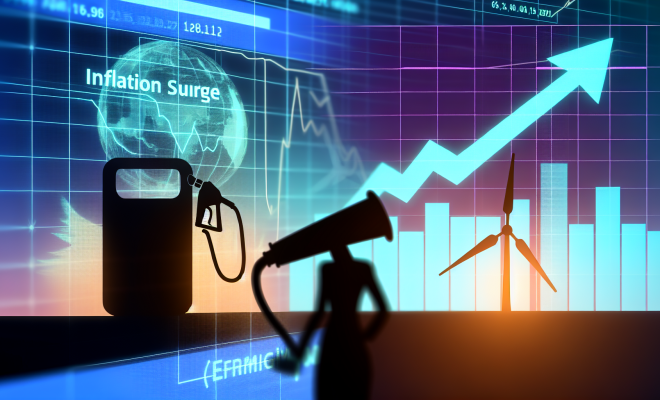
The April 2026 Federal Reserve meeting, which concluded on April 29, has drawn considerable attention from economists, market analysts, and the general public, primarily due to the serious inflationary pressures stemming from skyrocketing energy prices. As the geopolitical landscape continues to evolve, particularly with the ongoing U.S.-Israel-Iran conflict, the ramifications on energy costs have become increasingly pronounced, prompting the Fed to reassess its monetary policy strategies.
Understanding the Current Economic Landscape
In recent months, energy prices have surged to four-year highs, creating a ripple effect across various sectors of the economy. The March Consumer Price Index (CPI) data revealed a staggering 10.9% increase in the energy index, with gasoline prices spiking by 21.2%. This dramatic increase in fuel costs accounted for nearly three-quarters of the overall monthly inflation increase, highlighting the critical role energy prices play in shaping economic conditions.
The Role of Energy Prices in Inflation
The Federal Reserve’s mission to maintain price stability is being severely challenged by the rapid rise in energy costs. The increase in gasoline prices, which have exceeded $4.00 per gallon in many areas, is not merely a nuisance for consumers; it has broader implications for the economy.
- Consumer Spending: Higher energy prices typically lead to reduced disposable income for consumers as they allocate more of their budgets to fuel costs, which can dampen overall consumer spending.
- Business Costs: Companies also feel the pinch, as rising transportation costs can lead to increased prices for goods and services, thereby contributing to inflationary pressures.
- Supply Chain Disruptions: Fluctuations in energy prices can disrupt supply chains, affecting the availability and cost of products.
The Federal Reserve’s Response
As inflation continues to rise, the Federal Reserve, led by Chair Jerome Powell, faces mounting pressure to act. However, the decision to adjust the federal funds rate is complicated by the current economic climate. Given that Powell’s term is nearing its end, his decisions during this pivotal time will be scrutinized closely, both for their immediate impact and long-term consequences.
Interest Rate Decisions
During the April meeting, the Fed opted to hold the federal funds rate steady in hopes of not exacerbating the inflation situation further. This decision reflects a balancing act between curbing inflation and supporting economic growth.
- Stability vs. Growth: Maintaining the current rate aims to provide a stable economic environment, essential for growth amid rising prices.
- Inflation Targets: The Fed has set an inflation target of around 2%. However, with current inflation rates significantly above this target, the challenge becomes how to navigate the path forward without triggering a recession.
Geopolitical Influences on Energy Prices
The U.S.-Israel-Iran conflict is a significant factor contributing to the current energy price volatility. The geopolitical tensions in the Middle East often lead to uncertainty in oil supply, which can trigger price surges on the global market.
Market Reactions
Market analysts are closely monitoring the developments in this region, as any escalation of conflict could lead to further disruptions in oil supply, thereby driving prices even higher. In addition to the immediate impact on energy costs, such geopolitical events also create a sense of uncertainty that can lead to broader economic repercussions.
Consumer Impact: Rising Prices and Adjusted Lifestyles
As energy prices continue to rise, consumers are adapting their spending habits in response to sustained inflation. With gasoline prices at a premium, many households are feeling the financial strain.
- Budget Adjustments: Families are re-evaluating their budgets, cutting back on discretionary spending to accommodate higher fuel costs.
- Shift in Transportation Habits: Many consumers are opting for public transportation or consolidating trips to save on gas.
- Increased Interest in Fuel Efficiency: There is a growing interest in fuel-efficient vehicles and alternative energy sources, such as electric cars, as consumers seek ways to mitigate their fuel expenses.
Conclusion: The Road Ahead
The April 2026 Federal Reserve meeting underscored the delicate balance policymakers must maintain in an inflationary environment exacerbated by rising energy prices. With geopolitical tensions contributing to supply chain disruptions and soaring costs, the Fed’s decisions will be pivotal in shaping the economic landscape in the months ahead.
As consumers continue to grapple with the implications of these price increases, the future remains uncertain. Will the Federal Reserve adjust its monetary policy to counteract inflation, or will it choose a more cautious approach to avoid stifling growth? The answers to these questions will be critical in determining the trajectory of the U.S. economy in the coming years.