Europe’s Strategic Shift: Revitalizing Renewables and Nuclear Energy Amidst the Energy Crisis
Introduction
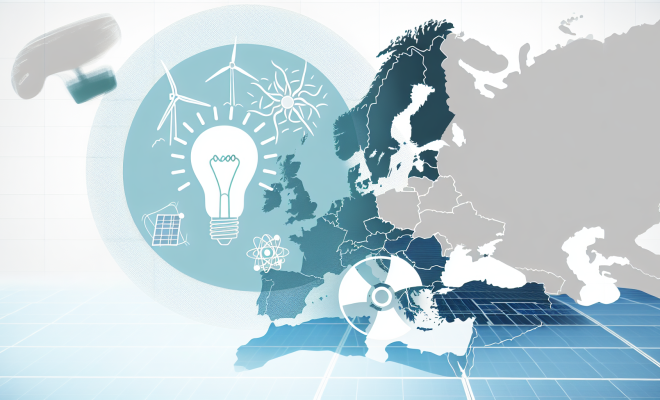
As Europe grapples with an escalating energy crisis, a significant transformation is underway in the continent’s energy policies. On April 29, 2026, reports from Euronews highlighted a renewed commitment to both renewable energy sources and nuclear power. This revival strategy emerges from the urgent need to enhance energy security and sustainability in the face of mounting challenges. This article delves into the eight pivotal developments driving Europe’s energy transformation and the broader implications for the global energy landscape.
The Energy Crisis: A Catalyst for Change
The energy crisis affecting Europe is multifaceted, stemming from geopolitical tensions, fluctuating fossil fuel prices, and the urgent need to meet climate targets. In recent years, reliance on traditional energy sources has become increasingly precarious, prompting policymakers to seek alternatives that align with long-term sustainability goals. The shift towards renewables and nuclear energy represents a strategic pivot designed to mitigate these risks while ensuring a stable energy supply.
1. Accelerating Renewable Energy Investments
One of the most significant developments in Europe’s energy revival is the acceleration of investments in renewable energy technologies. Governments across the continent are channeling substantial funds into wind, solar, and hydropower projects. This not only aims to reduce dependency on fossil fuels but also enhances energy independence.
- Wind Energy: Offshore and onshore wind farms are being expanded at an unprecedented rate, contributing to a substantial share of the energy mix.
- Solar Power: Solar panel installations are rapidly increasing, supported by government incentives and decreasing technology costs.
- Hydropower: Existing hydropower facilities are being upgraded for efficiency, while new sites are being evaluated for potential development.
These investments are expected to not only create jobs but also stimulate economic growth in regions transitioning from fossil fuel dependence.
2. Revitalizing Nuclear Energy
Nuclear energy, often viewed with skepticism, is experiencing a renaissance as nations recognize its potential to provide a stable and low-carbon energy source. The revival of nuclear power is deemed essential for achieving climate goals while ensuring a reliable energy supply.
- New Reactor Designs: Countries are investing in advanced nuclear technologies, including small modular reactors (SMRs), which promise increased safety and efficiency.
- Life Extension of Existing Plants: Many European countries are extending the operational life of current nuclear plants to maximize their contributions to the energy grid.
- Public Acceptance: Efforts are underway to engage the public and address safety concerns, highlighting the advancements in nuclear technology.
This renewed focus on nuclear energy could provide a significant boost to Europe’s energy security and sustainability efforts.
3. Policies Supporting Energy Diversification
The European Union (EU) is implementing comprehensive policies aimed at diversifying energy sources. This strategic approach is designed to reduce vulnerability to external energy supply disruptions and price volatility.
- Energy Mix Regulations: New regulations mandate a balanced energy mix that includes a significant proportion of renewables and nuclear energy.
- Subsidies and Incentives: Financial support for clean energy projects is being enhanced, making it easier for companies to invest in sustainable technologies.
- Cross-Border Energy Cooperation: Collaborative projects among EU member states are encouraged to share resources and technologies.
These policies are foundational in steering Europe towards a more resilient energy future.
4. Technological Innovations Driving the Transition
Technological advancements play a crucial role in the transition to a cleaner energy landscape. Europe is at the forefront of developing and deploying innovative technologies that enhance energy efficiency and production.
- Energy Storage Solutions: Breakthroughs in battery technology and other energy storage systems are essential for managing the intermittent nature of renewable energy sources.
- Smart Grids: The development of smart grid technologies is facilitating better energy management and integration of diverse energy sources.
- Carbon Capture and Storage (CCS): Investments in CCS technologies are helping to reduce emissions from fossil fuel use while transitioning to cleaner alternatives.
These innovations not only support the transition to renewables and nuclear but also enhance overall energy efficiency.
5. Public and Private Sector Collaboration
The revival of Europe’s energy sector is marked by a strong collaboration between public and private entities. This partnership is vital for mobilizing resources and expertise necessary for ambitious energy projects.
- Joint Ventures: Major energy companies are forming joint ventures to share risks and rewards associated with large-scale renewable and nuclear projects.
- Research and Development Funding: Both public and private sectors are investing in R&D to drive innovation and improve energy technologies.
- Stakeholder Engagement: Engaging local communities and stakeholders is crucial for gaining support and ensuring the success of energy initiatives.
This collaborative approach fosters a more integrated energy ecosystem and enhances the chances of achieving long-term energy goals.
6. Addressing Environmental Concerns
As Europe shifts towards renewables and nuclear energy, environmental sustainability remains a top priority. Policymakers are committed to ensuring that energy production methods align with climate goals and biodiversity preservation efforts.
- Impact Assessments: Comprehensive environmental impact assessments are being conducted for all new energy projects to evaluate potential ecological consequences.
- Biodiversity Strategies: Strategies are in place to protect local ecosystems during the development of wind farms, solar parks, and nuclear facilities.
- Waste Management Solutions: The nuclear sector is investing in advanced waste management technologies to address concerns over radioactive waste.
By prioritizing environmental considerations, Europe aims to ensure that its energy transition is both sustainable and responsible.
7. The Role of International Cooperation
International cooperation is essential in tackling the global energy crisis and achieving the ambitious climate targets set in various international agreements. Europe is actively engaging with other nations to foster partnerships that promote clean energy technologies.
- Global Energy Initiatives: Europe is participating in global initiatives aimed at accelerating the transition to renewable energy and nuclear power.
- Technology Transfer: Collaborative projects facilitate the transfer of technology and best practices to developing countries.
- Research Collaborations: Joint research efforts with international partners are enhancing innovation in renewable and nuclear energy solutions.
This global approach not only strengthens Europe’s energy security but also contributes to a collective response to climate change.
8. Future Outlook: A Sustainable Energy Landscape
Looking ahead, Europe’s revival of renewables and nuclear energy presents a promising path toward a sustainable energy future. The ongoing investments, policy changes, and technological innovations are expected to yield significant benefits in the coming years.
- Energy Independence: A diversified energy portfolio will enhance Europe’s energy independence and reduce reliance on imported fossil fuels.
- Job Creation: The transition to a cleaner energy landscape is projected to create millions of jobs across various sectors.
- Climate Goals: By investing in renewables and nuclear, Europe is better positioned to meet its climate targets and lead global efforts in combating climate change.
As Europe charts its course through the energy crisis, the focus on renewables and nuclear energy signifies a commitment to a resilient, sustainable, and secure energy future.
Conclusion
The energy crisis has served as a critical juncture for Europe, prompting decisive action towards revitalizing renewables and nuclear energy. The eight key developments outlined in this article illustrate a comprehensive strategy aimed at enhancing energy security while fostering sustainability. As Europe continues to navigate its energy transition, the lessons learned and initiatives implemented could serve as a model for other regions facing similar challenges. The commitment to a diverse energy future not only addresses immediate concerns but also lays the groundwork for long-term environmental and economic resilience.