Hungary’s Oil Dispute with Ukraine Escalates: Threats of Further Measures Loom
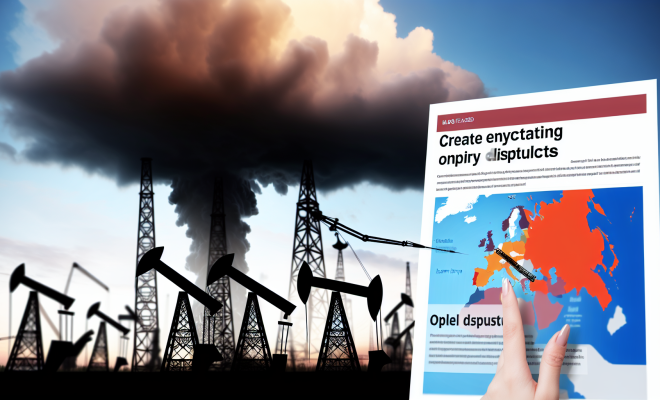
In a significant escalation of tensions, Hungary has announced its intention to implement further measures against Ukraine amid a contentious oil dispute. This development raises concerns about the stability of bilateral relations between the two nations and poses a challenge to European cohesion regarding Ukraine-related policies.
The Background of the Dispute
The oil dispute between Hungary and Ukraine centers around the pricing and supply of oil, which has become increasingly contentious in the context of Europe’s ongoing energy crisis. Hungary, reliant on oil imports, has been at odds with Ukraine over pricing structures and transportation routes. The tensions have been further exacerbated by Hungary’s broader geopolitical stance, which often diverges from that of its European Union partners.
Previous Actions and Criticism
Hungary’s government, led by Prime Minister Viktor Orbán, has faced criticism from various European leaders for its prior actions against Ukraine. These measures included restrictions on oil imports and the implementation of tariffs that have been perceived as detrimental to Ukraine’s economy. Critics argue that such actions not only undermine Ukraine’s sovereignty but also threaten the unity of the European Union in its collective response to the ongoing conflict in Ukraine.
Hungary’s Threats of Further Action
Despite the backlash, Hungary’s government has signaled that it may escalate its actions further. Orbán’s administration has stated its intent to adopt additional measures if a resolution to the oil pricing dispute is not reached promptly. This stance illustrates Hungary’s willingness to prioritize its national interests over collective EU objectives, thereby challenging the bloc’s unified front on Ukraine.
Impact on European Unity
The escalating tensions between Hungary and Ukraine highlight the fragility of European unity in the face of energy disputes. Several European leaders have expressed concern that Hungary’s unilateral actions could disrupt the coordinated policies that the EU has sought to implement regarding Ukraine. The situation poses a significant challenge, particularly as the EU navigates complex geopolitical dynamics and aims to present a united stance against external threats.
- Geopolitical Implications: Hungary’s actions may embolden other nations within the EU to prioritize their national interests at the expense of collective agreements.
- Economic Concerns: The oil dispute has broader implications for energy security in Europe, particularly in light of fluctuating oil prices and the ongoing energy crisis.
- Potential for Escalation: Continued tensions could lead to further retaliatory measures from both sides, potentially destabilizing the region.
Responses from European Leaders
The response from European leaders has been mixed. While some have publicly criticized Hungary’s stance, others have been more cautious, recognizing the delicate balance of power within the EU. Leaders from countries like Germany and France have urged Hungary to reconsider its approach, emphasizing the importance of solidarity among EU member states, especially in light of the ongoing conflict in Ukraine.
Public Opinion in Hungary
Domestically, public opinion in Hungary is divided regarding the government’s actions toward Ukraine. Some citizens support Orbán’s hardline stance, viewing it as a necessary defense of national interests. Conversely, others express concern that such measures could lead to economic repercussions for Hungary and further isolate the country within the EU.
The Broader Context of Energy Security in Europe
This dispute is set against a backdrop of broader challenges to energy security in Europe. Following the outbreak of the conflict in Ukraine, many European countries have sought to diversify their energy sources and reduce reliance on Russian oil and gas. This shift has introduced new complexities into the energy landscape, with countries like Hungary navigating a difficult path between national interests and EU commitments.
Looking Ahead
As the situation develops, the potential for further escalation remains a pressing concern. Hungary’s threats to implement additional measures against Ukraine could set a precedent for future disputes within the EU, particularly regarding energy resources. The coming weeks will be critical as both nations seek to address the underlying issues of the oil dispute while balancing their respective national interests and obligations to the EU.
In conclusion, the oil dispute between Hungary and Ukraine serves as a microcosm of the larger challenges facing Europe today. As energy security becomes increasingly central to national policies, the potential for discord within the EU grows. The resolution of this dispute will not only impact Hungary and Ukraine but also shape the future of European unity in the face of external pressures.