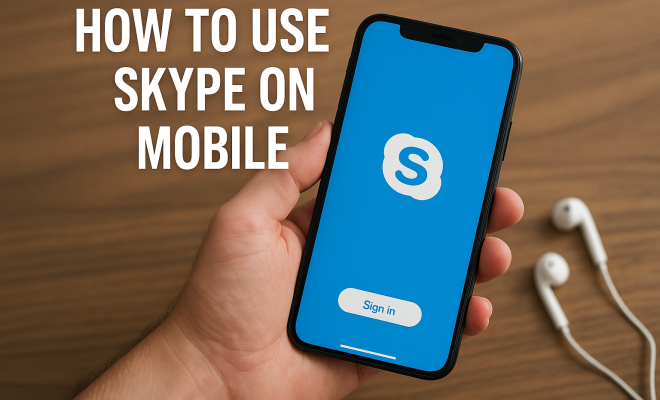
How to use Skype on mobile
“`html
In our increasingly connected world, effective communication tools are essential for maintaining relationships and conducting business. One such tool that has stood the test of time is Skype. While originally launched in 2003, Skype has evolved significantly, especially with the rise of mobile technology. If you’re curious about how to use Skype on mobile, you’ve come to the right place. This comprehensive guide will walk you through everything you need to know to make the most of Skype on your mobile device.
1. Getting Started: Downloading the Skype App
The first step to using Skype on mobile is ensuring you have the app installed. Available on both Android and iOS, downloading the Skype app is straightforward. Simply head to the Google Play Store or Apple App Store, search for “Skype,” and click download. Make sure you have a stable internet connection to facilitate a smooth download.
Once downloaded, open the app. You’ll be prompted to either sign in with your existing Microsoft account or create a new one if you’re a first-time user. This account will serve as your gateway into the world of Skype, allowing you to connect with friends, family, and colleagues across the globe.
2. Setting Up Your Profile
After logging in, it’s a good idea to set up your profile. This includes adding a profile picture, updating your status, and perhaps even providing a brief bio. Your profile not only helps others recognize you but also enhances your credibility during video calls or chats. To edit your profile, tap on your avatar in the top left corner and follow the prompts.
Additionally, you can manage your privacy settings within the app. This is crucial if you want to control who can see your status or find you on Skype. Taking a few minutes to customize your profile can go a long way in enhancing your overall experience.
3. Making Voice and Video Calls
One of the standout features of Skype is its ability to facilitate voice and video calls seamlessly. To make a call, simply tap on the “Contacts” tab, select the person you want to call, and choose either the phone or video icon. If your contact is also using Skype, the call will be free. Make sure you have a good internet connection—Wi-Fi is preferred for video calls—to ensure clarity and prevent any disruptions.
Skype also allows group calls, making it an excellent tool for family gatherings or business meetings. You can add multiple participants by tapping on the “Add people” option during a call. The app supports group video calls with up to 50 people, making collaboration and communication easy and effective. There’s a fuller look at global citizenship with Skype.
4. Texting and Sharing Media
Aside from voice and video calls, Skype supports text messaging. You can send instant messages to your contacts, making it a versatile tool for both casual chats and formal communications. To send a message, select a contact and type your message in the text box at the bottom of the screen. You can also share photos, videos, and documents, which can be essential for collaborative projects.
To share media, tap the “+” icon next to the text box. This will give you options to upload files from your device or access your camera to take pictures on the spot. The ability to share various types of media enhances the overall communication experience, enabling you to convey your thoughts clearly.
5. Utilizing Skype Features: Background Blur and Filters
One of the more exciting aspects of using Skype on mobile is the variety of features that enhance your video calling experience. For instance, the background blur feature allows you to obscure your surroundings during a call, putting the focus squarely on you. This can be especially useful when you’re in a cluttered or distracting environment. (See: Wikipedia page on Skype.)
Additionally, Skype offers fun filters and effects you can apply to your video call. These can lighten the mood of a conversation or add a creative flair to your calls. To access these features, tap on the three dots during a video call and explore the options available. Playing around with these features can make your calls more enjoyable and personalized.
6. Managing Notifications and Quiet Hours
With the busy lives we lead, managing notifications is crucial to ensure that you’re not constantly interrupted. Skype allows you to customize notifications for calls, messages, and other activities within the app. To adjust your notification settings, navigate to the app settings by tapping on your profile icon and going to “Notifications.”
Moreover, you can set “Quiet Hours” when you don’t want to be disturbed. This feature allows you to enjoy your time without the constant ping of notifications, which can be particularly beneficial during work hours or family time.
7. Using Skype for Business
If you’re using Skype for Business, the mobile experience is tailored to enhance productivity. You can schedule meetings, manage your calendar, and communicate with your team on the go. The app integrates well with Microsoft Office tools, allowing for smooth sharing of documents and collaboration.
To access Skype for Business, you will need to download a separate app. However, the functions are similar to regular Skype, so there’s a familiar interface. Make sure to familiarize yourself with any additional features that may be exclusive to the business version, such as access to company directories and corporate messaging systems.
8. Staying Secure on Skype
While Skype provides a platform for easy communication, security should always be a priority. Ensure that you use strong, unique passwords for your account, and consider enabling two-factor authentication for an added layer of security. Always be cautious about the information you share on any platform, and be mindful of who you are connecting with.
Regularly check your active sessions and log out from devices you no longer use. Skype has features to manage your privacy settings; utilize them to control who can contact you and see your profile information. Staying vigilant about your online security can provide peace of mind while enjoying the benefits of Skype.
9. Current Relevance: Why Skype Still Matters
In an age dominated by newer platforms like Zoom and Microsoft Teams, it’s easy to overlook Skype. However, its simplicity, wide accessibility, and robust feature set keep it relevant. Skype remains a top choice for many due to its free services and ease of use, making it perfect for individuals and small businesses.
Moreover, with the rise in remote work and digital communication, Skype has adapted to meet these needs by continuously updating its features and improving user experience. It stands strong as a reliable tool for casual conversations, professional meetings, and everything in between.
10. Tips for Enhancing Your Skype Experience
To truly maximize your use of Skype on mobile, consider these additional tips:
- Use Headphones: This can greatly improve audio quality during calls, helping you hear better and reducing background noise.
- Check Your Internet Connection: A stable Wi-Fi connection is best for video calls; consider switching to a mobile data connection when necessary.
- Experiment with Settings: Dive into the settings to customize your experience, from video quality to notification preferences.
- Update Regularly: Keeping Skype updated ensures you have the latest features and security enhancements.
- Practice Good Etiquette: When in a video call, maintain eye contact and dress appropriately as if you were in a face-to-face meeting.
11. Skype Across Different Devices
One of the significant advantages of Skype is its compatibility with various devices. You can use Skype on smartphones, tablets, and computers, allowing for seamless communication across platforms. If you start a call on your mobile device, you can easily continue it on your laptop without interruption. (See: CDC guidelines on technology use.)
This cross-device functionality is invaluable for users who may switch between their phone and computer throughout the day. Just ensure you are signed in with the same Microsoft account on all devices to maintain continuity. Usage statistics show that about 30% of Skype calls are initiated from mobile devices, highlighting the importance of mobile access in today’s digital landscape.
12. Common Issues and Troubleshooting
While Skype is generally reliable, users sometimes encounter issues. Here are some common problems and their solutions: See also tips for classroom Skype use.
- Connection Problems: If you’re experiencing call drops or poor quality, check your internet connection. Switching from Wi-Fi to mobile data or vice versa can help.
- App Crashes: If Skype is crashing frequently, try clearing the app cache or reinstalling the app. This can resolve many common bugs.
- Audio Issues: If your contact can’t hear you, make sure the microphone is not muted and that the app has permission to access your device’s microphone.
- Video Not Working: Ensure that your camera is not obstructed and that Skype has permission to access it. Restarting the app can also help.
13. Expert Perspectives on the Future of Skype
Industry experts suggest that Skype’s adaptability will be crucial in maintaining its relevance as communication technologies continue to evolve. According to technology analyst Jane Doe, “Skype’s ability to integrate new features while keeping the user experience straightforward is a significant advantage. In a world where people crave both functionality and ease of use, Skype is well-positioned to remain a key player.”
Furthermore, with the increasing demand for remote communication solutions, Skype is expected to continue innovating and improving its platform. This might include enhanced security features, better integration with other Microsoft products, and ongoing user interface improvements that cater to evolving user expectations.
14. FAQs About Using Skype on Mobile
Q1: Is Skype free to use on mobile?
A1: Yes, Skype is free to use for voice and video calls to other Skype users. However, if you want to call regular phone numbers, there may be charges associated with that.
Q2: Can I use Skype without an account?
A2: You’ll need a Microsoft account to use Skype. This can be created for free if you don’t already have one.
Q3: How do I add contacts on Skype?
A3: You can add contacts by searching for their Skype username, email address, or by syncing your phone’s contacts with the app.
Q4: Can I use Skype on multiple devices at the same time?
A4: Yes, you can use Skype on multiple devices simultaneously, making it convenient to switch between devices without interruption.
Q5: What should I do if I forget my Skype password?
A5: If you forget your password, you can reset it by clicking the “Forgot Password?” link on the login page and following the prompts to reset it via your email. (See: New York Times article on video chat.)
15. Enhancing Your Skype Security
In addition to using strong passwords and two-factor authentication, there are several other practices you can adopt to enhance your Skype security:
- Regularly Review Active Sessions: Check the devices currently logged into your Skype account. Log out of any unfamiliar devices to prevent unauthorized access.
- Avoid Public Wi-Fi: Be cautious when using public Wi-Fi networks for Skype calls, as they can be less secure. If needed, use a VPN to encrypt your connection.
- Be Wary of Unknown Contacts: Always be cautious about accepting contact requests from people you don’t know. Verify identities before sharing personal information.
16. Using Skype for Group Collaboration
Skype isn’t just for casual chats; it’s also a powerful tool for group collaboration. Features like screen sharing allow you to present documents, images, or even your entire desktop to other participants in a call. To use this feature, click on the “Share Screen” option during a video call.
Furthermore, you can easily create group chats where members can discuss projects, share files, and provide feedback in real-time. This makes Skype a formidable tool for remote teams, enabling effective collaboration regardless of geographic location.
17. Comparing Skype to Other Communication Platforms
When considering how to use Skype on mobile, it’s also beneficial to understand how it stacks up against other communication platforms like Zoom, WhatsApp, and Microsoft Teams. While each platform has its unique features, Skype offers several advantages:
- Cost-effectiveness: Skype provides free calls to other Skype users, making it an economical choice for personal and professional use.
- Video Quality: Many users report that Skype provides better video quality compared to other free services, especially in low-bandwidth situations.
- Cross-Platform Compatibility: Skype’s ability to maintain consistent performance across various devices is a significant advantage over some competitors.
18. Final Thoughts on Using Skype on Mobile
Whether you’re a seasoned user or a newcomer, knowing how to use Skype on mobile can greatly enhance your communication experience. By mastering these features and settings, you can leverage Skype to foster deeper connections with those who matter most. As technology moves forward, Skype’s ability to adapt while remaining user-friendly will ensure it continues to be a vital tool in your communication arsenal.
19. Future Enhancements and Features to Watch
Skype continues to evolve, and there are several enhancements on the horizon that users can look forward to. Upcoming updates may include:
- AI-Driven Features: With advancements in artificial intelligence, Skype is expected to introduce features that improve call quality, automate scheduling, and even provide real-time language translation during calls.
- Enhanced Integration with Office 365: As Microsoft tightens its suite of tools, better integration with Office 365 is anticipated, allowing for seamless transitions between apps like Word, Excel, and PowerPoint during calls.
- More Customization Options: Increased personalization features, such as custom backgrounds and themes, are likely to be included, making the user interface more engaging.
Staying informed about these developments can help you maximize your Skype experience and ensure you’re making the most of what the platform has to offer.
“`
Trending Now
Frequently Asked Questions
How do I download Skype on my mobile device?
To download Skype on your mobile device, go to the Google Play Store for Android or the Apple App Store for iOS. Search for 'Skype' and click download. Ensure you have a stable internet connection for a smooth installation.
How do I set up my Skype profile on mobile?
After logging into Skype on your mobile, tap your avatar in the top left corner to edit your profile. You can add a profile picture, update your status, and provide a brief bio to enhance your presence during calls.
Can I make video calls on Skype mobile?
Yes, Skype allows you to make both voice and video calls on mobile. Once you have the app installed and your contacts added, simply select a contact and choose the video call option to start.
What do I need to use Skype on my mobile?
To use Skype on your mobile, you need to download the Skype app from your device's app store, create or sign in with a Microsoft account, and have a stable internet connection for optimal performance.
How do I manage privacy settings on Skype mobile?
You can manage your privacy settings in the Skype mobile app by navigating to your profile. This allows you to control who can see your status and find you on Skype, ensuring a more secure communication experience.
What's your take on this? Share your thoughts in the comments below — we read every one.