How to use grid lines for better composition
“`html
When it comes to photography and design, composition is key to creating visually appealing images. One of the most effective tools to achieve this is the use of grid lines. Understanding how to use grid lines in your composition can elevate your work, helping to organize your subject and guide the viewer’s eye. Let’s explore the significance of grid lines composition and uncover nine essential secrets to mastering this technique.
1. Understanding Grid Lines Composition
Grid lines composition is rooted in the principles of visual balance and harmony. A grid is essentially a framework that divides an image into sections, providing a guide for placement and alignment. Traditionally, it consists of horizontal and vertical lines that intersect, forming squares or rectangles. By employing this method, photographers and designers can create a structured layout that enhances the overall aesthetic of their images.
Grid lines help in emphasizing key elements in the frame, ensuring that the composition is not only appealing but also effective in conveying the intended message. This technique is widely utilized in various fields, including photography, graphic design, and even web design. Understanding these foundational concepts allows creators to engage viewers more effectively.
2. The Rule of Thirds
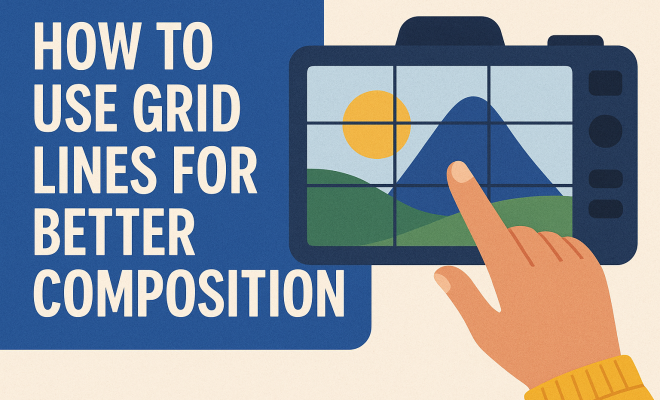
One of the most famous strategies involving grid lines is the Rule of Thirds. This guideline suggests that you divide your image into nine equal parts by overlaying two horizontal lines and two vertical lines. The idea is to place your subject along these lines or at their intersections, known as “power points.” By doing so, you create a balanced composition that draws the viewer’s eye to focal points naturally.
For instance, consider a landscape photograph. Positioning the horizon along one of the horizontal lines while placing a prominent tree or building at the intersection can create a more dynamic image. This technique leads to a sense of flow and movement, as the viewer’s gaze travels naturally across the frame. By adhering to the Rule of Thirds, you can instantly transform a mundane shot into a captivating piece of art.
3. Leading Lines and Diagonal Grids
Incorporating leading lines into your grid lines composition can significantly enhance depth and perspective in your images. Leading lines are pathways that guide the viewer’s eye towards the main subject. They can be roads, rivers, or even architectural features. When combined with diagonal grids, these lines create a sense of movement and direction.
Using diagonal grids allows photographers to break free from traditional horizontal and vertical lines. By aligning subjects along these diagonal lines, you can evoke a feeling of dynamism and energy within the frame. For example, if you shoot a train traveling along a track, positioning it along a diagonal grid can give a sense of speed, enhancing the storytelling element of your image.
4. Symmetry and Asymmetry in Grid Lines
Grid lines composition also provides a framework for exploring both symmetry and asymmetry. Symmetrical compositions offer a sense of order and stability, while asymmetrical arrangements can create tension and interest. By strategically using grid lines, you can balance these two approaches in your work.
For example, in architectural photography, capturing a building with symmetrical lines can draw attention to its design. Conversely, if you want to highlight the uniqueness of a structure, you can use asymmetry to create a more intriguing composition. By placing the subject off-center while utilizing grid lines, you can evoke curiosity and engage viewers more effectively.
5. Creating Depth with Overlapping Elements
Another critical aspect of grid lines composition is the ability to create depth through overlapping elements. By layering subjects within the grid, you can achieve a three-dimensional quality in your images. This technique adds interest and complexity, ensuring that the viewer’s gaze moves through the frame rather than settling on a single point.
Consider a photograph of a bustling market scene. By employing grid lines to organize various layers of activity—vendors, shoppers, and goods—you can create a more immersive experience. This approach encourages viewers to explore the different elements within the composition, making your image more engaging and thought-provoking. (See: Rule of Thirds explanation on Wikipedia.)
6. Utilizing Negative Space
Negative space is another powerful tool in grid lines composition. This refers to the area surrounding the main subject, which can enhance the overall impact of the image. By effectively utilizing negative space, you can create a sense of balance and draw focus to your subject.
Grid lines can help in identifying areas of negative space that complement your subject. For instance, in a portrait, positioning the subject off to one side while allowing for ample empty space on the opposite side can create a striking visual effect. This not only emphasizes the subject but also adds to the overall narrative of the photograph.
7. Experimenting with Color Grids
Color can play a vital role in grid lines composition, and experimenting with color grids can elevate your images. By using the grid to analyze color balance and harmony, you can create visually striking compositions. This technique involves dividing your image into sections based on color distribution, ensuring that your palette is both harmonious and engaging.
For example, if you’re photographing a vibrant sunset, consider how the colors interact within the grid. Positioning warmer hues along specific lines while balancing cooler tones can enhance the emotional impact of the photograph. By mindfully employing color grids, you can transform a simple image into a powerful visual statement.
8. Incorporating Textures and Patterns
Textures and patterns can add depth and interest to your grid lines composition. By using the grid to identify and highlight these elements, you can create a more engaging image. Textures can be anything from the rough bark of a tree to the smooth surface of water, while patterns may emerge in architecture or natural formations.
For instance, a close-up shot of a leaf can emphasize its texture, while positioning it within a grid can draw attention to the intricate details. Similarly, capturing a patterned facade of a building can add a layer of complexity to your photograph. By combining textures and patterns with grid lines, you can create a rich visual tapestry that captivates viewers.
9. Practical Tips for Applying Grid Lines Composition
To effectively integrate grid lines into your work, consider some practical tips. First, familiarize yourself with the grid overlay options available in many cameras and editing software. This feature allows you to visualize how your composition will look before snapping the shot.
Next, practice using grid lines in various settings, from landscapes to portraits. Experiment with different angles, distances, and lighting conditions. Over time, you’ll develop an intuitive understanding of how to use grid lines composition to enhance your images. Lastly, always remember to step back and analyze your work. Reflect on your use of grid lines and how they’ve influenced the composition, allowing for continuous improvement and growth in your craft.
10. Advanced Grid Line Techniques
Once you’re comfortable with the basics of grid lines composition, you might want to explore advanced techniques that can further enhance your work. One approach is the Golden Ratio, a mathematical ratio that’s often found in nature and art. By overlaying a Fibonacci spiral on your image, you can create a more organic and dynamic composition than the standard grid lines allow. This ratio can add a natural flow to your images, making them more visually appealing.
Another technique is creating custom grids. Depending on your subject matter, you can design grids that are more suited to your specific needs. For instance, in product photography, you might create a grid that focuses on symmetry, while in street photography, an asymmetrical grid could better capture the chaos of urban life.
Additionally, the concept of ‘Grid Lock’ can be explored where you intentionally disrupt the grid lines to create a sense of tension or disarray. This technique can be particularly effective in abstract photography or when you want to convey a sense of urgency or unease in your image.
11. Grid Lines in Digital Design
The application of grid lines is not limited to photography; they play a vital role in digital design as well. In creating websites, apps, or any digital content, grid systems help in maintaining consistency in layout and alignment. Designers often use a 12-column grid system to ensure that elements are evenly spaced and aligned, which enhances usability and aesthetics.
For example, a well-structured grid layout can guide users through a website, leading them from one section to another in a natural and intuitive way. This not only improves the user experience but also ensures that the most important content stands out. The use of grid lines in digital design can provide clarity, making it easier for users to engage with the content. (See: Research on visual composition techniques.)
12. Statistics and Expert Perspectives
Several studies indicate that images employing grid lines composition techniques tend to garner more engagement than those that do not. For instance, research conducted by the Nielsen Norman Group found that website layouts using grid systems resulted in a 30% increase in user retention. This statistic underlines the importance of composition in both photography and digital design.
Expert photographers and designers often emphasize the significance of grid lines in achieving visually appealing compositions. Renowned photographer David duChemin states, “Composition is a language that speaks before the words do, and grid lines are its grammar.” This perspective reflects the essential role of grid lines in not just organizing elements but in conveying emotions and stories through visual mediums.
13. FAQs about Grid Lines Composition
What are grid lines in photography?
Grid lines are visual guides that help photographers compose their images by dividing the frame into sections. They assist in aligning subjects and elements for a more balanced and aesthetically pleasing composition.
How do I enable grid lines on my camera?
Most cameras have a grid display option in their settings menu. Look for “grid display,” “composition grid,” or something similar in your camera’s settings. Once enabled, you’ll see the grid lines overlaid on your viewfinder or display screen.
Can I use grid lines in editing software?
Absolutely! Many editing programs, like Adobe Photoshop or Lightroom, have an option to overlay grid lines for better composition adjustments. You can toggle these on and off as you work to refine your images.
Are grid lines only useful for photography?
No, grid lines are beneficial in various fields, including graphic design, web design, and even painting. They help maintain alignment and balance across different mediums, ensuring a cohesive and polished final product.
What should I avoid when using grid lines in composition?
One common mistake is becoming overly reliant on grid lines, which can lead to stiff or overly structured images. It’s important to use them as a guide rather than a strict rule. Flexibility in your composition can often lead to more creative and dynamic results.
14. Grid Lines and the Psychology of Composition
Understanding the psychological effects of composition can be a game changer for photographers and designers alike. Grid lines not only help in structuring an image but also influence how viewers perceive and interact with it. For example, images that adhere to the Rule of Thirds are often perceived as more balanced and engaging, allowing viewers to connect emotionally with the content.
Research in visual perception suggests that viewers tend to explore images along grid lines naturally. This means that by strategically placing elements within these lines, you can guide their gaze and enhance their emotional response. This psychological aspect is why grid lines composition is so widely embraced in both photography and design, as it aligns with human instinct on how we view and interpret visual information.
15. Comparison of Different Grids
While the Rule of Thirds is the most commonly discussed grid, several other grids can be utilized depending on your artistic vision. The Golden Triangle is one alternative, dividing the frame into four triangles by drawing diagonal lines from the corners to the opposite edges. This can create dynamic tension and is particularly effective in landscape photography. (See: Harvard University resources on design principles.)
Another variation is the Diagonal Grid, which incorporates diagonal lines to create more dynamic compositions. This method is effective in action photography, such as sports, where you want to convey movement and energy. Each type of grid offers different advantages, and experimenting with them can lead to more innovative compositions.
16. Grid Lines in Art and Illustration
The influence of grid lines extends into the realm of art and illustration as well. Many classical artists utilized grids to achieve precise proportions in their works. This technique can be adapted to modern digital illustrations, helping artists maintain symmetry and balance in their creations.
For instance, graphic designers often use grids when creating layouts for posters or print media. These grids can guide the placement of text, images, and other elements, ensuring a harmonious balance throughout the piece. Whether it’s in a painting, a digital illustration, or a print design, grid lines can serve as a powerful tool for artists to maintain visual consistency.
17. Practical Applications of Grid Lines Composition
Understanding grid lines composition can elevate your work across different platforms. In product photography, for instance, utilizing grid lines can help in showcasing products effectively, ensuring that key features are highlighted clearly and creatively. Many e-commerce sites rely on well-composed product images to boost sales, demonstrating the practical implications of this technique.
In social media, grid lines composition can make your posts more visually appealing, which can lead to increased engagement from followers. Maintaining a consistent grid layout on platforms like Instagram can create a cohesive brand identity, making it easier for new users to understand your aesthetic at a glance. This attention to composition is not just about beauty; it’s about creating a narrative that resonates with your audience.
18. Future Trends in Grid Lines Composition
As technology advances, so does the way we approach composition. With the rise of AI in photography and design, grid lines may evolve into new forms of visual guides tailored for various platforms and devices. For instance, augmented reality could introduce interactive grid systems that adjust based on viewer perspective or movement, providing a more dynamic way for users to engage with visual content.
Additionally, as more artists embrace digital tools, we might see an increase in the customization of grid systems to suit individual styles. This could lead to innovative approaches in both photography and graphic design, allowing creators to push the boundaries of traditional grid lines composition.
Incorporating grid lines in your composition can be transformative. By understanding and utilizing these principles, you can elevate your photography and design, creating images that are not only visually appealing but also impactful.
“`
Trending Now
Frequently Asked Questions
What are grid lines in photography?
Grid lines in photography are a framework that divides an image into sections using horizontal and vertical lines. They serve as a guide for placement and alignment, helping photographers create a structured layout that enhances visual appeal and effectively conveys the intended message.
How do I use the Rule of Thirds in my composition?
To use the Rule of Thirds, divide your image into nine equal parts with two horizontal and two vertical lines. Place key subjects along these lines or at their intersections, known as 'power points', to create a balanced and dynamic composition that naturally draws the viewer's eye.
Why is composition important in photography?
Composition is crucial in photography because it determines how elements within a frame are arranged. A well-composed image captures attention, conveys messages effectively, and enhances aesthetic appeal, making it more engaging for viewers.
What are the benefits of using grid lines in design?
Using grid lines in design improves visual balance and harmony by providing a structured framework for layout. They help in organizing elements, ensuring alignment, and emphasizing key components, ultimately leading to more effective and aesthetically pleasing designs.
How can grid lines improve my photography skills?
Grid lines can enhance your photography skills by guiding you in composition techniques like the Rule of Thirds. They help you organize subjects within the frame, create better visual flow, and draw attention to focal points, resulting in more compelling images.
What did we miss? Let us know in the comments and join the conversation.