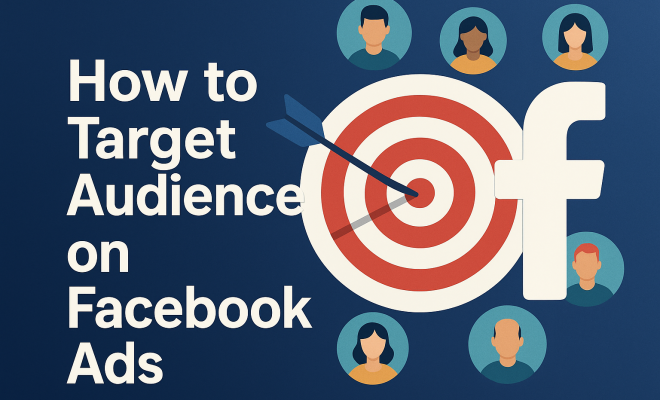
How to target audience on Facebook ads
“`html
When it comes to digital marketing, few platforms offer the potential that Facebook Ads does. With over 2.9 billion monthly active users, targeting the right audience on Facebook ads can be a game-changer for businesses. But how do you effectively pinpoint this audience to maximize your advertising budget? Here, we’ll explore nine essential strategies to help you master the art of targeting your audience on Facebook ads.
1. Understanding Facebook’s Audience Insights
Before you even start creating your first ad, it’s crucial to familiarize yourself with Facebook’s Audience Insights tool. This invaluable resource allows you to analyze your existing audience and potential demographics. You can access detailed information about your audience’s age, gender, location, interests, and behaviors.
By diving into these insights, you can shape your strategy based on concrete data rather than assumptions. For instance, if you find that your audience is predominantly female and aged between 25 and 34, you might consider tailoring your ads to appeal more directly to this demographic. The more you know about your audience, the better you can craft compelling messages that resonate with them.
2. Defining Your Target Audience
The foundation of any successful Facebook ad campaign is a clearly defined target audience. Start by creating a customer persona that encapsulates your ideal customer. This should include demographics such as age, gender, location, and interests as well as psychographics—values, attitudes, and lifestyle choices.
Moreover, think about the problems your product or service solves for this persona. What pain points do they have? How can your offering make their lives better? Having clarity on these aspects will help you produce more tailored ads that speak directly to potential customers, thereby increasing engagement and conversion rates.
3. Utilizing Custom Audiences
Facebook’s Custom Audiences feature is a powerful tool that allows you to target users based on existing relationships with your brand. This could include people who have visited your website, engaged with your content on Facebook, or even opened your emails.
By creating a Custom Audience, you can reach out to users who already have some familiarity with your brand, making them more likely to convert. For example, if someone has visited your product page but didn’t make a purchase, a targeted ad reminding them of the product might nudge them toward buying it. This strategy increases your return on ad spend by focusing on prospects who are already in your sales funnel.
4. Leveraging Lookalike Audiences
Once you have a solid base of Custom Audiences, you can take it a step further with Lookalike Audiences. This feature enables you to reach new people who share similar characteristics with your existing customers.
To create a Lookalike Audience, you upload a list of your best customers, and Facebook’s algorithm analyzes these profiles to find common traits. The result? A targeted audience that’s more likely to respond positively to your ads. For instance, if your highest-paying customers tend to be tech-savvy young professionals, you can craft ads that emphasize high-tech features, knowing they’ll appeal to similar new prospects.
5. Segmenting Your Audience
Segmentation allows you to cater your ads to specific groups based on various criteria such as behaviors, interests, or demographics. By segmenting your audience, you can ensure that your ad content is relevant to each subgroup.
For example, a fitness brand might want to segment their audience into categories like “beginners,” “intermediate,” and “advanced fitness enthusiasts.” Each group would receive tailored messaging and product offerings suited to their specific fitness journey. This targeted approach can significantly enhance the effectiveness of your ads, resulting in higher engagement rates.
6. A/B Testing Your Ads
A/B testing, or split testing, is an essential practice in advertising that allows you to compare two different versions of an ad to see which one performs better. This method enables you to experiment with various elements such as headlines, images, call-to-action buttons, and audience segments. (See: Facebook Ads overview on Wikipedia.)
By running A/B tests, you gather valuable data on what resonates with your target audience. For example, you might find that a certain image generates more clicks than another, or that a specific call-to-action phrase leads to more conversions. Continuous testing not only optimizes your ad performance but also helps you understand your audience better, ensuring that you evolve your strategies based on real feedback.
7. Ad Placement Strategies
Choosing the right ad placement is just as critical as targeting the right audience. Facebook allows you to choose where your ads will appear—on the news feed, in stories, on Instagram, or even in the Audience Network. Each placement has its own advantages and can significantly impact performance.
For instance, if your visual content is particularly strong, you may find that ads in stories lead to higher engagement. Conversely, if your target audience primarily uses Instagram, prioritizing that platform could yield better results. Researching and analyzing placement performance will help you allocate your budget more effectively and reach your audience where they are most active.
8. Retargeting Campaigns
Retargeting is a powerful way to remind users of your brand after they’ve shown interest. It involves serving ads to people who have previously interacted with your website or content but didn’t convert. Retargeting can help keep your brand top-of-mind and encourage users to return and complete a purchase.
For example, if a user browsed your online store but left without buying, a retargeting ad showcasing the exact item they viewed can reignite their interest. This approach leverages the psychological principle of familiarity, increasing the likelihood of conversion by reminding potential customers of their initial interest.
9. Monitoring and Analyzing Ad Performance
Finally, it’s essential to constantly monitor and analyze the performance of your Facebook ads. Utilize Facebook’s Ads Manager to track key performance indicators (KPIs) such as click-through rates (CTR), conversion rates, and return on ad spend (ROAS).
By regularly reviewing these metrics, you can identify trends and adjust your targeting strategies accordingly. For instance, if you notice that a specific demographic is engaging more with your ads, consider reallocating your budget to focus on that audience. Staying agile and responsive to data insights will allow you to refine your approach continuously and achieve better results over time.
10. The Importance of Audience Research
Before launching your Facebook ad campaign, investing time in audience research is invaluable. Research not only helps you understand your current customers but also reveals potential markets you may have overlooked. Tools like Facebook Audience Insights and Google Analytics can provide deeper insights into who your customers are and what they are looking for.
Studies show that businesses that conduct thorough audience research can increase their ad performance by as much as 30%. Understanding behaviors and preferences enables you to create relevant ad content that resonates with your target audience. This could involve surveys, interviews, or even analyzing competitors’ audiences. Each bit of data helps build a clearer picture of who should be at the center of your advertising efforts.
11. Integrating User-Generated Content
User-generated content (UGC) can significantly enhance your Facebook ad campaigns. UGC includes any content, such as photos, videos, and reviews, created by customers. Integrating this type of content into your ads can foster authenticity, making your brand appear more relatable and trustworthy.
For example, if you’re a clothing brand, consider featuring customer photos in your ads rather than just professional images. This can lead to increased engagement, as potential customers might find UGC more trustworthy, translating into better conversion rates. Research indicates that ads featuring UGC can lead to a 4.5% higher click-through rate compared to traditional ads. Encourage your customers to share their experiences with your products, and use those testimonials to create compelling ads.
12. Using Dynamic Ads for E-Commerce
If you’re in e-commerce, dynamic ads are a game-changer. These ads allow you to automatically promote your products to the right audience based on their behavior. If someone has viewed specific products on your website, dynamic ads can display those exact items in their Facebook feed.
This level of personalization can significantly increase your chances of conversion. According to Facebook, retailers using dynamic ads see a significant boost in sales, with some reporting up to a 30% increase. The ability to retarget customers with personalized product offerings ensures that your ads remain relevant and engaging.
13. Understanding Ad Relevance Diagnostics
Facebook provides an Ad Relevance Diagnostics tool to help you gauge how your ads are performing with your target audience. This tool evaluates your ad based on three key metrics: Quality Ranking, Engagement Rate Ranking, and Conversion Rate Ranking. Understanding these metrics can guide you in refining your ad strategy. (See: CDC on effective health communication.)
For instance, if your Quality Ranking is low, it might indicate that your ad content isn’t resonating well with your audience. You may need to revisit your messaging or visuals. Conversely, a high Engagement Rate Ranking suggests that users are interacting positively with your content, signaling that you’re on the right track. Keeping these diagnostics in mind allows you to make data-driven decisions that enhance your ad performance.
14. Ad Copy Best Practices
The words you choose in your Facebook ads can significantly impact their effectiveness. Strong ad copy should be clear, concise, and compelling. Start with a hook that grabs attention, followed by the value proposition that explains what makes your offer unique. Don’t forget to incorporate a strong call-to-action (CTA) that tells your audience exactly what to do next.
For example, instead of saying “Check out our new products,” try “Transform your look today with our exclusive spring collection—shop now!” This kind of language is more persuasive and encourages immediate action. Additionally, consider using emojis and questions to make your ad more eye-catching and engaging. Testing different variations can help you find the most effective copy for your audience.
15. Common Mistakes to Avoid
As you embark on your Facebook ad journey, it’s important to be aware of common pitfalls that can derail your efforts. One of the biggest mistakes is targeting too broadly. While it may seem tempting to reach as many people as possible, focusing on a narrower audience often leads to better results.
Another mistake is neglecting mobile users. With a significant portion of Facebook traffic coming from mobile devices, ensuring your ads are optimized for mobile viewing is crucial. Additionally, failing to monitor and adjust your ad performance regularly can lead to wasted spend. Set up regular check-ins to analyze your metrics and make necessary adjustments. Avoiding these common errors will set you on the path to a more successful advertising campaign.
16. Frequently Asked Questions (FAQ)
What is the importance of defining a target audience for Facebook ads?
Defining your target audience is crucial for ensuring your ads reach the right people. A well-defined audience leads to higher engagement rates, better conversion rates, and ultimately, a greater return on investment (ROI).
How can I find my audience on Facebook?
You can find your audience on Facebook by using Audience Insights, conducting surveys, analyzing your existing customer data, and researching competitors. These tools and strategies will help you gather valuable information about your potential customers.
What is the difference between Custom Audiences and Lookalike Audiences?
Custom Audiences allow you to target users who have already interacted with your brand, while Lookalike Audiences help you find new customers who share similarities with your existing audience. Both strategies complement each other in expanding your reach effectively.
How often should I monitor my Facebook ad performance?
It’s a good practice to monitor your ad performance at least weekly. This regular check-in allows you to spot trends, identify underperforming ads, and adjust your strategy as needed to maximize your ad spend.
Can I run ads targeting multiple demographics at once?
Yes, you can target multiple demographics in a single ad campaign. Facebook’s ad manager allows you to create detailed targeting options that enable you to reach various segments within your broader audience.
How do I know if my ad copy is effective?
You can gauge the effectiveness of your ad copy by analyzing metrics such as click-through rates (CTR), conversion rates, and engagement levels. A/B testing different versions of your ad copy can also provide insights into what resonates best with your audience. (See: Associated Press news articles.)
17. The Role of Mobile in Facebook Advertising
Considering the increasing number of users accessing Facebook through mobile devices, it’s essential to tailor your ads for mobile viewing. Data from Statista indicates that over 98% of Facebook users access the platform via mobile devices. This trend emphasizes the importance of creating ads that not only look good but also function well on smaller screens.
Mobile-optimized ads should load quickly and appear correctly without requiring users to zoom in. You might also want to consider vertical video ads or story ads, which are particularly engaging on mobile platforms. By catering to mobile users, you can significantly enhance user experience and improve ad performance.
18. Using Analytics for Continuous Improvement
Facebook provides a wealth of data that can help you refine your advertising campaigns. By diving into Facebook Analytics, you can gather information on user interactions, conversion pathways, and overall ad performance. This data will allow you to make informed decisions on where to focus your efforts and budget.
For instance, if you see that a certain demographic is converting much better than others, you might allocate more budget toward that audience. Additionally, tracking user behavior post-click can give insights into how to enhance the landing page experience, thus further improving conversion rates.
19. Exploring Emerging Trends in Facebook Advertising
As digital marketing evolves, staying up-to-date with the latest trends in Facebook advertising can give you a competitive edge. For instance, video content continues to rise in popularity, with users preferring video ads over static images. Brands that utilize engaging, short-form video content can capture attention more effectively and convey messages quickly.
Another trend is the rise of augmented reality (AR) ads on Facebook. These ads allow users to interact with products in a virtual space, giving them a more immersive experience. This innovative approach can create excitement and drive higher engagement rates. Embracing these trends will help you connect with your target audience in fresh and exciting ways.
20. Building an Omnichannel Strategy
Integrating your Facebook ad strategy with other marketing channels can yield significant benefits. An omnichannel marketing approach ensures a consistent message across various platforms, touching customers at different stages of their journey. For example, you might run Facebook ads alongside email marketing campaigns or influencer partnerships to reinforce your brand message.
This synergy not only increases your brand’s visibility but also leverages different types of engagement, catering to diverse customer preferences. By meeting potential customers where they are, you can create a more cohesive experience that encourages conversions.
By implementing these strategies and understanding your target audience deeply, you’ll be better positioned to create impactful Facebook ads that drive results. Whether you’re looking to increase brand awareness, drive traffic, or boost sales, knowing your audience is the first step toward achieving your advertising goals.
“`
Trending Now
Frequently Asked Questions
How do I define my target audience for Facebook ads?
To define your target audience for Facebook ads, start by creating a customer persona that includes demographics such as age, gender, location, and interests, as well as psychographics like values and lifestyle choices. Understanding the problems your product solves for this persona will help tailor your ads effectively.
What is Facebook Audience Insights and how can it help?
Facebook Audience Insights is a tool that allows you to analyze your existing audience and potential demographics. It provides detailed information about age, gender, location, interests, and behaviors, enabling you to craft ads that resonate with your target audience based on concrete data.
What are Custom Audiences in Facebook ads?
Custom Audiences in Facebook ads allow you to target specific groups of users based on their past interactions with your business, such as website visits or app usage. This feature helps you retarget interested users, making your advertising efforts more effective.
Why is understanding my audience important for Facebook ads?
Understanding your audience is crucial for Facebook ads because it allows you to create tailored messages that resonate with potential customers. Knowing their demographics, interests, and pain points helps in crafting compelling ads that increase engagement and conversion rates.
What strategies can I use to target my audience on Facebook?
To target your audience on Facebook effectively, utilize tools like Audience Insights, define clear customer personas, employ Custom Audiences for retargeting, and consider demographics and psychographics to craft tailored ad content that addresses your audience's specific needs.
What’s your take on this? Share your thoughts in the comments below — we read every one.