Shovel Snow Like a Pro: Essential Tips for Winter Safety
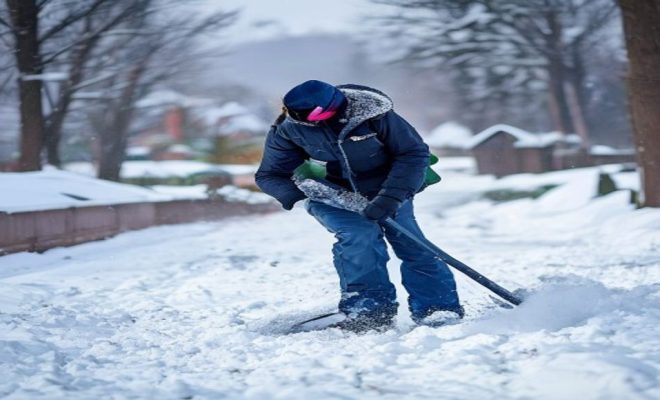
“`html
Winter can bring a magical blanket of snow, but it also poses the challenge of snow removal. Learning how to shovel snow properly is essential, not just for keeping driveways and sidewalks clear but also for ensuring safety during those icy months. While it might seem straightforward, shoveling snow effectively requires technique, strategy, and a bit of knowledge. Here are ten essential tips to help you tackle the snow like a pro, ensuring that you stay safe and efficient in your efforts.
1. Choose the Right Shovel
The first step in mastering how to shovel snow is selecting the appropriate shovel. There are various types available, including traditional shovels, scoop shovels, and ergonomic shovels designed to reduce strain on your body. A traditional shovel works well for most tasks, while a scoop shovel is great for moving large amounts of snow quickly. Ergonomic shovels can help minimize back strain by allowing you to maintain a more natural posture while shoveling. Make sure to consider your own physical capabilities when choosing the right tool.
Additionally, the size and weight of the shovel can make a big difference. A lightweight shovel can make the job easier, especially if you’re dealing with heavy, wet snow. Before you start, inspect your shovel to ensure it’s in good condition; a broken handle or bent blade can turn an easy task into a frustrating one.
2. Dress for Success
Shoveling snow can be a strenuous task, so dressing appropriately is crucial. Layering is key: start with moisture-wicking base layers to keep sweat away from your skin, add insulating layers to keep warm, and finish with a waterproof outer layer to protect against melting snow. Don’t forget warm gloves, a hat, and waterproof boots for maximum comfort and safety.
Your clothes should allow for a good range of motion. Avoid overly bulky garments that can restrict movement, as this may lead to poor technique and increase the risk of injury. Remember, safety comes first, so attire yourself in a way that prepares you to tackle the snow without the hindrance of cold or wet clothing.
3. Warm Up Before You Start
It might be tempting to rush outside and start shoveling right away, particularly if the snow is piling up. However, warming up your muscles is essential to prevent injuries. Take 5-10 minutes to do light stretching and some basic exercises to get your blood flowing. Focus on your back, arms, and legs, as these are the primary areas that will be engaged during shoveling.
Consider doing some gentle cardio too, like jumping jacks or brisk walking. Warming up can greatly reduce the risk of strains and sprains, making your snow-shoveling experience safer and more enjoyable.
4. Use Proper Technique
Learning how to shovel snow properly also involves mastering the right technique. Start by positioning your feet shoulder-width apart to maintain balance. When lifting the shovel, bend at your knees rather than your back, keeping your back straight as you lift. This technique is vital in reducing the risk of injury.
Consider pushing the snow rather than lifting it whenever possible. Pushing is generally easier on your back and allows you to move more snow with less effort. If you must lift the snow, try to keep the load light. Don’t overload the shovel; it’s better to take multiple trips than risk straining yourself by lifting too much at once.
5. Know When to Shovel
Timing can be everything when it comes to shoveling snow. Shoveling after every few inches of snowfall, rather than waiting for it to accumulate, can ease the workload tremendously. If you wait too long, the snow can become heavy and compacted, making it significantly harder to remove.
Pay attention to the weather forecast as well. If you know a big storm is coming, consider shoveling before it starts to help manage the aftermath. It’s often easier to deal with light, fluffy snow than heavy, wet snow, so don’t hesitate to get out there early.
6. Take Breaks
Shoveling snow can be an intense workout, and it’s easy to overdo it, especially if you’re not used to physical exertion in cold weather. Make sure to take frequent breaks to rest your muscles and hydrate. Experts recommend taking a break every 15-20 minutes, especially if the snow is deep or heavy. (See: CDC on snow shoveling safety.)
During your breaks, stretch your muscles to keep them loose and flexible. This can help prevent stiffness and reduce the risk of injury. Remember, it’s better to take your time than to push yourself too hard and end up sidelined with an injury.
7. Consider Snow Removal Alternatives
If shoveling snow seems daunting, consider alternatives. Snow blowers can make the job significantly easier and faster if you have a large area to clear. While they require an initial investment, many people find that the time and effort saved make it worth it, especially for heavy snowfall.
Additionally, hiring a professional snow removal service can be a great option for those who find shoveling physically challenging or who simply don’t have the time. Many services offer seasonal contracts, ensuring your property is taken care of without the hassle of manual labor.
8. Keep Your Driveway and Walkways Clear
When considering how to shovel snow effectively, it’s essential to think strategically about where to place the snow once it’s removed. Make sure to clear your driveway and walkways thoroughly to prevent any potential hazards. This includes being mindful of where you pile the snow. Avoid blocking sidewalks, driveways, or fire hydrants, as this can create dangerous situations.
It’s also essential to think about the path of least resistance when clearing snow. Shovel it away from areas that are frequently used, and create a clear path for foot traffic. Not only is this important for safety, but it also helps keep your property looking neat and tidy.
9. Understand the Risks of Snow Shoveling
Snow shoveling is not without its risks. It’s important to be aware of the potential for heart strain, especially for individuals who may have underlying health issues. According to the American Heart Association, shoveling snow can increase heart rate and blood pressure, potentially leading to serious health events.
If you have a history of heart problems or other health concerns, consult your doctor before tackling snow removal. Listen to your body as well; if you start to feel any discomfort or unusual symptoms, stop immediately and seek help. Safety should always be the top priority.
10. Enjoy the Process
Finally, embrace the experience and make the most of it. Snow shoveling can be a physical workout, and while it might not seem enjoyable at first, think of it as a chance to get outside and get some fresh air. You can even turn it into a family activity. Invite family members to help, or play some music to lighten the mood.
Remember to take pride in your efforts once the job is done. A clear driveway and walkways not only enhance the safety of your home but can also provide a sense of accomplishment. So, next time it snows, you’ll be equipped with the knowledge of how to shovel snow effectively and safely.
11. Understanding Different Types of Snow
Not all snow is created equal, and understanding the different types can significantly affect how you approach shoveling. There are generally three categories: light and fluffy snow, wet and heavy snow, and icy snow. Each type requires a different strategy for removal.
Light and fluffy snow is the easiest to shovel. It’s typically less dense and can be easily pushed aside or lifted without much effort. Wet and heavy snow contains more moisture and can weigh quite a bit, making it essential to lift smaller loads to avoid straining your back. Icy snow may require a more aggressive approach, such as using a shovel with a sharper edge or even some salt to help break the ice down before attempting to shovel.
By being aware of the type of snow you’re dealing with, you can adapt your technique and tools accordingly, making the job safer and more efficient.
12. Tools for Dealing with Ice
Sometimes, shoveling snow is just the beginning. Ice can form over time, especially on driveways and sidewalks that aren’t adequately cleared. For this, you might need tools specifically designed to cut through ice. Ice scrapers and ice chisels are handy for breaking up hard-packed snow and ice, while rock salt or ice melt can help dissolve icy patches. (See: New York Times on snow shoveling exercise.)
When using salt or other ice melting products, be mindful of the environment. Some chemicals can harm pets, plants, and water supplies, so look for eco-friendly options if possible. Applying sand can also improve traction on icy surfaces without the negative environmental impact.
13. Creating a Snow-Shoveling Schedule
If you live in an area that frequently experiences heavy snowfall, creating a shoveling schedule can help manage the workload. After a significant snowfall, set a reminder to check your property every few hours. This way, you can break the task into smaller chunks, making it feel less overwhelming and keeping your pathways clear.
For instance, if a storm is predicted, plan to shovel every 3-4 inches of accumulation. This proactive approach will keep the snow from becoming too heavy and compacted, saving you time and energy in the long run.
14. FAQs about Snow Shoveling
What is the best time to shovel snow?
The best time to shovel snow is after every few inches of accumulation. This prevents the snow from becoming too heavy and compacted, making it easier to remove.
How can I prevent back injuries while shoveling snow?
To prevent back injuries, use proper lifting techniques, such as bending at the knees and keeping your back straight. Take breaks frequently, and consider using an ergonomic shovel to reduce strain.
Can I use a snow blower instead of shoveling?
Yes! Snow blowers can be a great alternative to shoveling, especially for large areas or heavy snowfall. They can save you time and physical effort, but ensure you’re comfortable operating the machine safely.
What should I do if I get tired while shoveling?
If you get tired while shoveling, take a break. Rest for a few minutes, hydrate, and stretch to keep your muscles relaxed. It’s crucial to listen to your body and not push yourself too hard.
Are there any health risks associated with snow shoveling?
Yes, snow shoveling can be physically demanding and pose health risks, particularly for those with heart conditions. If you have health concerns, consult with your doctor before engaging in snow removal activities.
What should I do if I experience chest pain while shoveling?
If you experience chest pain while shoveling, stop immediately and seek medical attention. It’s essential to take any signs of distress seriously and prioritize your health.
15. Mastering the Art of Snow Shoveling
Shoveling snow might not be the most glamorous of tasks, but it’s an essential skill for anyone living in snowy climates. By following the tips and insights provided in this article, you can tackle snow removal with confidence. From selecting the right shovel to understanding the types of snow you’ll encounter, being prepared means you can handle whatever winter throws your way. Stay safe, stay warm, and enjoy the beautiful winter landscape that snow brings. With the right approach, you might even find a bit of joy in the process!
16. Snow Shoveling Safety Guidelines
Beyond understanding the technique and tools needed, it’s critical to adhere to safety guidelines when shoveling snow. Here are several important considerations: (See: Nature on physical activity and safety.)
- Stay Hydrated: Even in cold weather, hydration is vital. Drink water before, during, and after shoveling to prevent dehydration.
- Know Your Limits: If you feel fatigued or out of breath, it might be time to stop. It’s better to be safe than sorry.
- Shovel in the Morning: Try to do your shoveling early in the day when temperatures are milder, reducing the risk of frostbite and making the snow easier to manage.
17. Snow Shoveling and Your Heart
Shoveling snow can be surprisingly strenuous. According to research, it can be equivalent to a moderate workout. For those with heart conditions or high blood pressure, it’s especially important to take precautions. The American Heart Association suggests checking with your doctor about the safety of snow shoveling if you have pre-existing conditions.
As a reference, a Harvard Health study indicated that shoveling snow can elevate your heart rate up to 133 beats per minute, similar to jogging at a steady pace. Keeping this in mind, prioritize your health by monitoring your heart rate and taking breaks as needed.
18. Innovative Snow Removal Solutions
Modern technology has introduced several innovative tools for snow removal. For instance, heated mats can be placed on driveways and walkways to melt snow and ice automatically. They can be a bit pricey but can save you from the hassle of manual shoveling altogether. Additionally, some homeowners are investing in snow-melting systems embedded in their driveways, which keep them clear without any physical effort.
Another option gaining popularity is the robotic snow shovel. Similar to robotic vacuum cleaners, these devices can navigate your yard or driveway to clear snow, offering a hands-free solution for homeowners who prefer not to shovel manually.
19. Aftercare for Your Body
After a session of shoveling, your body deserves some care. Consider doing gentle stretching to relieve any tension in your muscles. Cold packs can be beneficial if you experience soreness, and a warm shower afterward can help soothe achy muscles.
Listening to your body is key. If you find that you’re in pain after shoveling, consider consulting a physical therapist for tailored advice on recovery and preventing future discomfort.
20. Snow Shoveling as a Community Activity
Shoveling snow can be an excellent opportunity for community bonding. In many neighborhoods, it’s common for neighbors to help each other out during heavy snowfalls. Organizing a “shoveling day” can turn a strenuous task into a fun community event. Consider making it a potluck, where everyone contributes a dish after the work is done. Not only does this foster camaraderie, but it also builds a sense of community resilience during winter months.
21. Final Thoughts on Snow Management
As winter approaches, being prepared for snow management is essential for both safety and convenience. Understanding how to shovel snow effectively, knowing your limits, and employing the right techniques and tools will not only make the process easier but also enhance your winter experience. Embrace the challenges, enjoy the beauty of winter, and remember that with the right approach, snow shoveling can be less of a chore and more of a winter adventure!
“`
Trending Now
Frequently Asked Questions
What is the best way to shovel snow?
The best way to shovel snow involves using the right shovel type for your needs, such as a traditional or ergonomic shovel. Proper technique, like lifting with your legs and pushing snow instead of lifting when possible, is crucial. Dressing in layers and taking breaks to avoid overexertion also contributes to effective snow removal.
How do you choose a snow shovel?
Choosing a snow shovel depends on your physical capabilities and the type of snow you’re dealing with. Traditional shovels are versatile, while scoop shovels are ideal for moving large amounts quickly. Ergonomic shovels help reduce back strain. Ensure the shovel is lightweight and in good condition for optimal performance.
What should I wear while shoveling snow?
When shoveling snow, dress in layers for warmth and mobility. Start with moisture-wicking base layers, add insulating layers, and finish with a waterproof outer layer. Don’t forget warm gloves, a hat, and waterproof boots to ensure comfort and safety while working in cold, wet conditions.
How often should you shovel snow?
It’s best to shovel snow as soon as it accumulates, especially after heavy snowfall. This prevents the snow from compacting and becoming harder to remove. Regularly clearing driveways and sidewalks helps maintain safety and accessibility during winter months.
What are the risks of shoveling snow?
Shoveling snow can pose risks such as back strain, muscle injuries, and even heart issues due to the physical exertion involved. To minimize these risks, use proper lifting techniques, take breaks, and stay hydrated. Dressing appropriately and using the right tools also helps ensure safety.
Agree or disagree? Drop a comment and tell us what you think.