Master Sledding: Your Ultimate Guide to Winter Fun
“`html
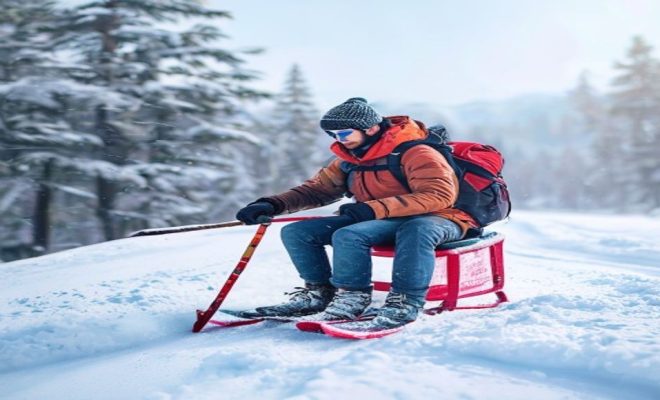
Sledding, a beloved winter pastime, ignites a sense of nostalgia for many while presenting exhilarating fun for people of all ages. Whether you’re a newcomer to the snowy slopes or a seasoned sledding enthusiast, understanding the nuances of this sport can take your experience to the next level. Here’s a comprehensive guide loaded with sledding tips to help you enjoy this thrilling winter activity safely and effectively.
1. Choosing the Right Sled
The first step to a successful sledding adventure is selecting the right sled. There are various types available, each offering different experiences. Common sled types include:
- Plastic Sleds: Lightweight and easy to maneuver, these are great for speed and can glide effortlessly over snow. They typically come in various colors and designs, making them appealing to kids and adults alike.
- Wooden Sleds: Often more durable, wooden sleds provide a classic feel and can handle heavier loads, making them perfect for family outings. They may not be as fast as plastic ones but are great for a leisurely ride.
- Tubes: Inflatable tubes are designed for comfort and can be used on hills of varying sizes. They are excellent for casual sledding but can be slower on steep hills. Make sure to check the weight limit to ensure safety.
- Composite Sleds: These combine materials like plastic and metal for a balanced option that offers both speed and durability. They tend to perform well on a variety of terrains.
When selecting your sled, consider the terrain you’ll be sledding on, the number of people who will be riding, and your personal preferences for speed and comfort. It’s also wise to check for safety features like handles and seat belts, especially for children. Some sleds even come with built-in brakes, which can be a great addition for safety.
2. Finding the Perfect Sledding Hill
Your sledding experience heavily depends on the hill you choose. Look for a slope that is:
- Steep but Safe: A good sledding hill should have a sufficient incline to build speed but not so steep that it becomes dangerous. A slope that’s too steep can lead to accidents.
- Free of Obstacles: Ensure the area is clear of trees, rocks, and other hazards. A smooth landing area is crucial to prevent injuries.
- Accessible: Choose a hill that’s easy to reach, especially if you’re sledding with children or a group. Parking nearby can save you from lengthy treks through the snow.
- Sun-Exposed: Hills that get ample sunlight are often less icy and provide better traction for sledding. This can enhance speed and control during your runs.
Popular sledding spots often include parks, schoolyards, and dedicated sledding hills. Checking local regulations is essential, as some areas may have restrictions on sledding. Local parks might also have designated sledding days, so keep an eye on community boards for events.
3. Safety First: Gear Up Properly
Before hitting the slopes, safety gear is paramount. Dress appropriately to stay warm and prevent injuries. Here are some essential items:
- Helmet: A must-have for all ages, helmets protect against head injuries. Look for one specifically designed for winter sports and ensure a proper fit.
- Warm Clothing: Layering is key. Wear thermal base layers, insulated jackets, and waterproof pants to stay warm and dry. Don’t forget warm socks and a sturdy winter coat!
- Gloves and Boots: Ensure your hands and feet are well insulated. Waterproof boots are especially important as they prevent your feet from getting soggy.
- Goggles: Protect your eyes from the wind, snow, and glare from the sun. This is particularly useful on sunny days when the light reflects off the snow.
It’s also wise to avoid wearing scarves that could get caught in the sled or drag behind you. Instead, opt for neck gaiters that keep you warm without the risk of entanglement. Remember to check the weather report before you go out; windy and extremely cold days might require additional layers or adjustments in your plans.
4. Understanding the Rules of Sledding
Before you start your sledding adventure, it’s crucial to understand the rules and etiquette associated with the activity. This ensures your safety and that of others. Here are some essential rules:
- Wait Your Turn: Avoid crowding the starting point. Allow others to finish their run before you head down.
- Go Down Feet First: This position offers better control and reduces the risk of head injuries. It’s a safer choice compared to lying down on your stomach.
- Be Aware of Your Surroundings: Keep an eye on other sledders, and make sure the path ahead is clear before you take off.
- Help Others: If someone falls or has trouble getting up, lend a hand. Sledding is all about having fun together, so look out for each other.
These guidelines can significantly reduce the chance of accidents and make the experience more enjoyable for everyone. Additionally, if you’re at a crowded hill, consider using designated paths for descending and ascending to keep the flow smooth. (See: Learn about sledding history and types.)
5. Perfecting Your Sledding Technique
Once you’ve geared up and selected a safe hill, it’s time to focus on technique. Mastering your sledding form can enhance both safety and performance. Here are some tips:
- Body Position: When sledding, keep your body low and centered. This position helps maintain balance and stability, especially during sharp turns.
- Steering: Use your body weight to steer. Lean in the direction you want to go, and shift your weight to help maneuver the sled. If you’re on a tube, gently twist your hips to guide your direction.
- Use Your Hands: Hands can be used to dig into the snow to slow down or change direction. Just be cautious not to extend them too far out, which could lead to injuries.
- Braking: Learn the art of braking! For sleds with a rear footrest, you can drag your feet to slow down. For tubes, simply lean back to create more friction against the snow.
Practicing these techniques will not only help you enjoy a smoother ride but also instill confidence on the slopes. Consider playing around with speed or trying out tricks (safely) to maximize your fun!
6. Making It a Family Affair
Sledding is an excellent family activity that encourages bonding and outdoor fun. To make the most of your family sledding trip, consider these tips:
- Set Group Guidelines: Establish rules for your group, especially for younger kids. This includes taking turns, staying together, and communicating while sledding.
- Bring Snacks and Drinks: Sledding can be exhausting, so pack some snacks and hot cocoa to keep everyone energized and warm. Thermoses with warm drinks can be a real treat after a cold day!
- Photograph the Fun: Capture memories by taking photos or videos during your sledding adventure. These moments become cherished keepsakes. Consider creating a scrapbook after the season ends to document your adventures!
- Plan a Sledding Picnic: Make a day of it! Bring a portable grill for hot dogs or marshmallows, and enjoy lunch in the great outdoors.
Making sledding a family tradition creates lasting memories and instills a love for winter activities in children. Engaging in group games or friendly competitions can further enhance the experience.
7. Local Sledding Events
Many communities organize sledding events throughout winter, offering an excellent opportunity for sledding enthusiasts to come together. These events often include:
- Races: Some local parks host sledding races, where families can compete for prizes or simply for bragging rights. Often, these events are organized by age groups, making it fair for everyone.
- Community Gatherings: Enjoy a festive atmosphere with other sledders, complete with food stalls and entertainment. Such gatherings can include contests for the fastest run or best sled design!
- Workshops: Educational sessions on safety, sled maintenance, or even sledding techniques can enhance your skills. Local experts might offer tips on the best sledding gear to use.
- Family Fun Days: Many parks will host days specifically for families, where activities and games are organized to encourage community participation.
Participating in local events not only enhances your sledding experience but also fosters community spirit. Make sure to check local community calendars for updates on sledding happenings!
8. Maintaining Your Sled
To ensure your sled provides many years of fun, proper maintenance is essential. Here’s how to care for your sled:
- Inspect Before Use: Check for any damage before hitting the slopes. Look for cracks, dents, or loose parts that could compromise safety. A quick inspection can save you from a bad fall.
- Clean After Use: Remove snow and dirt after each use to prevent corrosion and damage. Depending on the material, a damp cloth may be all that’s needed.
- Store Properly: Store your sled in a dry place during warmer months. Avoid leaving it outside, as prolonged exposure to elements may warp or damage it over time.
- Upgrade When Necessary: Replace worn-out parts or upgrade features if your sled is not performing optimally. Check for companies that offer sled upgrades or accessories to enhance your ride.
Keeping your sled in top shape ensures that every sledding trip is safe and enjoyable. A well-maintained sled will glide better and last longer, making it a great investment for your winter fun.
9. Embracing the Joy of Sledding
At its core, sledding is about having fun and enjoying the great outdoors. Embrace the joy it brings by:
- Trying New Hills: Explore different sledding locations to discover new experiences each winter. Check with friends for their favorite hills, or search for online reviews of local spots.
- Incorporating Play: Add games like sledding races or obstacle courses to make the activity even more engaging. Consider timing each run to see who can go fastest!
- Sharing Your Love: Introduce friends and family to sledding, creating new bonds and shared memories. Host a sledding day where everyone can bring their sleds and enjoy the day together.
Sledding is more than just a winter activity; it’s a way to create joyful memories amidst snow-covered landscapes. Remember these sledding tips, and you’ll be ready for an unforgettable winter adventure!
10. Frequently Asked Questions About Sledding
As with any popular activity, questions are bound to arise. Here are some common queries about sledding and their answers: (See: Safety tips for sledding activities.)
1. What age is appropriate for children to start sledding?
Generally, children as young as two can enjoy sledding, but they should be accompanied by an adult at all times. Young children should use smaller, lighter sleds that are easy for adults to control.
2. Can you sled on any hill?
Not all hills are suitable for sledding. Always choose hills that are designated for sledding, are free of obstacles, and have a clear ending area to prevent injuries.
3. Is it safe to sled at night?
If you choose to sled at night, make sure the area is well-lit, and that you have adequate visibility. Always wear reflective gear, and it’s best to have a designated adult supervising the activity.
4. Should I wear a helmet while sledding?
Yes! Helmets are crucial for protecting against head injuries, especially in the event of a fall or collision. Choose a helmet rated for winter sports for optimal safety.
5. Can you sled on a hill with snowmaking equipment?
It depends on the facility and their rules. Some ski resorts allow sledding where they have snowmaking equipment, but they may have specific guidelines to follow.
6. What should I do if I or someone else gets injured while sledding?
First, assess the injury. If it’s serious, call for medical help immediately. If it’s minor, make sure the injured party is comfortable, and they may need rest and ice until they feel better.
7. Are there specific sledding techniques for different types of sleds?
Yes, each type of sled has its own techniques. For instance, with a toboggan, leaning back can help balance, while a plastic sled may require more steering with your body weight and hands.
8. How do I choose the best sledding gear for my needs?
Consider your level of experience, the type of sledding you’ll be doing, and the weather conditions. Investing in quality gear that fits properly will enhance your experience and safety.
9. Can I sled if it’s below freezing?
Yes, sledding can be enjoyable in below freezing temperatures. Just make sure to dress appropriately to avoid frostbite and stay warm during your activity. (See: Sledding safety tips from The New York Times.)
10. What are some alternatives to sledding if the conditions aren’t ideal?
If the snow conditions are not suitable for sledding, consider alternatives like snow tubing, snowshoeing, or building snow forts. Each of these activities offers a unique way to enjoy winter.
11. Top Sledding Destinations to Explore
If you’re looking to elevate your sledding experience, consider visiting some of the best sledding destinations across the country. Here’s a list of popular spots that offer exceptional sledding opportunities:
- Hillcrest Park, Minneapolis, MN: This park is famous for its large hill suited for all ages. It features a designated sledding area with ample space and safety measures in place.
- Central Park, New York City: With several hills to choose from, Central Park offers a classic urban sledding experience. The park’s landscape makes it feel like a winter wonderland in the heart of the city.
- Snow Mountain Ranch, Granby, CO: This resort boasts dedicated sledding lanes and a family-friendly atmosphere. It’s perfect for those who want to combine sledding with other winter activities.
- Mount Hood, Oregon: If you’re up for a bit more adventure, the slopes of Mount Hood provide numerous sledding opportunities, with beautiful views and thrilling runs.
- Liberty Park, Salt Lake City, UT: This park offers gentle slopes that are perfect for families and children, making it a great choice for a fun day out.
These destinations not only provide fantastic sledding hills but often have additional amenities like warming huts, food stands, and rental options for sleds. Make sure to check the local weather and park regulations before heading out!
12. Preparing for a Sledding Adventure
Before you head out for a day of sledding, a little preparation can make all the difference between a great day and a mediocre one. Here’s how to ensure you’re ready:
- Check the Weather: Always look at the weather forecast before you go. Avoid days with extreme temperatures or heavy winds, as these can make the experience uncomfortable.
- Plan Your Trip: Decide on a time to leave that allows you to make the most of the daylight. Sledding is often more enjoyable when the sun is out, providing better visibility and warmer conditions.
- Pack a First Aid Kit: Accidents can happen, so it’s smart to have a basic first aid kit on hand. Include band-aids, antiseptic wipes, and any personal medications.
- Bring Phones and Chargers: In case of emergencies, it’s a good idea to have a charged phone with you. Consider bringing portable chargers as well!
Being prepared not only enhances your experience but also ensures that you can handle any unexpected situations that may arise during your sledding adventure.
Sledding can be a delightful experience, especially when you’re well-prepared and informed. With these sledding tips at your disposal, you’re set for an exciting and safe outing in the snowy outdoors this winter!
“`
Trending Now
Frequently Asked Questions
What are the best types of sleds for beginners?
For beginners, plastic sleds are ideal due to their lightweight design and ease of maneuverability. They provide a fast and fun experience on snowy slopes, making them perfect for those new to sledding.
How do I choose the right hill for sledding?
Select a sledding hill that is steep but safe, with a clear run-out area at the bottom. Avoid hills near roads, trees, or other obstacles to ensure a fun and safe sledding experience.
What safety features should I look for in a sled?
When choosing a sled, look for safety features such as handles, seat belts, and built-in brakes. These features are especially important for children's sleds to ensure a safe ride.
Can I use inflatable tubes for sledding?
Yes, inflatable tubes are great for sledding and offer comfort. They work well on hills of varying sizes, but may be slower on steep slopes. Always check the weight limit for safety.
What should I wear for sledding?
Dress in warm, waterproof clothing, including insulated jackets, snow pants, gloves, and hats. Proper footwear is essential to keep your feet warm and dry while enjoying sledding.
Have you experienced this yourself? We'd love to hear your story in the comments.