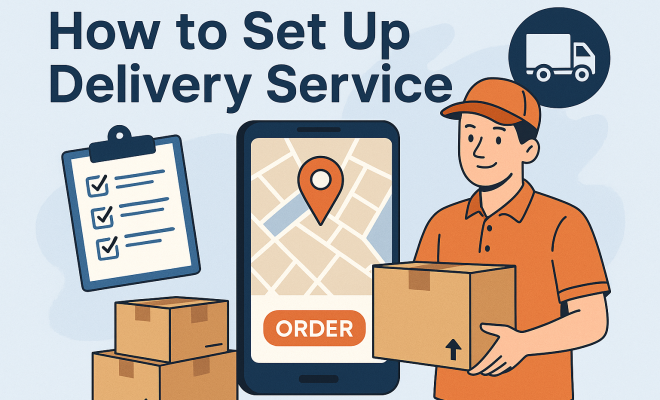
How to set up delivery service
“`html
As the demand for convenient access to goods continues to rise, setting up a delivery service has become a hot topic among entrepreneurs and businesses alike. With the advent of e-commerce and a rapidly changing consumer market, the potential for a successful delivery service setup is greater than ever. Whether you’re a small local restaurant looking to offer delivery or a startup aiming to provide comprehensive logistics solutions, this guide will walk you through the key steps for establishing your delivery service.
1. Understanding the Market
Before launching any business, a thorough understanding of the market is essential. Research your target audience and assess their needs. Who are your potential customers? What products or services are they looking for? Are there existing competitors, and if so, what are they doing well?
Gauging demand through surveys or focus groups can provide insights into customer preferences. For example, in urban areas, consumers often seek quick delivery of food and groceries, while in suburban regions, larger item deliveries might be more common. Analyzing these patterns will give you a clearer roadmap for your delivery service setup.
2. Choosing Your Niche
Once you’ve assessed the market, it’s time to choose your niche. Delivery services can range from food and grocery delivery to specialized items like flowers or electronics. Pinpointing your niche will help you tailor your business model and marketing efforts accordingly.
For instance, if you decide to focus on food delivery, you might partner with local restaurants or grocery stores. On the other hand, if your niche is package delivery for e-commerce businesses, you’ll need to consider logistics and handling of diverse product types. The clearer you are about your niche, the better you can strategize your delivery service setup.
3. Legal Considerations
Establishing a delivery service requires navigating various legal requirements. This includes registering your business, obtaining necessary licenses, and understanding local regulations. Depending on your location, you may need permits for operating a delivery service, especially if you’re handling food or hazardous materials.
Additionally, consider insurance coverage for your delivery vehicles and liability insurance to protect your business from potential claims. A solid legal foundation ensures that your delivery service operates smoothly and can withstand potential challenges.
4. Technology and Tools
In today’s digital age, leveraging technology is crucial for an efficient delivery service setup. Start by investing in software for tracking orders, managing inventory, and optimizing routes. Route optimization software can significantly reduce delivery times and enhance customer satisfaction.
Furthermore, consider implementing a customer-facing app or website where users can place orders, track their deliveries, and provide feedback. This not only improves the user experience but also allows you to gather valuable data for future improvements.
5. Fleet Management
Deciding on the right vehicles for your delivery service is a critical step in your setup process. Depending on your niche, you may need motorcycles, vans, or trucks. Evaluate the costs associated with purchasing or leasing vehicles and consider their maintenance needs.
Additionally, implementing a fleet management system can help you track the performance of your vehicles, including fuel usage and driver behavior. This data is invaluable for improving efficiency and reducing costs over time.
6. Building a Reliable Delivery Team
Your delivery team is the backbone of your service. Hiring reliable drivers who can represent your brand is crucial. During the hiring process, consider conducting thorough background checks and offering training to ensure that your team understands your service standards.
In terms of logistics, think about how you will manage scheduling, routes, and communication. Providing your drivers with tools like real-time communication apps and scheduling software can enhance their performance and improve customer satisfaction. (See: Transportation and health topics.)
7. Marketing Your Delivery Service
Once your delivery service is set up, it’s time to get the word out. Craft a marketing strategy that highlights the unique aspects of your service. Utilizing social media platforms, local SEO, and partnerships with local businesses can increase your visibility.
Additionally, consider offering promotions or discounts to attract new customers. Engaging with your community through events or sponsorships can also help build brand recognition and loyalty.
8. Customer Feedback and Improvement
After launching your delivery service, collecting customer feedback is vital for improvement. Utilize surveys, social media, and direct communication to understand customer experiences. What do they love? What areas need improvement? This feedback loop helps you refine your service over time.
Implementing changes based on customer feedback not only enhances satisfaction but also builds trust and loyalty. Satisfied customers are more likely to recommend your service to others, driving organic growth.
9. Scaling Your Delivery Business
Finally, as your delivery service begins to establish itself, consider strategies for scaling. This could involve expanding your service area, introducing new product lines, or even diversifying into related services. Evaluate your current operations to identify areas of potential growth.
Remember, scalability often requires investing in additional resources, whether that be technology, personnel, or vehicles. Being prepared for growth helps ensure that your delivery service can meet increased demand without compromising quality.
10. Understanding Different Delivery Models
When setting up your delivery service, you should consider which model fits your business best. There are several types of delivery models, including on-demand delivery, scheduled delivery, and subscription-based models. Each has its own set of pros and cons that can significantly affect your operational strategy.
For example, on-demand delivery, which is popular in urban areas, allows customers to receive products almost instantly. Companies like Uber Eats have capitalized on this model, providing a seamless experience for users wanting food quickly. On the other hand, scheduled delivery may appeal more to customers looking for predictability, such as grocery deliveries that arrive at a set time each week.
Subscription-based models, such as meal kit services or personal care packages, can create a steady income stream. However, they often require significant upfront investment in logistics and inventory management to ensure freshness and quality.
11. Pricing Strategies for Your Delivery Service
Setting the right pricing strategy is crucial for attracting customers while also ensuring profitability. Conduct a competitive analysis to understand how similar services are priced in your area. Factors to consider include delivery fees, product pricing, and any additional charges that may apply, such as service fees or minimum order amounts.
One effective strategy is implementing tiered pricing based on distance or delivery time. For instance, shorter distances could incur lower fees, while longer distances might have higher costs. Additionally, consider offering free delivery for orders over a certain amount to encourage larger purchases.
It’s also worth testing promotional pricing, especially during your service launch. Limited-time discounts or “first delivery free” promotions can entice customers to try your service, which can lead to repeat business if they have a positive experience.
12. Utilizing Data and Analytics
In the world of delivery services, data is your best friend. Analytics can provide insights into customer behavior, operational efficiency, and overall performance. By tracking metrics such as delivery times, order volumes, and customer satisfaction ratings, you can make informed decisions to improve your service.
Consider using analytics tools that integrate with your order management systems. These tools can help you identify peak delivery times, enabling you to allocate resources more effectively. For example, if data shows that delivery requests spike during lunch hours, you might need more drivers on the road during that time. (See: New York State transportation resources.)
Additionally, analyzing customer feedback can highlight areas for improvement. If you notice consistent complaints about late deliveries, it may be time to reevaluate your routing software or driver scheduling.
13. Environmental Considerations
As more consumers become environmentally conscious, integrating sustainable practices into your delivery service can set you apart from competitors. Implementing green delivery options, such as electric vehicles or bicycle couriers, can not only reduce your carbon footprint but also attract a customer base that values sustainability.
It’s also essential to consider packaging. Offering eco-friendly packaging solutions can enhance your brand’s image. For instance, using biodegradable packaging materials or reusable containers can resonate well with environmentally aware consumers. Highlighting these practices in your marketing can create a positive narrative around your brand.
14. FAQ
What are the initial costs involved in setting up a delivery service?
The initial costs can vary significantly based on your niche and delivery model. Key expenses often include vehicle acquisition, technology setup (tracking software, website/app), marketing, insurance, and staffing. Conduct a thorough budget analysis to determine your startup costs accurately.
How do I choose the right technology for my delivery service?
Choosing the right technology involves identifying your specific needs. Consider factors like order volume, types of products delivered, and customer preferences. Research various software options, read reviews, and seek demos to find a solution that integrates well with your operations.
What kind of insurance do I need for my delivery service?
You’ll need commercial vehicle insurance for any delivery vehicles and liability insurance to protect against claims from customers. Additionally, consider product liability insurance if you’re delivering food or other consumables. Consulting with an insurance expert can help you understand what coverages are necessary for your specific operation.
How can I ensure the quality of deliveries?
To maintain quality, it’s essential to train your drivers and establish clear guidelines for handling products. Implementing a feedback loop with customers can also highlight areas for improvement. Regularly reviewing delivery procedures and investing in technology that enhances tracking and route optimization can further improve service quality.
Is it necessary to have a mobile app for my delivery service?
While it’s not strictly necessary, having a mobile app can greatly enhance customer experience and streamline operations. Apps provide convenience for customers placing orders and tracking deliveries. They can also serve as a platform for promotions and direct communication, making it a valuable investment for customer engagement.
15. Building Strong Relationships with Local Businesses
Establishing partnerships with local businesses can significantly enhance your delivery service setup. Collaborating with restaurants, retailers, or other local services creates a symbiotic relationship where both parties benefit. For instance, if you partner with a local bakery, you can offer exclusive delivery options for their products while they promote your service to their customer base.
Moreover, consider co-hosting events or promotions with these businesses. Such partnerships can leverage local networks and increase customer engagement, making your delivery service more recognizable within the community. It’s a win-win scenario that builds loyalty and trust on both sides.
16. Safety and Compliance
Safety should be a paramount concern in your delivery service setup. This goes beyond having insurance; it involves ensuring that your vehicles are regularly maintained and that drivers adhere to safety protocols. Implementing safety training for your drivers can minimize risks and protect your assets.
Additionally, staying compliant with local and national regulations regarding vehicle operation, food safety (if applicable), and labor laws is crucial. Regular audits and compliance checks can help keep your service running smoothly and legally. (See: Delivery service in business management.)
17. Understanding the Role of Customer Service
Customer service is the heart of any delivery service. Train your team to handle inquiries, complaints, and feedback effectively. Your drivers can also play a role in customer service by being courteous and professional during deliveries. This personal touch can significantly enhance the customer experience.
Consider setting up a dedicated customer service line or chat function that allows customers to reach out easily with questions or issues. Quick response times can drastically improve customer satisfaction and help you maintain a positive reputation in the competitive delivery market.
18. Exploring International Shipping Options
If your delivery service has the potential to grow beyond local markets, consider exploring international shipping options. International delivery can open up new revenue streams, but it also comes with its own set of challenges, such as customs regulations, varying taxes, and logistics complexities.
Before jumping into international shipping, conduct thorough research on potential markets. Understand the demand for your service, local competitors, and regulations that may affect your operations. Collaborating with experienced logistics partners can also ease the transition into international delivery.
19. Leveraging Social Media for Growth
Social media platforms are powerful tools for promoting your delivery service. Use them to share updates, promotions, and customer testimonials. Engaging with your audience through comments and messages creates a sense of community and builds loyalty.
Consider running targeted ad campaigns on platforms like Facebook or Instagram to reach a broader audience. You can tailor your ads based on demographics, interests, and location, ensuring that they reach potential customers within your target market.
20. Looking Ahead: Future Trends in Delivery Services
The delivery industry is rapidly evolving, and staying ahead of trends can give you a significant competitive advantage. For example, drone delivery is becoming more feasible, promising faster delivery times for certain products. Autonomous delivery vehicles are also on the rise, which could change the landscape of logistics in the near future.
Additionally, the integration of AI and machine learning in route optimization and customer service will likely enhance efficiency and personalization. Keeping an eye on these trends and being willing to adapt will position your delivery service as an innovative leader in the market.
Starting a delivery service can be a lucrative venture if approached with careful planning and execution. By following these steps and focusing on customer satisfaction, you can position your delivery service for long-term success in a competitive landscape.
“`
Trending Now
Frequently Asked Questions
What do I need to consider before starting a delivery service?
Before starting a delivery service, it's crucial to understand the market by researching your target audience, assessing their needs, and analyzing competitors. Conducting surveys or focus groups can help gauge demand and identify customer preferences, which are essential for tailoring your service.
How do I choose a niche for my delivery service?
Choosing a niche involves identifying the specific type of delivery service you want to offer, such as food, groceries, or specialized items like electronics. This decision will guide your business model, partnerships, and marketing strategies, ensuring you meet the unique needs of your target customers.
What legal requirements are there for starting a delivery service?
Starting a delivery service involves navigating various legal requirements, including business licenses, insurance, and compliance with local regulations. It’s important to research and ensure you meet these legal obligations to operate your service safely and legally.
How can I assess demand for my delivery service?
To assess demand for your delivery service, conduct market research through surveys, focus groups, and competitor analysis. This will help you understand customer preferences and identify gaps in the market, allowing you to tailor your services effectively.
What are the key steps to setting up a delivery service?
Key steps to setting up a delivery service include understanding the market, choosing your niche, addressing legal considerations, and developing a business model. Each step is crucial for ensuring that your service meets customer needs and operates efficiently.
What did we miss? Let us know in the comments and join the conversation.