Remove Tree Stumps: A Comprehensive Guide to Effective Methods
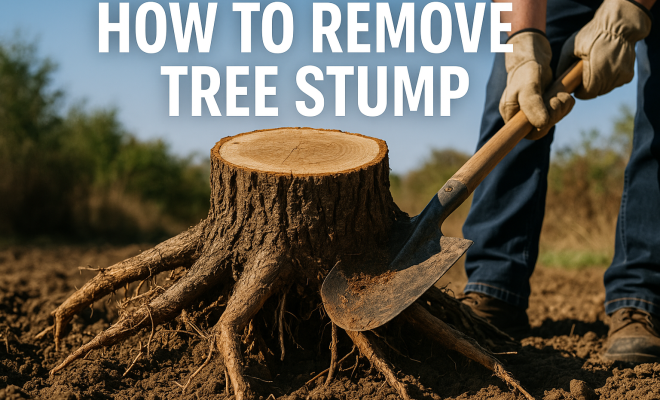
“`html
Removing a tree stump can often feel like a daunting task, especially if you’re unsure where to begin. Whether it’s left over from a tree that once stood tall in your backyard or a fallen tree that’s become an eyesore, getting rid of that stump can restore the beauty of your landscape. In this comprehensive guide, we’ll explore the most effective methods to remove tree stumps, delve into the practical insights you need for each technique, and address current relevance in landscaping practices.
1. Why You Should Remove Tree Stumps
The presence of a tree stump in your yard is more than just an aesthetic concern. Stumps can attract pests like termites, beetles, and other wood-destroying insects, which may eventually invade your home or other wooden structures. Moreover, they can become a tripping hazard, especially if you have children or elderly family members living with you. Additionally, stumps can hinder your landscaping efforts, blocking the space for new plants or grass to thrive.
Furthermore, decaying stumps can harbor fungi and diseases that affect nearby trees and plants. By removing tree stumps, you not only enhance the visual appeal of your yard but also contribute to a healthier garden environment. The removal process may seem labor-intensive, but the long-term benefits far outweigh the initial effort.
2. Assessing Your Situation
Before jumping into the stump removal process, it’s crucial to assess the situation. Consider the species of tree that left the stump; hardwood trees like oak or maple tend to have deep roots that may complicate the removal process. Softwood trees, such as pine, typically have shallower root systems, making them easier to remove.
Also, think about the stump’s location. If it’s nestled close to your house, utility lines, or other structures, you might need to take extra precautions to avoid damaging them during removal. Ultimately, understanding the size, species, and placement will help you choose the best method to effectively remove the stump.
3. Manual Removal: A Back-to-Basics Approach
For those who enjoy a good workout, manual removal can be a satisfying way to remove a tree stump. This method involves digging around the stump to expose the roots, then cutting them with tools like a saw or axe. You might also use a shovel or pickaxe to loosen the soil and pull the stump out by hand.
While this method can be labor-intensive, it’s cost-effective and environmentally friendly. However, it’s important to note that manual removal is best suited for smaller stumps. If you encounter larger roots or a particularly stubborn stump, you may want to consider alternative methods.
4. Using a Stump Grinder
If you’re looking for a faster, more efficient solution, renting or investing in a stump grinder may be the way to go. A stump grinder is a powerful tool equipped with a rotating blade that shreds the stump into small wood chips. This method is effective for both large and small stumps.
Before using a stump grinder, make sure you’re familiar with its operation and safety precautions. This method can produce a lot of debris, so wearing protective gear such as goggles and gloves is essential. Additionally, always check for underground utilities in the area before proceeding, as the grinder can damage these lines if not used carefully.
5. Chemical Removal: The Long Game
If you’re not in a rush, chemical stump removers can offer a slow but effective solution. These products typically contain potassium nitrate, which accelerates the decay process of the stump. To use this method, drill holes into the stump, then fill them with the chemical and water. Cover the stump with plastic to retain moisture, and in several weeks, the stump will become soft and easier to remove. (See: tree stumps and pest attraction.)
While chemical removal is less labor-intensive than manual options, it does take time. Be cautious when using chemicals, especially around pets and children, and follow all instructions on the product label. This method is ideal if you prefer a hands-off approach or want to allow nature to take its course.
6. Burning the Stump: A Fiery Solution
Another method to consider is burning the stump, though this approach comes with necessary precautions. To burn a stump, you’ll first need to ensure it’s legal to do so in your area, as some regions have strict fire regulations. Once you have permission, you can drill holes into the stump, fill them with flammable materials, and ignite it.
Burning can be an effective way to remove the stump, but it requires supervision and safety measures, such as clearing the area of flammable materials and having a water source nearby. This method may take time, as you’ll need to ensure the entire stump is burned down completely. Once the fire dies down, you can remove the charred remains and fill the hole.
7. Natural Decay: Letting Time Do the Work
If you’re not in a hurry and prefer a natural approach, letting the stump decay over time can be an option. To speed up the process, you can drill holes in the stump and cover it with soil, compost, or mulch to encourage microbial activity. Over time, moisture and decomposition will cause the stump to break down naturally.
This method requires patience and may take months or even years, depending on the stump’s size and species. While you may not see immediate results, nature can work wonders when given the chance. This approach can also enrich your soil as the stump decays, benefiting nearby plants.
8. Hiring a Professional: When to Call for Help
If the stump removal process feels overwhelming or if you’re dealing with a particularly large or complex stump, hiring a professional arborist may be the best course of action. Professionals have the expertise, tools, and experience to safely and efficiently remove tree stumps.
When considering hiring a pro, ask for quotes from multiple companies and check their credentials and reviews. While it may come at a higher cost than doing it yourself, the peace of mind and efficiency that professionals bring to the table can be worth the investment, particularly if safety or property damage is a concern.
9. Aftercare and Follow-Up
Once you’ve successfully removed the tree stump, the work isn’t quite over. Depending on the method you chose, you may need to fill the hole left behind with soil or mulch, and consider replanting in that area. If you used chemicals or burned the stump, waiting a while before planting anything in that spot is advisable to ensure the area is safe.
Also, take the time to assess the surrounding area for any remaining roots. If there are still visible roots, you might want to plan for their removal or at least monitor them for any potential issues. Regularly checking the area will help ensure your yard remains beautiful, safe, and thriving.
In conclusion, understanding the best methods to remove tree stumps empowers you to make informed decisions tailored to your specific landscaping needs. Whether you choose a DIY approach, chemical methods, or professional help, removing that tree stump will enhance your outdoor space significantly.
10. Comparing Stump Removal Methods
When it comes to removing tree stumps, it’s essential to compare the different methods available to determine which one best fits your needs. Each method has its advantages and disadvantages. Here’s a brief comparison: (See: impact of decaying stumps on ecosystems.)
- Manual Removal: Best for small stumps, cost-effective but labor-intensive.
- Stump Grinding: Fast and efficient for all stump sizes, but requires equipment rental and safety precautions.
- Chemical Removal: Low effort and allows for natural decay, but takes weeks to show results.
- Burning: Effective but requires legal permission and safety measures.
- Natural Decay: Eco-friendly and cost-free, but extremely slow.
- Hiring Professionals: Safe and efficient for complex situations, but can be expensive.
By evaluating these factors, you can better decide which method suits your landscaping project and personal preferences.
11. Stump Removal Cost and Budgeting
Another key consideration when planning to remove a tree stump is the cost. Costs can vary widely depending on the method you choose, the stump’s size, and your geographic location. Here’s a rough breakdown of potential costs:
- Manual Removal: $0 – $50 (tools like shovels and saws).
- Stump Grinding: $75 – $400 per stump depending on size.
- Chemical Removal: $10 – $50 for chemicals.
- Burning: $0 – $50 (if you already have materials for burning).
- Natural Decay: $0 (requires time and patience).
- Hiring Professionals: $100 – $800 depending on complexity.
Before making any decisions, it’s wise to get quotes from local professionals and consider any equipment rental fees if you’re going the DIY route. Creating a budget will help you stay on track and avoid surprises during the process.
12. Frequently Asked Questions (FAQ)
What’s the fastest way to remove a tree stump?
The fastest method is usually stump grinding. A stump grinder can quickly chip away at the stump, turning it into mulch. It’s effective for both large and small stumps.
Can I remove a tree stump myself?
Yes, you can remove a tree stump yourself using manual removal, chemical methods, or burning, depending on your comfort level and the tools available to you.
How deep do tree roots go?
Tree root depth varies by species. Generally, most tree roots grow to a depth of about 18 inches to 24 inches, but some, especially larger trees, can extend much deeper.
Is stump grinding messy?
Yes, stump grinding can be messy due to the wood chips and debris scattered during the process. However, many professionals will clean up the area afterward, or you can manage the mess if you do it yourself.
How long does it take for a stump to decompose naturally?
Natural decomposition can take anywhere from several months to several years, depending on the stump’s size, species, and environmental conditions like moisture and temperature.
Can I plant a new tree in the same spot after removing a stump?
Yes, you can plant a new tree in the same spot after removing the stump, but it’s advisable to wait for the ground to settle and, if you used chemicals, to ensure the area is safe.
What should I do with the hole left after removing a stump?
You can fill the hole with soil, compost, or mulch. If you plan to plant new vegetation, adding nutrient-rich soil will help support new growth. (See: landscaping tips for tree removal.)
13. Environmental Impacts of Stump Removal
Understanding the environmental implications of stump removal is crucial for responsible landscaping. Each method has its own impact:
- Manual Removal: Minimal impact; however, extensive digging can disturb the soil ecosystem.
- Stump Grinding: Produces wood chips that can be reused as mulch, contributing to sustainability.
- Chemical Removal: Risks leaching chemicals into the soil, which can harm surrounding plants and wildlife.
- Burning: Can release pollutants into the air and should be done with caution to avoid wildfires.
- Natural Decay: Best for the environment as it allows natural processes to occur without interference.
Choosing eco-friendly methods, like natural decay or stump grinding followed by using chips as mulch, can enhance your landscaping without harming your local ecosystem.
14. Safety Precautions When Removing a Tree Stump
Regardless of the method you choose to remove a tree stump, safety should always come first. Here are some important precautions to keep in mind:
- Wear Protective Gear: Always wear goggles, gloves, and sturdy footwear to protect yourself from flying debris or sharp tools.
- Check for Utilities: Before digging or grinding, ensure there are no underground utility lines. You can call your local utility company to mark the locations.
- Have a First Aid Kit Handy: Accidents can happen, so it’s wise to have a first aid kit on site just in case.
- Work in Pairs: If possible, have someone nearby to help in case of an emergency or if you need an extra pair of hands.
- Follow Instructions Carefully: If you’re using chemicals or power tools, read and follow all manufacturer instructions to ensure safe operation.
15. Alternative Uses for Tree Stumps
Instead of removing the stump completely, you might consider repurposing it. Here are some creative ideas:
- Garden Planters: Hollow out the top of the stump to create a unique planter for flowers or herbs.
- Outdoor Seating: Large stumps can serve as rustic seating or tables in your backyard.
- Wildlife Habitat: Leaving the stump can provide a habitat for insects and other wildlife, promoting biodiversity in your yard.
- Decorative Features: Carve or decorate the stump for an artistic touch in your garden or yard.
These alternatives can add character to your landscape and provide functional uses instead of simply discarding the stump.
16. Maintaining Your Landscape Post-Stump Removal
After you’ve removed the stump, maintaining your landscape becomes key to ensuring a healthy and vibrant garden. Here are some tips on how to care for your newly cleared space:
- Monitor for New Growth: Keep an eye out for any shoots or roots that may regrow; they can be removed to prevent any resurgence.
- Enhance Soil Quality: Add compost or organic matter to enrich the soil in the area where the stump was removed. This can help new plants thrive.
- Consider Mulching: Mulching around newly planted areas can retain moisture and suppress weed growth, giving your plants a better chance to flourish.
- Plan for Future Landscaping: With the stump gone, think about how to use the space effectively. Plan for new plants, pathways, or other structures that enhance your landscape design.
17. Conclusion
Understanding the best methods to remove tree stumps empowers you to make informed decisions tailored to your specific landscaping needs. Whether you choose a DIY approach, chemical methods, or professional help, removing that tree stump will enhance your outdoor space significantly. With the right method, you can reclaim your yard, improve safety, and even enrich your soil for future planting. Take your time to evaluate your options, develop a plan, and enjoy a beautifully landscaped yard free from the hindrance of that stubborn stump.
“`
Trending Now
Frequently Asked Questions
What is the best way to remove a tree stump?
The best way to remove a tree stump depends on factors like the tree species and its location. Methods include manual removal, grinding, and chemical treatments. Manual removal is effective for smaller stumps, while grinding is ideal for larger ones. Assess the stump's size and proximity to structures to choose the most suitable method.
Why should I remove a tree stump?
Removing a tree stump is essential for aesthetic reasons and safety. Stumps can attract pests, become tripping hazards, and hinder landscaping efforts. Additionally, decaying stumps may harbor diseases that affect nearby plants. Removing them enhances your yard's visual appeal and promotes a healthier garden environment.
Can I remove a tree stump myself?
Yes, you can remove a tree stump yourself, but it requires proper assessment and tools. For small stumps, manual removal using a shovel and axe may suffice. For larger stumps, consider renting a stump grinder or using chemical methods. Always take safety precautions, especially if the stump is near structures or utility lines.
How long does it take to remove a tree stump?
The time it takes to remove a tree stump varies by method and stump size. Manual removal can take several hours to a few days, while stump grinding is usually completed in under an hour. Chemical methods may take weeks to fully decompose the stump, depending on the product used and environmental conditions.
What tools do I need to remove a tree stump?
To remove a tree stump, you may need tools such as a shovel, axe, chainsaw, and possibly a stump grinder for larger stumps. If using chemical methods, you’ll need a drill for holes and a suitable herbicide. Always ensure you have safety gear like gloves and goggles when performing stump removal.
What did we miss? Let us know in the comments and join the conversation.