Master Meal Prep: Your Ultimate Guide to Efficient & Healthy Eating
“`html
Introduction
Meal prepping has transformed from a niche practice to a mainstream approach to cooking and eating. Thanks to advancements in meal prep technology, more people are discovering the benefits of planning and preparing their meals in advance. This guide explores everything you need to know about meal prep, from its history and advantages to practical tips and tech innovations that can make your life easier.
1. Understanding Meal Prep
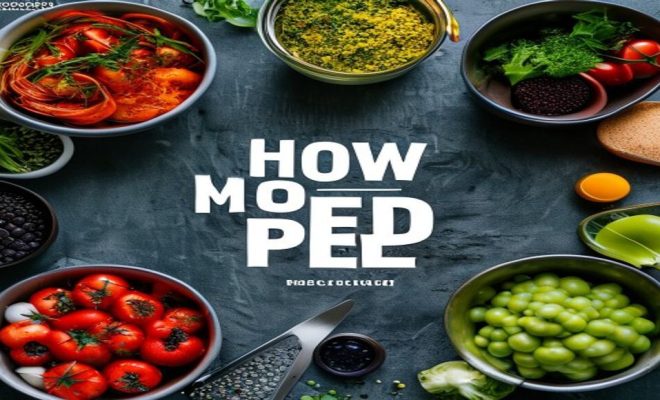
At its core, meal prep is the process of planning, cooking, and storing meals ahead of time. It’s a strategy designed to save time, reduce food waste, and promote healthier eating habits. The practice can vary from preparing individual meals for the week to batch cooking for an entire month.
The concept has roots in various cultures where families would prepare large quantities of food to preserve during the week. However, the modern approach to meal prep has evolved significantly, with a growing emphasis on convenience and health.
2. The Benefits of Meal Prep
Meal prep isn’t just about convenience; it offers a plethora of benefits.
- Time-saving: By dedicating a few hours each week to cooking, you can free up time on busy weekdays.
- Healthier choices: Having pre-prepared meals reduces the temptation to opt for unhealthy takeout options.
- Cost-effective: Buying ingredients in bulk and cooking at home is often cheaper than eating out.
- Reduced food waste: Planning meals helps you use ingredients before they spoil, minimizing waste.
Each of these benefits contributes to making meal prep an appealing choice for anyone looking to streamline their food choices.
3. Choosing the Right Meal Prep Containers
One of the essential aspects of effective meal prep is selecting the right containers. Not only do they need to be functional, but they should also complement your meal prep technology. Here are some popular types:
- Glass containers: Durable and microwave-safe, glass containers are excellent for reheating meals without leaching chemicals.
- Plastic containers: Lightweight and less prone to breaking, these are often more affordable but should be BPA-free.
- Vacuum-sealed bags: Ideal for freezing meals, vacuum-sealing keeps food fresh for extended periods.
Investing in containers that fit your lifestyle and cooking habits can make all the difference in your meal prep experience.
4. Smart Meal Prep Technology: Tools and Gadgets
With technology advancing rapidly, several gadgets make meal prep easier and more efficient. Let’s take a look at some popular tools that can enhance your meal prep process:
- Smart scales: Use these to precisely measure ingredients, ensuring accuracy in your recipes.
- Instant pot or slow cooker: These versatile appliances allow you to prepare meals with minimal supervision.
- Meal planning apps: Apps like Mealime or Paprika help you organize recipes, manage grocery lists, and even track nutritional information.
The integration of meal prep technology into your cooking routine not only simplifies tasks but also allows you to experiment with new recipes.
5. How to Start Meal Prepping
If you’re new to meal prepping, starting can be intimidating. Here’s a step-by-step guide to help you get started: (See: Healthy eating and meal planning.)
- Plan your meals: Choose recipes that you can batch cook and store. Consider breakfast, lunch, dinner, and snacks.
- Make a grocery list: Write down the ingredients you’ll need and stick to the list while shopping.
- Cook in bulk: Dedicate a day to cook multiple meals. Use your gadgets wisely to speed up the process.
- Store appropriately: Use your selected containers to portion meals and label them for easy identification.
By following these steps, you can create a sustainable meal prep routine that fits your busy lifestyle.
6. Healthy Meal Prep Ideas
Meal prep doesn’t have to be boring or repetitive. Here are some healthy and diverse meal ideas to keep things exciting:
- Overnight oats: Combine oats with yogurt and fruits for a nutritious breakfast.
- Grilled chicken and veggies: A classic option, simply grill a batch of chicken and assorted vegetables for lunches.
- Quinoa bowls: Mix quinoa with beans, vegetables, and a dressing for a filling meal.
- Soups and stews: Cook large quantities of hearty soups that can be easily frozen and reheated.
These ideas not only offer variety but also cater to different dietary preferences and restrictions.
7. Meal Prep for Special Diets
Meal prep technology has made it easier to cater to specific dietary needs. Whether you’re vegan, keto, or gluten-free, there are meal prep solutions tailored for you. Here are some tips for each of these diets:
- Vegan: Focus on plant-based proteins like lentils, chickpeas, and tofu, along with a variety of vegetables.
- Keto: Prioritize high-fat, low-carb ingredients. Use meal prep technology to batch cook meats and vegetables.
- Gluten-free: Ensure all ingredients are certified gluten-free and explore alternative grains like quinoa or rice.
Experimenting with different recipes while sticking to your dietary preferences can ensure you enjoy your meal prep experience without feeling restricted.
8. Staying Motivated with Meal Prep
One challenge many face when starting meal prep is maintaining motivation. Here are some strategies to keep your meal prep exciting:
- Mix up your recipes: Regularly introduce new recipes to keep things fresh and appealing.
- Involve others: Meal prep with friends or family to make it a social activity.
- Track your progress: Use apps to monitor how much time and money you save over weeks and months.
Finding ways to stay engaged with your meal prep routine will help you reap the benefits for the long haul.
9. The Future of Meal Prep Technology
The world of meal prep technology is constantly evolving. Innovations such as AI-powered meal planning apps and the advent of lab-grown foods point to a future where meal prep becomes even more streamlined and accessible. Imagine recipes tailored specifically to your dietary needs, taking into account your health data and preferences.
Additionally, the rise of smart kitchens equipped with connected appliances could revolutionize meal prep. Imagine your oven knowing exactly how long to cook your meal based on a recipe downloaded from your meal planning app. This level of integration would not only enhance convenience but also encourage healthier eating habits.
10. Meal Prep Myths Debunked
Despite its growing popularity, several myths surrounding meal prep might deter people from trying it. Let’s clarify some of these misconceptions:
- Meal prep is too time-consuming: While it may seem labor-intensive initially, dedicating a few hours on the weekend can save you significant time during busy weekdays.
- It’s only for health enthusiasts: Meal prepping can benefit anyone, regardless of their health goals. It’s about convenience and efficiency, not just health.
- Prepped meals are boring: With the variety of recipes and flavors available, meal-prepped dinners can be gourmet. Spice them up with different herbs, sauces, and sides.
- It’s expensive: In fact, cooking at home usually costs less than eating out and helps you control portion sizes and ingredients.
11. Meal Prep Statistics: The Numbers Behind the Trend
To better understand the impact of meal prep, consider these statistics:
- According to a survey from the Food Marketing Institute, 82% of consumers want to incorporate more meal prep into their routine.
- A study published in the Journal of Nutrition Education and Behavior showed that individuals who meal prep are more likely to meet their nutritional goals.
- The meal kit delivery industry, which aligns closely with meal prep technology, has seen an annual growth rate of 20%, highlighting increasing consumer interest.
- Research indicates that meal prepping can result in 50% less food waste when compared to spontaneous grocery shopping and cooking.
These numbers suggest that meal prepping is not just a trend but a lifestyle choice that can lead to healthier eating habits and waste reduction. (See: Healthy eating guidelines from NIH.)
12. Expert Perspectives on Meal Prep
Nutritionists and chefs alike have shared their insights on meal prep, emphasizing its benefits:
- Registered Dietitian Lisa Moskovitz: “Meal prepping allows individuals to take control of their diet. It’s a proactive approach to eating that helps avoid impulsive choices.”
- Chef and Food Blogger Marissa Mullen: “By prepping meals, you’re not just making life easier; you’re also creating a connection with your food. It’s rewarding to know what goes into your meals.”
- Fitness Coach Eric Cressey: “For those focused on fitness, meal prep can be an essential tool. It ensures you’re fueling your body with the right nutrients without needing to think about it daily.”
13. Meal Prep for Families
Meal prepping can also be a game-changer for families juggling busy schedules. Here are some strategies tailored for parents:
- Involve the kids: Make meal prep a family event. Kids can help with simple tasks like washing veggies or assembling snacks.
- Batch cook family favorites: Prepare larger portions of family favorites and freeze them in smaller sizes for quick meals later.
- Theme nights: Designate themed nights (taco night, pasta night) to streamline planning and make dinner more fun.
- Utilize slow cookers: Set up slow cookers in the morning for meals that will be ready by dinner, taking the pressure off late afternoons.
14. FAQ About Meal Prep Technology
If you’re still curious about meal prep technology, here are some frequently asked questions:
1. What are the best meal prep apps?
Popular meal prep apps include Mealime, Yummly, and Plan to Eat. These apps can help with recipe organization, grocery lists, and nutritional tracking.
2. How do I keep my meals from getting boring?
Experiment with different cuisines, change up spices, and rotate your protein sources. Trying a new recipe every week can keep your meals exciting.
3. Can I meal prep for weight loss?
Absolutely! Meal prep can help you control portions and ensure you’re eating balanced meals. Planning meals around your caloric goals can significantly aid weight loss efforts.
4. How long do meal-prepped meals last?
Most meal-prepped meals can last about 4-5 days in the fridge. If freezing, they can last for 2-3 months, depending on the ingredients used.
5. Is meal prepping suitable for singles?
Yes! Singles can benefit from meal prepping by reducing food waste, saving time, and ensuring they have healthy meals on hand. It’s a great way to enjoy home-cooked meals without daily cooking.
15. Meal Prep and Sustainability
Another significant benefit of meal prep technology is its impact on sustainability. With growing concerns about the environment, meal prepping can help reduce food waste, which is a major contributor to greenhouse gas emissions. By planning meals and using ingredients that you already have at home, you can minimize the likelihood of food going bad and being tossed out.
Statistics show that in the U.S., around 30-40% of the food supply is wasted. Meal prepping can drastically cut this figure by maximizing ingredient usage. For example, if you buy a bunch of spinach for a recipe, you can plan additional meals that also incorporate spinach, ensuring that nothing goes to waste. (See: World Health Organization on healthy diets.)
In addition, using meal prep technology such as vacuum sealers can prolong the life of fresh produce, allowing you to buy in bulk without the fear of spoilage. The environmental benefits of meal prep extend beyond just reducing waste; they also support a more plant-based diet, which is generally more sustainable than diets high in animal products.
16. Meal Prep for Busy Professionals
Meal prepping is especially advantageous for busy professionals who often struggle to find the time to cook during the workweek. With the right strategy, meal prep can fit seamlessly into a hectic lifestyle.
Consider dedicating a couple of hours on the weekend to prepare your meals for the week. Choose recipes that hold up well in the fridge and are easy to reheat. For instance, stir-fries, casseroles, and grain bowls are great choices that maintain flavor and texture even a few days later.
Additionally, investing in a good quality lunch box or insulated container can make a big difference. Not only will it keep your meals fresh, but it also makes it easy to transport your meals to work. With meal prep technology, you can use insulated jars for soups and salads, ensuring you have a wholesome meal that’s both convenient and healthy.
17. Meal Prep for Athletes
Athletes have specific nutritional needs, and meal prepping can be a game changer for those looking to optimize their performance. Meal prep allows athletes to take control of their nutrition by planning meals that meet their energy and recovery needs.
Protein is crucial for muscle repair, so incorporating lean meats, legumes, and dairy alternatives into meal prep can help ensure adequate intake. Carbohydrates are equally important, especially around training sessions. Preparing complex carbs like brown rice, quinoa, and sweet potatoes can provide the energy needed for high-intensity workouts.
Moreover, meal prep technology can assist athletes by utilizing apps that track macronutrients, ensuring they’re meeting their specific dietary goals. A good meal prep strategy can also save time on busy days, allowing athletes to focus more on training and recovery.
18. Final Thoughts on Meal Prep Technology
Embracing meal prep technology opens up a world of possibilities, making cooking and eating healthier meals more accessible and enjoyable. By understanding the various tools, strategies, and benefits associated with meal prepping, you can not only improve your culinary skills but also foster a healthier lifestyle. So why not give meal prep a try? You might find that it transforms your relationship with food in ways you never imagined.
“`
Trending Now
- How AI Education Framework Consulting Can…
- our breakdown of the urgent need for ai governance in schools: 10 steps to implementation
- this guide on the unseen risks of ai in education: how misguided implementations could harm students
- the complete explanation
- Discover the Top 8 AI-Powered EdTech Platforms Transforming K-12 Education
Frequently Asked Questions
What is meal prep and why is it important?
Meal prep refers to the practice of planning, cooking, and storing meals in advance. It's important because it saves time during busy weekdays, promotes healthier eating habits, reduces food waste, and can be more cost-effective compared to dining out.
What are the benefits of meal prepping?
The benefits of meal prepping include saving time, making healthier food choices, reducing costs by buying in bulk, and minimizing food waste. These advantages make meal prep an appealing strategy for efficient and health-conscious eating.
How do I choose the right meal prep containers?
Choosing the right meal prep containers involves selecting options that are functional and compatible with your meal prep technology. Popular choices include durable glass containers that are microwave-safe, as well as BPA-free plastic options for convenience.
Can meal prep help me eat healthier?
Yes, meal prep can significantly help you eat healthier by providing pre-prepared meals that reduce the temptation to choose unhealthy takeout options. With planned meals, you're more likely to stick to nutritious choices.
How can I start meal prepping?
To start meal prepping, begin by planning your meals for the week, making a grocery list, and dedicating a few hours to cooking and storing your meals in appropriate containers. This simple routine can streamline your cooking and eating habits.
What did we miss? Let us know in the comments and join the conversation.