Beginner’s Guide to Meditation: Start Your Practice Today
“`html
Meditation has been a practice for thousands of years, rooted in various cultural and spiritual traditions. Today, it stands as a beacon of mental wellness, offering numerous benefits for both mind and body. For those just starting out, understanding how to meditate effectively can seem daunting. However, this guide aims to break down the essential components of meditation for beginners, making it accessible and easy to integrate into daily life.
1. Understanding Meditation
At its core, meditation is a mental exercise that focuses on training attention and awareness. It’s not about emptying your mind or stopping thoughts; rather, it encourages observing thoughts without judgment. This practice has origins in spiritual traditions, including Buddhism and Hinduism, but it has been embraced worldwide as a secular method for enhancing well-being.
Studies have shown that meditation can reduce stress, improve concentration, and promote emotional health. According to a report by the American Psychological Association, various meditation forms can affect the brain’s structure and function, leading to significant mental health benefits. For beginners, recognizing that meditation is a skill that takes time to develop is essential; it’s okay to feel challenged at first.
2. Types of Meditation
The landscape of meditation is diverse, with several techniques available to choose from. Each method offers unique benefits, and as a beginner, it’s valuable to explore different styles to find what resonates with you. Here are a few common types:
- Mindfulness Meditation: This form emphasizes being present and fully engaged with the moment. It involves observing your thoughts and feelings without judgment and is often practiced through breathing exercises.
- Guided Meditation: Often led by a teacher or through recordings, guided meditation helps direct your thoughts and visualize calming imagery. This method is beneficial for beginners who may feel adrift without direction.
- Loving-Kindness Meditation: Also known as Metta, this technique focuses on cultivating compassion and kindness toward oneself and others. It typically involves repeating phrases that convey good wishes for yourself and those around you.
- Transcendental Meditation: Practiced for 20 minutes twice a day, this technique involves silently repeating a mantra. It aims to settle the body into a profound state of rest and relaxation.
As a beginner, trying out different meditation forms can help you discover what feels most comfortable and beneficial for your needs.
3. Setting Up for Success
Creating an optimal environment for meditation can greatly enhance your experience. Choose a quiet space where you won’t be disturbed. This could be a dedicated room, a corner of your living space, or even a peaceful outdoor setting. Ensure the area is comfortable, free from distractions, and has a soothing atmosphere.
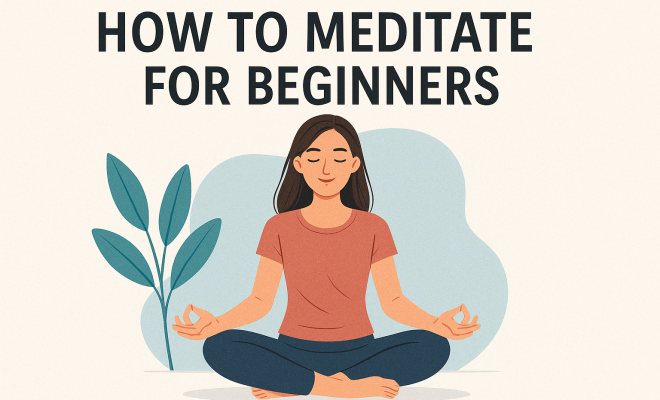
Consider using cushions or a chair to support a comfortable seating position. While traditional meditation often involves sitting cross-legged on the floor, the key is to maintain a posture that supports relaxation while keeping you alert. You might also want to dim the lights or light a candle to create a calming ambiance.
4. Establishing a Routine
To make meditation a regular part of your life, establishing a routine is vital. Decide on a time that works best for you, whether it’s early in the morning, during lunch breaks, or before bed. Consistency helps in building a habit and can amplify the positive effects of meditation.
Start with short sessions, perhaps just five minutes, and gradually increase the duration as you become more comfortable. Setting a timer can help you focus on your practice without worrying about the clock. There are also numerous apps available that provide guided meditations and tools to track your progress.
5. Common Challenges and How to Overcome Them
Every beginner faces challenges when starting meditation. Common issues include a wandering mind, physical discomfort, and impatience with progress. It’s crucial to remember that these experiences are normal and part of the journey.
When your mind wanders, gently bring your focus back to your breath or your chosen point of focus. Practicing self-compassion is key; instead of getting frustrated, acknowledge the distraction and return to the present moment. For physical discomfort, experiment with different postures or supports, and don’t hesitate to adjust your position during your sessions. As for impatience, remember that meditation is a practice that evolves over time. Patience will reward you with deeper insights and tranquility. (See: NIH article on meditation benefits.)
6. Incorporating Mindfulness Into Daily Life
Meditation doesn’t have to be confined to your dedicated practice sessions. You can incorporate mindfulness into everyday activities to enhance your overall well-being. For instance, try being fully present during routine tasks like eating, walking, or even washing dishes. Focus on the sensations, sounds, and feelings associated with those activities.
Mindfulness can significantly boost your quality of life. Research published in the journal Psychological Science suggests that incorporating mindfulness practices into daily routines can lead to lower stress levels, improved relationships, and enhanced emotional regulation. The more you practice being present, the easier it becomes, turning mundane moments into opportunities for mindfulness.
7. The Science Behind Meditation
The benefits of meditation are well-documented in scientific literature. Neuroscientific studies have shown that meditation can reshape brain structures and functions, particularly in areas related to emotion regulation, attention, and self-awareness. For instance, research conducted at Harvard University found that mindfulness meditation can increase gray matter in the hippocampus, which is essential for learning and memory.
Additionally, the practice has been linked to reduced symptoms of anxiety and depression. A meta-analysis by researchers at Johns Hopkins University revealed that mindfulness meditation programs can lead to small to moderate reductions in anxiety, depression, and pain. As more people embrace meditation for its mental health benefits, ongoing research continues to unveil its potential.
8. Finding Resources and Communities
As a beginner, seeking resources and communities can enrich your meditation experience. Numerous apps, websites, and local classes offer guided sessions, resources, and support. Popular apps like Headspace and Calm provide structured programs tailored to various skill levels, including beginners.
Joining a meditation group or class can also enhance your practice. Engaging with others can provide motivation, encouragement, and shared insights. Many communities host meditation sessions, either in-person or virtually, allowing you to connect with others on a similar journey.
9. Tracking Your Progress
As you embark on your meditation journey, tracking your progress can help you stay motivated and recognize the benefits over time. Consider keeping a journal where you can jot down your experiences, challenges, and any insights gained during your sessions. This practice can provide valuable reflections and encourage you to remain committed.
Many meditation apps also offer features to track your sessions, durations, and milestones. Setting realistic goals, such as meditating a certain number of days in a row or increasing your session length gradually, can provide a sense of accomplishment.
10. Embracing the Journey
Finally, it’s important to embrace meditation as a journey rather than a destination. Each person’s experience will be unique, and there’s no “right” way to meditate. Allow yourself the freedom to explore and adapt your practice to suit your needs. The key is to remain open-minded and patient with yourself.
As you cultivate mindfulness, you may discover new layers of peace, clarity, and insight in your life. Meditation for beginners is not just an exercise in stillness; it’s a pathway to understanding yourself better and fostering a deeper connection with the present moment. So, take a deep breath, find your seat, and enjoy the journey ahead.
11. Benefits of Regular Meditation Practice
Regular meditation practice can yield profound benefits over time. Not only can it enhance mental clarity and emotional resilience, but it also contributes to physical health. For instance, studies indicate that practitioners of meditation may experience lower blood pressure, improved immune function, and reduced inflammation. According to a study published in the journal Health Psychology, individuals who engaged in mindfulness meditation showed a decrease in the number of illnesses, such as colds and viruses, compared to those who did not meditate.
Additionally, meditation is known to improve sleep quality. According to the National Sleep Foundation, mindfulness meditation can help people fall asleep faster and improve overall sleep quality. It does so by calming the mind and reducing racing thoughts that often accompany anxiety and stress. With a more restful sleep, individuals often report better focus and productivity during waking hours.
12. The Role of Breath in Meditation
Breath is a fundamental aspect of many meditation practices. It’s the anchor that can keep you grounded, especially when thoughts start to drift. Focusing on your breath allows you to create a rhythm and develop mindfulness. When you inhale deeply, you activate the parasympathetic nervous system, which promotes a state of calm and relaxation. Conversely, shallow breathing can lead to feelings of anxiety and stress. (See: WHO on mental health and wellness.)
Incorporating breathwork into your meditation practice can enhance its effectiveness. Try different breathing techniques, such as the 4-7-8 method where you inhale for 4 seconds, hold for 7 seconds, and exhale for 8 seconds. This not only helps in grounding you but also makes your meditation practice more dynamic and engaging.
13. Expert Perspectives on Meditation for Beginners
Many experts in the field of mental health emphasize the importance of starting meditation early and incorporating it into one’s lifestyle. Dr. Jon Kabat-Zinn, the founder of Mindfulness-Based Stress Reduction (MBSR), often stresses that meditation is a practice of paying attention, recognizing that life unfolds in moments. He suggests that beginners should approach meditation with a sense of curiosity rather than a desire for perfection.
Similarly, Dr. Tara Brach, a well-known meditation teacher and psychologist, encourages beginners to cultivate self-acceptance during their practice. She highlights that the journey of meditation can reveal insights into one’s habitual patterns of thought and behavior, which can lead to significant personal transformation.
14. Common Misconceptions About Meditation
There are several misconceptions about meditation that can deter beginners. One common belief is that you need to clear your mind completely to meditate effectively. In reality, it’s normal for thoughts to arise; the goal is to acknowledge and gently redirect your focus back to your breath or chosen point of meditation.
Another misconception is that meditation requires a significant time commitment. As discussed, even short sessions can be incredibly beneficial. It’s about the quality of your practice rather than the quantity. You can start with just a few minutes a day and gradually increase as you become more comfortable.
15. Frequently Asked Questions
What is the best time of day to meditate?
The best time to meditate varies from person to person. Some prefer early morning to set a positive tone for the day, while others find that evening sessions help them unwind. Experiment with different times to see what feels right for you.
How long should I meditate as a beginner?
As a beginner, starting with 5-10 minutes is a great way to ease into the practice. As you become more comfortable, you can gradually increase the duration to 15-30 minutes or more, depending on your schedule and comfort level.
Do I need special equipment to start meditating?
No special equipment is necessary to begin meditating. You can use a comfortable chair, cushion, or even sit on the floor. The most important aspect is finding a quiet space where you can focus. However, using a meditation app or timer can help guide your practice.
Is it normal to feel restless or frustrated during meditation?
Absolutely. Many beginners experience restlessness or frustration as they begin their meditation journey. This is a natural part of the process. Acknowledge these feelings without judgment and gently return your focus to your breath or point of meditation.
Can meditation help with anxiety and stress?
Yes, numerous studies have shown that meditation can be effective in reducing anxiety and stress levels. By fostering a greater sense of awareness and presence, meditation helps individuals manage their responses to stressors, promoting a sense of calm and clarity.
How can I stay motivated to meditate regularly?
Staying motivated can be a challenge. Consider setting small, achievable goals, joining a meditation community, or incorporating meditation into your daily routine in a way that feels enjoyable. Tracking your progress, as mentioned earlier, can also serve as a motivational tool.
16. Additional Techniques to Enhance Your Meditation Practice
As you dive deeper into meditation, you can explore various techniques to enrich your practice. Here are a few suggestions:
- Body Scan Meditation: This method involves mentally scanning your body for areas of tension. Start from your toes and work your way up to your head, consciously relaxing each body part. This practice increases body awareness and promotes relaxation.
- Chanting or Mantra Meditation: Repeating a mantra or chant can be a powerful way to focus your mind. This could be a word, phrase, or sound that resonates with you. The vibration created by chanting can enhance your meditative state and deepen your experience.
- Walking Meditation: If sitting still feels challenging, consider trying walking meditation. This practice involves mindful walking at a slow pace, focusing on the sensations of your feet touching the ground and your body in motion.
Each of these techniques can offer new insights and levels of engagement in your meditation practice. Feel free to explore and see what resonates with you.
17. Statistics on Meditation Growth and Popularity
The interest in meditation has skyrocketed in recent years. A survey conducted by the National Center for Complementary and Integrative Health found that the number of adults in the U.S. who reported using meditation increased from 4.1% in 2012 to 14.2% in 2017. A more recent report indicates that meditation apps have seen a significant rise in subscription rates, with Calm and Headspace leading the charge. Calm reported that their app was downloaded over 100 million times in 2020 alone.
This surge in popularity is largely attributed to growing awareness of mental health issues and the search for effective coping mechanisms. Many professionals now recommend meditation as a complementary approach to traditional therapies, noting its positive effects on mental and emotional well-being.
18. Real-Life Testimonials: The Impact of Meditation
Many individuals have shared transformative experiences stemming from their meditation practice. For example, a study published in the journal *Psychological Science* included testimonials from participants who reported significant changes in their lives after adopting a regular meditation routine. They noted improvements in their emotional responses to stress and a newfound sense of inner peace.
Another participant shared how meditation helped them cope with a chronic illness. By integrating mindfulness practices, they reported reduced anxiety related to their health and a more positive outlook on life. These stories exemplify how meditation can serve as a powerful tool for personal growth and resilience.
19. Tips for Maintaining a Long-Term Meditation Practice
Staying committed to meditation can be challenging, but a few tips can help you maintain your practice over the long haul:
- Join a Meditation Challenge: Participating in a challenge can provide structure and community support. Many online platforms and apps offer 30-day challenges to encourage consistency.
- Adjust Your Practice as Needed: Don’t hesitate to modify your practice if you find it becoming stale or unfulfilling. Whether it’s changing the time of day you meditate or trying a new technique, keeping your practice fresh can enhance your engagement.
- Set Reminders: Use reminders on your phone or sticky notes in visible places to prompt you to meditate. These small nudges can help reinforce your commitment during busy days.
20. Conclusion: Your Meditation Journey Awaits
Embarking on the path of meditation as a beginner opens a world of possibilities for personal growth and mental clarity. With practice, patience, and dedication, you can cultivate a deeper connection with yourself and the world around you. Remember to approach your meditation practice with an open heart and mind, allowing it to evolve naturally. As you continue this journey, you may find that meditation for beginners transforms not just your mind, but your entire perspective on life.
“`
Trending Now
Frequently Asked Questions
What are the basics of meditation for beginners?
For beginners, meditation involves training attention and awareness rather than emptying the mind. It encourages observing thoughts without judgment and can be practiced through various techniques such as mindfulness and guided meditation, making it accessible and beneficial for mental wellness.
How can meditation benefit mental health?
Meditation has been shown to reduce stress, improve concentration, and promote emotional health. Studies indicate that it can positively affect the brain's structure and function, leading to significant mental health benefits, making it a powerful tool for enhancing overall well-being.
What types of meditation are best for beginners?
Beginners can explore various types of meditation, including mindfulness meditation, which emphasizes being present, and guided meditation, which is often led by a teacher or recordings. Trying different styles can help you find what resonates best with you.
Is it normal to find meditation difficult at first?
Yes, it's completely normal for beginners to find meditation challenging. Recognizing meditation as a skill that takes time to develop is important. With practice, it becomes easier to observe thoughts without judgment and engage more deeply in the process.
How do I start meditating as a beginner?
To start meditating, find a quiet space, choose a comfortable position, and begin with short sessions focusing on your breath or using guided meditations. Gradually increase your practice duration as you become more comfortable with the process.
Agree or disagree? Drop a comment and tell us what you think.