Craft the Ultimate Margarita: A Step-by-Step Guide
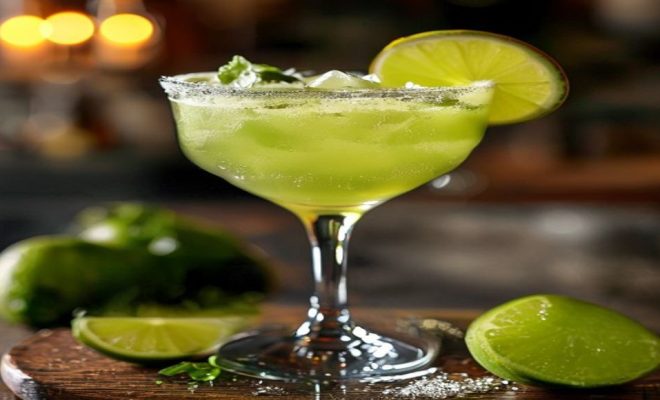
“`html
When you think of warm weather, beach vibes, and good times, what drink comes to mind? For many, it’s the classic margarita. This vibrant cocktail, with its tangy lime flavor and refreshing kick, has been a staple in bars and backyards alike. But, how to make margarita that truly stands out from the rest? Let’s explore the secrets behind crafting the ultimate margarita, from its rich history to the finest techniques.
1. The Rich History of the Margarita
The margarita’s origins are as colorful as the drink itself. Most stories trace its roots back to the early 20th century in Mexico, with various tales claiming credit for its invention. Some say it was named after a socialite named Margarita Sames, who is said to have concocted the drink at her home in Acapulco in 1948. Others suggest it may have been inspired by the American cocktail known as the Daisy, which featured tequila instead of brandy.
Regardless of its true origins, the margarita gained massive popularity in the United States during the 1970s, coinciding with the tequila boom. Today, it’s one of the most ordered cocktails in bars across the country. Whether served frozen or on the rocks, the margarita has evolved into various forms, each with its unique twist on the classic recipe.
2. Understanding the Ingredients
To master how to make margarita, you need to start with the right ingredients. The classic margarita consists of just three primary components: tequila, lime juice, and orange liqueur. Let’s break them down:
- Tequila: Opt for a high-quality tequila, preferably 100% agave. Blanco tequila offers a crisp, fresh taste, while reposado provides a richer, more complex flavor due to aging in barrels.
- Lime Juice: Freshly squeezed lime juice is essential for an authentic margarita. Bottled lime juice often contains preservatives and lacks the vibrant flavor of freshly squeezed.
- Orange Liqueur: Common choices include Cointreau or Triple Sec. Both add sweetness and depth, balancing the tartness of the lime.
While these three form the backbone of the margarita, feel free to experiment with other ingredients, such as agave syrup for sweetness or flavored liqueurs for a unique twist.
3. The Perfect Margarita Ratio
Now that you know the ingredients, let’s talk about the ratio. A standard margarita typically follows a 2:1:1 ratio: two parts tequila, one part lime juice, and one part orange liqueur. This balance ensures the cocktail is neither too strong nor overly sweet, delivering a harmonious flavor.
However, these ratios can be adjusted according to personal preference. If you prefer a more robust tequila flavor, you might increase the tequila to 2.5 parts. For a sweeter margarita, add a little more orange liqueur. Remember, the key to a great margarita is finding a balance that suits your palate.
4. Shaking vs. Blending: Which Method is Best?
When it comes to preparing your margarita, the method can significantly impact the final product. There are two popular techniques: shaking and blending. Shaking the margarita is the traditional method and is ideal for serving on the rocks. It involves combining the ingredients with ice in a cocktail shaker, shaking vigorously, and then straining into a glass over fresh ice.
On the other hand, blending is perfect for those hot days when you crave a frozen margarita. To create this version, combine your margarita ingredients with ice in a blender and blend until smooth. The choice between shaking or blending ultimately comes down to personal preference. Both methods can yield delicious results, so feel free to try both! (See: history of the margarita cocktail.)
5. Garnishing Your Margarita
A garnish can elevate your margarita from basic to extraordinary. The most common garnish is a lime wedge, which can be placed on the rim or inside the glass. For added flair, consider rimming the glass with salt or sugar. To do this, rub a lime wedge around the rim and dip it into a plate of salt or sugar to create a beautiful finish.
Other creative garnishes include fresh herbs like mint or basil, slices of jalapeño for a spicy kick, or even a splash of fruit puree for a colorful twist. Experimenting with different garnishes not only enhances the visual appeal but can also introduce new flavors to your cocktail.
6. Exploring Variations on the Classic Margarita
Once you’ve mastered the classic margarita, you might want to branch out and explore different variations. The beauty of the margarita lies in its versatility. Here are a few popular twists:
- Fruit Margaritas: Add fresh fruit like strawberries, mango, or peaches to create a fruity rendition. Puree the fruit and mix it with the traditional margarita ingredients for a refreshing change.
- Spicy Margarita: For those who enjoy a bit of heat, muddle jalapeños or add a dash of hot sauce to your mix. This spicy kick complements the lime and tequila beautifully.
- Smoky Margarita: Substitute traditional tequila with mezcal for a smoky flavor. This variation adds depth and complexity, perfect for adventurous palates.
Don’t be afraid to get creative. The margarita can handle a wide range of flavors, so let your imagination run wild!
7. Current Trends in Margarita Culture
The margarita scene is always evolving, with new trends emerging regularly. Recently, there’s been a surge in craft margaritas, focusing on artisanal ingredients and local produce. Many bars are now prioritizing fresh, organic ingredients and house-made mixers, elevating the margarita experience.
Additionally, the low-alcohol cocktail trend has made its way into the margarita world. Some enthusiasts are exploring lighter versions that use less alcohol or incorporate sparkling water for a refreshing twist without compromising flavor.
As more people discover the joys of making cocktails at home, it’s crucial to stay updated on these trends. Whether you’re hosting a summer barbecue or enjoying a quiet evening in, knowing how to make margarita that reflects current tastes can impress your guests and enhance your cocktail repertoire.
8. Essential Tools for Margarita Making
Having the right tools on hand can significantly improve your margarita-making experience. Here’s a rundown of essential equipment you’ll need:
- Cocktail Shaker: A good shaker is crucial for shaking margaritas. Look for a two-piece or three-piece shaker that fits comfortably in your hand.
- Measuring Jigger: Precision is key in mixing cocktails. A jigger allows you to measure out the exact amounts of each ingredient, ensuring consistency in flavor.
- Strainer: If you prefer your margarita shaken, a strainer helps to keep any ice or pulp from your drink when pouring.
- Blender: For frozen margaritas, a high-speed blender will give you the best texture, blending ice and ingredients smoothly.
- Glassware: Traditional margarita glasses or rocks glasses enhance the presentation of your cocktail, making it look as good as it tastes.
9. Choosing the Right Tequila
Tequila is the star of any margarita, and its quality can make or break the cocktail. Here are some tips on how to choose the best tequila:
- Type: Know the difference between Blanco (unaged), Reposado (aged up to one year), and Añejo (aged between one and three years). Each type offers different flavors, and experimenting with them can lead to discovering your perfect margarita.
- 100% Agave: Always choose tequila labeled as “100% agave.” This ensures you’re getting a product that’s authentically made from the agave plant without additional sugars or fillers.
- Brand Recommendations: Some popular brands known for high-quality tequilas include Don Julio, Patron, and Espolon. Each has its unique flavor profile and price point, allowing you to find the right fit for your taste and budget.
10. Tips for the Perfect Margarita
To ensure a consistently great margarita, consider these helpful tips: (See: alcohol consumption and health.)
- Fresh Ingredients: Always use fresh lime juice and high-quality tequila. The difference in flavor is significant.
- Chill Your Glass: Serve your margarita in a chilled glass to keep it cool longer. You can do this by placing the glass in the freezer for a few minutes beforehand.
- Balance Flavors: Adjust the sweetness and acidity according to your preference. If it’s too tart, a touch of agave syrup can help balance it out.
- Experiment: Don’t hesitate to try new ingredients or variations. Whether it’s flavored liqueurs or herbs, experimenting can lead to delightful surprises.
11. Frequently Asked Questions (FAQ)
Q: Can I make margaritas in advance?
A: Yes! You can prepare margarita mix in advance (without ice) and store it in the refrigerator for a day or two. When ready to serve, simply shake or blend with ice.
Q: What’s the best way to store tequila?
A: Store tequila in a cool, dark place away from direct sunlight. Once opened, it can last several years, but it’s best consumed within one to two years for optimal flavor.
Q: How do I know if my margarita is too strong or too weak?
A: The strength of a margarita is determined by the ratio of alcohol to mixers. If it tastes too strong, add more lime juice or a splash of soda. If it’s too weak, increase the tequila to achieve a more robust flavor.
Q: Can I use other citrus juices in my margarita?
A: Absolutely! While lime is traditional, you can experiment with lemon or grapefruit juice for a different flavor profile.
Q: What’s a good salt alternative for rimming glasses?
A: If you’re looking for a healthier or different option, consider using flavored salts like chili-lime salt or even sugar for sweeter margaritas.
Q: What’s the history behind the salt rim?
A: The salt rim helps to balance the tartness of the lime juice and enhances the overall flavor of the margarita. It has become a signature feature of the drink, especially in the U.S.
12. Pairing Food with Margaritas
Now that you know how to make margarita, it’s essential to think about what to serve alongside this delightful drink. The right food pairing can enhance the margarita experience and create a perfectly harmonious meal. Here are some delicious options that complement the flavors of a margarita:
- Tacos: Whether it’s fish, chicken, or beef, tacos are the quintessential food pairing for margaritas. The zest of the lime and spices in the taco filling work beautifully with the cocktail.
- Guacamole and Chips: The creamy texture of guacamole alongside salty tortilla chips provides a perfect balance of flavors, enhancing your margarita enjoyment.
- Grilled Shrimp or Fish: The smoky flavors from grilled seafood pair well with a refreshing margarita, especially when garnished with fresh lime.
- Spicy Dishes: Spicy food, like spicy salsa or jalapeño poppers, can also be complemented by the coolness of a margarita, making for a satisfying contrast.
13. DIY Margarita Bar
If you’re hosting a gathering, consider setting up a DIY margarita bar. This allows guests to customize their drinks and adds an interactive element to your event. Here’s how to set it up: (See: New York Times margarita recipe.)
- Provide Base Ingredients: Fill a table with tequila, lime juice, and a selection of orange liqueurs. Make sure to have both fresh and flavored options.
- Offer Mixers: Include a variety of mixers, like soda water, fruit purees, or flavored syrups, to let guests create their unique concoctions.
- Garnishes Galore: Set out a selection of garnishes, including lime wedges, salt, sugar, jalapeños, and fresh herbs. Let your guests get creative!
- Glass Selection: Provide several types of glasses to suit different margarita styles, whether traditional margarita glasses or casual rocks glasses.
This setup encourages creativity and ensures that everyone can enjoy a margarita tailored to their tastes.
14. Healthier Margarita Options
For those who are health-conscious but still want to enjoy a margarita, there are plenty of ways to lighten up the classic recipe. Here are some tips for creating a healthier margarita:
- Use Fresh Ingredients: Stick to fresh lime juice instead of sugary mixers. You can also use natural sweeteners like agave nectar or honey in moderation.
- Reduce Sugar: Opt for lower-calorie orange liqueurs or simply reduce the amount of liqueur used. A splash of club soda can add fizz without extra calories.
- Opt for Alternative Spirits: Use tequila infused with natural flavors (like cucumber or jalapeño) to enhance taste without adding calories or sugar.
With these modifications, you can still enjoy a refreshing margarita that aligns with your health goals.
15. Exploring Global Variants
The margarita has inspired numerous variations worldwide. Here are a few interesting global takes on the classic recipe that you might want to try:
- Margarita de Jamaica: This Mexican variant infuses hibiscus flowers into the margarita, adding a floral note and a beautiful deep red color.
- Italian Margarita: Incorporating limoncello instead of traditional orange liqueur, this version has a lemony twist that’s bright and refreshing.
- Asian-Inspired Margarita: Use yuzu juice (a Japanese citrus) instead of lime for an aromatic and unique flavor that pairs well with Asian-inspired dishes.
Exploring these versions can bring a fresh perspective to your margarita-making skills!
With these insights and techniques at your disposal, you’re now ready to master how to make margarita like a pro. So grab your ingredients, shake or blend away, and enjoy a cocktail that embodies the spirit of summer, no matter the season!
“`
Trending Now
- this guide on a visitors guide to northshore, new zealand
- What’s on a High School Transcript? Understanding the Components
- our breakdown of “5 evidence-based strategies to improve math fluency in middle school classrooms”
- our breakdown of how nonverbal communication impacts conflict resolution
- the complete explanation
Frequently Asked Questions
What are the main ingredients in a margarita?
The classic margarita consists of three primary ingredients: tequila, freshly squeezed lime juice, and orange liqueur. Using high-quality tequila, preferably 100% agave, along with fresh lime juice ensures an authentic and vibrant flavor.
How did the margarita cocktail originate?
The origins of the margarita are colorful and debated, with tales suggesting it was created in the early 20th century in Mexico. One popular story credits socialite Margarita Sames for its invention in 1948, while others link it to the American cocktail known as the Daisy.
Should I use fresh lime juice for margaritas?
Yes, freshly squeezed lime juice is essential for an authentic margarita. Bottled lime juice often contains preservatives and lacks the vibrant flavor that fresh lime juice provides, making it crucial for a delicious cocktail.
What type of tequila is best for margaritas?
For the best margarita, opt for high-quality tequila, preferably 100% agave. Blanco tequila offers a crisp taste, while reposado tequila provides a richer flavor due to its aging process, enhancing the overall cocktail experience.
What can I use instead of orange liqueur in margaritas?
If you don't have orange liqueur like Cointreau or Triple Sec, you can use alternatives such as orange juice or a splash of simple syrup with a hint of orange zest. However, this may alter the traditional flavor profile of the margarita.
Agree or disagree? Drop a comment and tell us what you think.