Paint an Accent Wall: Your Ultimate DIY Guide
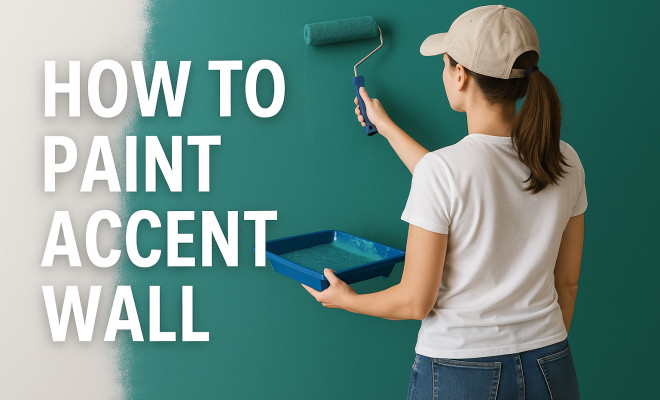
“`html
Are you looking to breathe new life into your home without committing to a complete renovation? Accent wall painting might be the perfect solution. This simple yet effective technique can dramatically alter the feel of a room, creating a focal point that showcases your style and personality. Whether you’re a DIY novice or a seasoned pro, this guide will walk you through everything you need to know about accent wall painting.
1. Understanding Accent Walls
Accent walls are a design trend that has gained immense popularity in recent years. By painting one wall a different color or pattern than the others, you create a striking contrast that draws the eye. This technique can make a room feel more expansive, cozy, or visually interesting depending on the colors and patterns you choose.
A key point to consider is the psychology of color. Different hues evoke different feelings; for instance, blue can be calming, while red is energizing. Choosing the right color for your accent wall is essential for creating the desired atmosphere in your space.
Incorporating an accent wall can also enhance the overall aesthetic appeal of a room. It can serve as a backdrop for furniture and accessories, making them stand out. For example, a bright yellow accent wall can highlight a collection of framed black-and-white photographs, creating a striking visual contrast that catches the attention of anyone who enters the room.
2. Choosing the Right Wall for Your Accent
Not every wall in your home is suitable for an accent. Ideally, you want to select a wall that naturally draws attention—perhaps it features architectural elements like a fireplace or a large piece of furniture. Additionally, consider the room’s layout and how the light interacts with the walls. A wall that receives ample natural light may look different painted than it does in shadow, so it’s crucial to test your chosen color in various lighting conditions.
Another factor to consider is the wall’s location in relation to other rooms. If your accent wall is visible from a different space, make sure that the color complements the overall color scheme of your home for a cohesive look.
For instance, if you have an open-concept living area, the accent wall in the living room should harmonize with the color of adjacent dining or kitchen walls. This creates a fluid and inviting space, making your home feel more connected and thoughtfully designed.
3. Selecting Your Color Palette
Once you’ve chosen the wall, the next step in accent wall painting is selecting your color palette. It’s beneficial to start by examining the existing colors in your room, including furnishings, fabrics, and artwork. From there, you can choose a color that either complements or contrasts these elements.
When selecting colors, consider using tools like color wheels or online apps that can help visualize how different shades will look together. Additionally, test swatches on the wall—paint small patches and observe them at different times of the day to see how they change with the light.
Don’t hesitate to explore unconventional color choices, such as dark hues for larger spaces, which can create an intimate atmosphere. Alternatively, soft pastels can enhance smaller rooms, making them feel airy and open. Using colors from the same family, like varying shades of blue or green, can also create a harmonious and soothing effect.
4. Preparation: The Key to a Flawless Finish
Preparing your wall is a crucial step in the accent wall painting process. Begin by removing any furniture or decorations that could obstruct your work. Next, clean the wall surface thoroughly to eliminate dust, grease, or any old paint that might interfere with the new paint adhering properly.
After cleaning, repair any imperfections such as holes or cracks with spackle or filler. Once everything is smooth and dry, take the time to tape off edges and trim. This will help prevent paint from going onto surfaces you don’t want to color, ensuring crisp lines and a professional-looking finish. (See: Understanding color psychology in design.)
Using a quality primer can also help achieve a consistent surface, especially if you are transitioning from a darker to a lighter color. This step not only helps the paint adhere better but can also enhance the vibrancy of your chosen accent color.
5. Tools and Materials You’ll Need
Having the right tools on hand can make your accent wall painting project much more manageable. Here’s a list of essential materials:
- Primer (if necessary)
- High-quality paint (in your chosen accent color)
- Paintbrushes and rollers (select sizes based on your wall surface)
- Painter’s tape
- Drop cloths or plastic sheeting
- Sandpaper (for smoothing repairs)
- Paint tray and liner
- Step ladder (if your wall is tall)
Investing in high-quality paint and tools will pay off in the long run, providing better coverage and a more polished appearance. Think about including a paint roller with an extension pole to make the job easier, especially if you’re working on a high wall.
Aside from the listed essentials, consider keeping a small paintbrush or touch-up paint nearby for any quick fixes that may arise after the painting is complete. Regular maintenance can keep your accent wall looking fresh and vibrant.
6. Step-By-Step Painting Process
Now that you’re prepared, it’s time to start painting! Here’s a step-by-step guide:
- Prime the Wall: If your accent color is significantly darker or brighter than the existing wall color, apply a coat of primer. This ensures even coverage and can help reduce the number of coats needed.
- Cut in the Edges: Using a paintbrush, carefully paint along the edges where the accent wall meets adjacent walls, ceilings, and trim. This technique is known as “cutting in” and helps create clean lines.
- Roll on the Paint: Using a paint roller, apply the paint to the main surface of the wall. Start from the top and work your way down. Be sure to use even strokes and reload the roller as necessary.
- Apply Additional Coats: Depending on the color and type of paint, you may need a second or even third coat for full coverage. Allow each coat to dry completely before applying the next.
- Remove Tape and Touch Up: Once the final coat is dry, carefully remove the painter’s tape. Touch up any areas as needed with a brush.
Remember, taking your time to ensure each step is executed well will yield the best results! For larger projects, consider enlisting a friend to help, making the process quicker and more enjoyable.
7. Incorporating Patterns and Textures
If you’re feeling adventurous, why not take your accent wall to the next level by incorporating patterns or textures? Techniques such as stenciling, sponging, or using painter’s tape to create geometric shapes can add a unique touch to your space.
For a more textured look, consider using wallpaper or wood panels. These materials can provide depth and interest to your accent wall, making it a true centerpiece in your home. Just be sure to plan your design carefully and test any new techniques on a small area first.
Popular patterns include stripes, chevrons, or polka dots, which can be achieved with painter’s tape. If you are using wallpaper, choose a pattern that complements your furniture style; for example, a vintage floral print may suit a rustic theme, while geometric patterns work well in modern spaces.
8. Maintaining Your Accent Wall
Once your accent wall painting project is complete, maintaining it is essential to keep it looking fresh. Dust and clean the wall regularly using a gentle cleaner appropriate for painted surfaces. Avoid abrasive materials that could scratch the finish. If you have kids or pets, be prepared to touch up the wall occasionally to keep it in pristine condition.
Additionally, consider changing your accent wall color or pattern every few years as trends evolve and your personal taste changes. This can be a fun way to keep your space feeling new and vibrant. A simple touch-up can make a significant difference in the overall ambiance of a room.
Documenting the color codes or paint types used can also be helpful for future touch-ups. When the time comes to update your accent wall, you’ll appreciate having this information handy to ensure a seamless look.
9. Current Trends in Accent Wall Painting
As of 2023, several trends in accent wall painting have emerged. Bold colors, especially deep jewel tones, are becoming increasingly popular. Shades like emerald green, navy blue, and rich burgundy can add warmth and sophistication to a room. (See: Impact of indoor colors on health.)
Another trend is the use of wallpaper with intricate patterns or textures. This is a fantastic way to make a bold statement without the commitment of paint. Additionally, integrating natural materials like reclaimed wood or stone can create a stunning focal point that adds both character and warmth.
Eco-friendly paints and materials are also gaining traction among homeowners who want to minimize their environmental impact. Brands now offer low-VOC and non-toxic paint options, making it easier to create a beautiful accent wall while being mindful of indoor air quality.
10. Inspiration for Your Accent Wall
The beauty of accent wall painting lies in its versatility and ability to reflect your unique style. Here are a few ideas to inspire your next project:
- Gallery Wall: Use your accent wall as a backdrop for a gallery of framed art or photographs. This not only personalizes the space but creates a stunning visual impact.
- Color Blocking: Consider using multiple colors on the same wall in a color-blocking technique. This playful approach can bring energy and creativity into a room.
- Nature-Inspired Themes: Take inspiration from nature with earthy tones like terracotta or forest green. These colors can create a calming and inviting atmosphere.
- Monochromatic Looks: Stick to different shades of one color for a sophisticated and harmonious effect. This technique works particularly well in minimalist spaces.
- Textured Walls: Explore the use of textured paints or faux finishes to add depth and complexity to your accent wall, turning it into a stunning centerpiece.
11. FAQs About Accent Wall Painting
What is the best color for an accent wall?
The best color for an accent wall depends on the mood you want to create and how it complements your existing decor. Bold colors like navy, deep red, or emerald green work well in larger spaces, while lighter pastel colors can brighten smaller rooms.
How do I choose an accent wall?
Choose a wall that naturally draws attention, such as one with architectural features, furniture, or a fireplace. Additionally, consider visibility from other rooms to maintain a cohesive look throughout your home.
Can I paint an accent wall in a small room?
Absolutely! In smaller rooms, a well-chosen accent wall can add depth and make the space feel larger. Lighter colors can expand the feel of the room, while darker shades can create warmth.
How long does it take to paint an accent wall?
The time it takes to paint an accent wall varies based on size and complexity. Generally, you should allow a few hours for preparation, followed by a few hours for painting, including drying time between coats.
Should I use a primer on my accent wall?
Using a primer is recommended, especially if the new color is significantly different from the existing paint or if you’re painting over a darker color. Primer helps with adhesion and can reduce the number of paint coats needed.
What if I make a mistake while painting?
Mistakes happen! If you accidentally paint over an area, wait for it to dry and apply a touch-up with a brush in the matte paint. If you make a larger error, using a damp cloth to quickly wipe away the excess paint can save you from having to repaint the entire wall.
12. Final Thoughts on Accent Wall Painting
Accent wall painting is not just about color; it’s about expressing your individuality and enhancing your living space. With the right preparation, tools, and a bit of creativity, you can transform any room into a stylish sanctuary. So gather your supplies, put on your favorite playlist, and get started on making your accent wall a standout feature in your home!
13. Accent Wall Ideas for Different Rooms
Every room in your home can benefit from an accent wall, but the choices for colors and styles can differ based on the purpose and mood of the space. Here are some tailored suggestions:
Living Room
In the living room, consider a bold shade like deep teal or rich maroon for a cozy vibe. Pair it with lighter furniture to create balance. Alternatively, a muted gray or beige can serve as an elegant backdrop for artwork or a flat-screen TV. (See: Latest trends in home design.)
Bedroom
For the bedroom, soft greens or calming blues can create a soothing atmosphere conducive to rest. A patterned wallpaper featuring subtle floral designs can also add a romantic touch without overwhelming the senses.
Home Office
Create a productive environment in your home office with energizing colors like bright yellow or orange. These shades can inspire creativity and focus. If you prefer something calmer, consider a cool gray with white trim for a modern touch.
Dining Room
In the dining room, warmer tones such as terracotta or rustic reds can stimulate appetite and conversation. Pair these colors with wooden accents for a more inviting feel. For a contemporary look, choose a vibrant pattern that reflects your personal style.
14. Common Mistakes to Avoid
As you embark on your accent wall journey, being aware of common pitfalls can save you time and frustration:
- Choosing the Wrong Color: Always test samples before committing. Colors can look different under various lighting conditions.
- Overlooking Lighting: Consider how natural and artificial lighting will affect your chosen color throughout the day.
- Neglecting Preparation: Skipping cleaning or priming can lead to poor paint adhesion and an uneven finish.
- Ignoring the Flow: Make sure your accent wall complements adjacent rooms and doesn’t feel out of place.
- Too Many Patterns: While patterns can be fun, too many clashing designs can overwhelm a space. Keep it simple for a more cohesive look.
15. Expert Tips for a Successful Accent Wall
To elevate your accent wall project, consider these insights from interior designers and painting professionals:
- Use High-Quality Paint: Investing in high-quality paint not only ensures longevity but also enhances the finish.
- Experiment with Texture: Don’t shy away from textured paints or finishes; they can add depth and complexity to your wall.
- Consider the Room’s Purpose: Align your color choice with the room’s function—calming colors for bedrooms, vibrant ones for playrooms.
- Blend with Decor: Ensure your accent wall harmonizes with existing decor elements, from furniture to artwork.
- Stay True to Your Style: Ultimately, your accent wall should reflect your personal taste and style, making it uniquely yours.
16. Accent Wall Painting: The Eco-Friendly Choice
In an era where sustainability is key, consider opting for eco-friendly paint options. Low-VOC (Volatile Organic Compounds) and non-toxic paints are not only better for the environment but also for your indoor air quality. Here are a few brands that are leading the charge:
- Benjamin Moore: Known for their eco-friendly paint lines, they offer various colors that are both beautiful and safe for your home.
- Behr: Their Premium Plus line is zero-VOC and comes in a wide range of colors, ensuring you don’t sacrifice style for sustainability.
- Valspar: Featuring a low-VOC paint option, Valspar provides quality and a myriad of shades, perfect for your accent wall.
Using eco-friendly paint also aligns with the growing trend of sustainable living, making your home improvement both stylish and responsible.
17. Conclusion
Accent wall painting is a fantastic way to express your creativity and enhance the character of your home. Whether you prefer bold hues, subtle tones, or intricate patterns, the possibilities are endless. By following the guidelines and tips provided, you can confidently transform any space into a reflection of your unique style.
“`
Trending Now
Frequently Asked Questions
What is an accent wall?
An accent wall is a single wall in a room painted a different color or pattern than the other walls, creating a striking contrast. This design technique helps to draw attention and can significantly alter the room's atmosphere and aesthetic appeal, making it feel more expansive or cozy depending on the chosen colors.
How do you choose the right color for an accent wall?
Choosing the right color for your accent wall involves understanding color psychology. Different colors evoke different feelings; for example, blue is calming while red is energizing. Consider the mood you want to create and test your chosen color in various lighting conditions to see how it looks at different times of day.
Which wall should I choose for an accent wall?
Select a wall that naturally draws attention, such as one featuring architectural elements like a fireplace or large furniture. It's also important to consider the room's layout and how natural light interacts with the wall, as this can affect how the color appears.
Can an accent wall make a room look bigger?
Yes, an accent wall can create the illusion of a larger space. By painting one wall a different color, it can visually expand the room, especially if you choose lighter colors or patterns that draw the eye upward. This technique can enhance the overall perception of space in a room.
What are some popular colors for accent walls?
Popular colors for accent walls include bold shades like navy blue, deep green, and rich burgundy, which add drama, as well as lighter hues like soft gray or pastel tones for a more subtle look. Bright colors like yellow or orange can energize a space, while neutrals can create a calming effect.
What’s your take on this? Share your thoughts in the comments below — we read every one.