How to make chicken coop
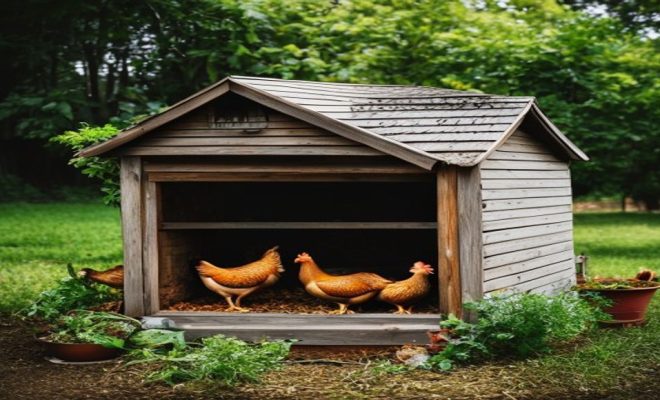
“`html
Building a chicken coop isn’t just about sheltering your feathered friends; it’s about creating a space that promotes their health and happiness while also being aesthetically pleasing and functional for you. Whether you’re a hobbyist or looking to raise chickens for eggs or meat, understanding the nuances of chicken coop design can make all the difference. Let’s dive into how to create the perfect chicken coop that meets the needs of both you and your chickens.
1. Understanding Your Chickens’ Needs
Before you even think about materials and dimensions, it’s crucial to understand what your chickens need to thrive. Chickens require a secure environment to protect them from predators, proper ventilation to keep the air fresh, and enough space to roam without feeling cramped.
A standard guideline is to provide at least 4 square feet of indoor space per chicken in the coop and 8-10 square feet per bird in an outdoor run. These measurements can vary depending on the breed; larger breeds may need more space. Moreover, chickens are social animals and thrive in flocks, so consider how many birds you plan to keep when designing the coop.
2. Choosing the Right Location
The location of your chicken coop is just as vital as its design. Look for a spot that is dry, well-drained, and receives some sunlight throughout the day. Chickens enjoy sunlight for warmth and it helps them produce vitamin D, which is essential for their health.
Avoid low-lying areas that may collect water, as wet environments can foster diseases. Also, consider your neighbors; keeping the coop a reasonable distance from property lines can help maintain good relations. If possible, plant some shrubs or trees around the coop for additional shade and protection, which can also serve as a natural windbreak.
3. Essential Elements of Chicken Coop Design
When designing your chicken coop, focus on several critical elements: ventilation, insulation, nesting boxes, and perches. Proper ventilation is essential for maintaining air quality and reducing humidity, which can lead to respiratory issues in chickens. Incorporate windows and vents, ensuring they can be opened and closed as needed.
Insulation helps keep the coop warm during winter and cool in summer. Use materials like foam boards or straw bales. Nesting boxes, ideally one for every three to four hens, should be placed in quiet, low-traffic areas to encourage egg-laying. Perches are also vital for allowing chickens to roost at night, promoting their natural behaviors. A perch height of around 2-3 feet is optimal.
4. Materials for Your Chicken Coop
The materials you choose can greatly influence the longevity and functionality of your chicken coop. Common materials include wood, metal, and plastic. Wood is popular for its balance of aesthetics and functionality, but it requires regular maintenance to prevent rot and pests.
Metal coops, like those made from galvanized steel, are durable and resistant to pests, but they can be more expensive and may not provide adequate insulation. Plastic is lightweight and easy to clean, making it an attractive option for many backyard farmers. Whichever materials you choose, ensure they are safe for chickens and can withstand local weather conditions.
5. Designing the Coop Layout
Once you have your materials, the next step is to plan the layout of the coop. Think about how the space will be utilized, keeping in mind the essential elements discussed earlier. A basic layout includes an enclosed area for roosting, a section for nesting boxes, and an outdoor run for exercise.
Consider integrating a run that allows chickens to forage while still being safe from predators. If space allows, create a separate area where chickens can dust bathe, which is essential for their health. A well-thought-out layout not only enhances the chickens’ quality of life but also makes maintenance easier for you. (See: CDC on healthy chickens.)
6. Incorporating Security Measures
Predators are one of the biggest threats to your chickens, so it’s essential to design a coop that keeps them safe. Use hardware cloth with a small mesh size instead of chicken wire, as it’s more resistant to predators. Make sure the coop is elevated from the ground to prevent digging from below.
Install locks on doors and lids, and consider adding an automatic door that opens and closes at specific times to keep chickens in and predators out. Regularly inspecting the coop for weak spots will help keep your flock safe over the long term.
7. Maintaining Your Chicken Coop
No matter how well-designed your chicken coop is, regular maintenance is key to ensuring a healthy environment. This includes cleaning out droppings, replenishing bedding, and checking for wear and tear on the structure. Change bedding every few weeks and thoroughly clean the coop at least once a month to prevent diseases.
Consider using a deep litter system where you allow organic matter to build up over time, providing warmth and reducing odor. This method also allows beneficial microbes to thrive, improving the overall health of the coop environment.
8. Choosing the Right Chickens for Your Coop
Not all chickens are created equal, and your choice will depend on your goals—whether for egg production, meat, or simply as pets. Popular breeds for egg-laying include Rhode Island Reds and Leghorns, while meat breeds like Cornish Cross are known for their rapid growth.
Each breed has its unique temperament and needs. Some are more social while others are more independent. Make sure to research the breeds that will thrive in your environment and that will get along with each other. This will help create a harmonious living situation for both you and your chickens.
9. Embracing Sustainable Practices
As awareness of sustainability grows, many chicken owners are looking for ways to reduce their environmental impact. Consider using solar panels to power lights in your coop or rain barrels to collect water for cleaning and watering the chickens.
Composting chicken waste can also be an excellent way to create nutrient-rich fertilizer for your garden. By embracing these sustainable practices, you can promote a healthier environment for your chickens and contribute positively to your local ecosystem.
10. Understanding the Cost of Chicken Coop Design
When planning your chicken coop, it’s essential to understand the potential costs involved. This can range widely based on the size of your coop, materials used, and additional features like ventilation systems or automatic doors. On average, building a chicken coop can cost anywhere from a few hundred to several thousand dollars.
For a basic coop for a small flock, expect to spend around $300 to $500, using wooden pallets and basic hardware. If you opt for more durable materials or larger size, the price can easily reach $1,000 or more. It’s wise to draft a budget that includes the initial costs and ongoing maintenance expenses, like bedding and feed, to ensure you’re well-prepared.
11. Best Chicken Coop Designs to Consider
There are several designs you can consider for your chicken coop, each with unique benefits. A traditional A-frame style is easy to construct and allows for good ventilation, while a modern, insulated coop can provide year-round comfort.
Consider the mobile chicken coop design, also known as a chicken tractor. This setup allows you to move the coop around your yard, giving your chickens fresh grass and eliminating the need for a permanent run. Alternatively, a multi-level design can maximize vertical space, perfect for those with smaller backyards.
Researching various designs can inspire a coop that fits your space, aesthetic, and breeding needs. (See: NIH on chicken health.)
12. Community and Resources for Chicken Enthusiasts
Joining a community can be incredibly beneficial if you’re new to raising chickens or looking to enhance your chicken coop design. Local farming groups, online forums, and social media groups can provide support, ideas, and tips from experienced chicken keepers.
Look for local workshops or meetups to connect with others who share your interest in poultry. Websites and books dedicated to chicken care often have sections on coop design, and you can find many resources with blueprints and videos to guide you through the construction process.
13. FAQ: Common Questions About Chicken Coop Design
What size coop do I need for my chickens?
A general rule of thumb is to allow 4 square feet of indoor space per bird and 8-10 square feet for outdoor runs. This ensures your chickens have adequate room to move around comfortably.
How can I keep my chickens warm in winter?
Insulation is key to keeping your coop warm. Adding straw bales, foam boards, or even using heat lamps can help maintain a comfortable environment. Ensure proper ventilation to avoid moisture buildup, which can lead to frostbite.
What should I use for bedding in the coop?
Common bedding materials include straw, wood shavings, or hay. Each has its benefits; for instance, straw provides excellent insulation and is very absorbent, while wood shavings are easier to clean and help control odors.
Do chickens need to go outside every day?
Yes, chickens should have daily access to the outdoors. This allows for natural behaviors like foraging and dust bathing, which are essential for their physical and mental well-being.
How often should I clean the chicken coop?
It’s recommended to clean out droppings and replace bedding weekly for smaller flocks. A more thorough cleaning should be done at least once a month to ensure a healthy environment and prevent diseases.
14. Innovative Features to Consider for Your Chicken Coop
If you’re looking to take your chicken coop design to the next level, consider adding features that enhance both functionality and the comfort of your chickens. Automatic feeders can reduce the daily workload, ensuring your chickens have consistent access to food without constant refilling.
Another fun feature is a chicken run with a roof made from netting to protect from aerial predators while allowing for sunlight and rain. You might also consider a rainwater collection system that channels water directly into a storage barrel for watering, promoting sustainability.
Think about incorporating a small vegetable garden near your coop. Chickens naturally help with pest control, and the produce can supplement their diet. (See: Wikipedia page on chickens.)
15. Tips for First-Time Chicken Owners
If you’re new to raising chickens, start with a small flock to understand their behavior and needs. Research basic care, like feeding, health issues, and social dynamics, to ensure your chickens thrive. Join local chicken-keeping groups to gain knowledge from others’ experiences.
Take time to watch your chickens interact; understanding their social cues will help you identify any issues early on. Being patient and adaptable will benefit both you and your new feathered friends.
16. Understanding Chicken Behavior
Understanding chicken behavior is crucial for creating a supportive environment that enhances their wellbeing. Chickens are naturally curious animals, and providing enrichment can keep them engaged. This includes items like hanging vegetables, pecking toys, or mirrors that stimulate their curiosity. Chickens also have a social hierarchy, known as a pecking order, which dictates their interactions and can influence their living situation. Familiarizing yourself with these dynamics can help in managing your flock effectively.
17. Health and Wellness of Your Chickens
Regular health check-ups are essential for your chickens. Monitor for signs of illness such as lethargy, lack of appetite, or unusual droppings. Vaccinations and parasite control should be part of your routine care. Consider consulting with a veterinarian specialized in poultry to establish a health plan tailored to your flock’s specific needs. Keeping a record of each chicken’s health status can help in early detection of any potential issues.
18. Integrating Technology in Chicken Coop Design
As technology evolves, so do the options for managing your chicken coop. Smart feeders can dispense food at set intervals, while temperature and humidity sensors can help maintain optimal conditions within the coop. Some chicken owners use cameras to monitor their flock remotely, providing peace of mind and allowing for quick action if something goes amiss. Embracing technology can simplify your maintenance tasks while ensuring your chickens are always taken care of.
19. Choosing the Right Chicken Feed
Your choice of feed can have a significant impact on the health and productivity of your flock. Look for feeds that are formulated for the specific age and purpose of your chickens—layer feed for hens, starter or grower feeds for chicks. Additionally, consider adding kitchen scraps or grains to their diet for variety, but be cautious to avoid foods that are harmful to chickens like chocolate or avocados. Proper nutrition will not only ensure the wellbeing of your chickens but also enhance egg production.
20. Future Adaptations for Your Chicken Coop
As your experience grows and your flock expands, you might find that your initial chicken coop design needs adjustments. Consider designing your coop with future adaptations in mind—such as the ability to add more nesting boxes, expand the run, or incorporate a heat source during colder months. This foresight will save you time and resources later on, ensuring your coop remains functional as your needs change.
In summary, building a chicken coop involves much more than throwing together some wood and wire. It’s about creating a safe, comfortable, and functional environment for your chickens that meets their needs while also being manageable for you. With careful planning and execution, you can design a coop that not only houses your chickens but also enhances your backyard space and your gardening practices.
“`
Trending Now
Frequently Asked Questions
What do chickens need in a coop?
Chickens require a secure environment to protect them from predators, proper ventilation for fresh air, and sufficient space to roam. A standard guideline is at least 4 square feet of indoor space and 8-10 square feet of outdoor run space per chicken, depending on the breed.
How much space do chickens need in a coop?
Chickens need a minimum of 4 square feet of indoor space and 8-10 square feet of outdoor space per bird. Larger breeds may require more space to ensure their comfort and well-being.
Where should I place my chicken coop?
Choose a dry, well-drained location that receives sunlight, which is vital for chickens' health. Avoid low-lying areas that can collect water and maintain a reasonable distance from property lines to keep good relations with neighbors.
What are the essential elements of a chicken coop?
Key elements include proper ventilation, insulation, nesting boxes, and perches. These features help maintain a healthy environment for chickens, providing comfort and encouraging natural behaviors.
Do chickens need sunlight in their coop?
Yes, chickens benefit from sunlight as it helps them produce vitamin D, essential for their health. A coop that receives some sunlight throughout the day contributes to their overall well-being.
Agree or disagree? Drop a comment and tell us what you think.