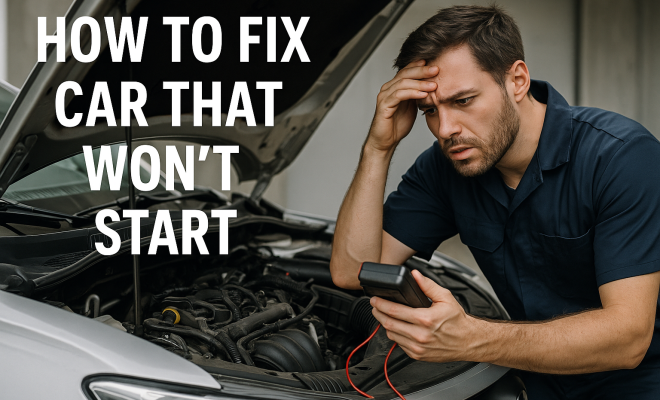
How to fix car that won’t start
“`html
We’ve all been there: you hop in your car, turn the key, and… nothing happens. It’s a frustrating scenario and one that can throw your entire day off course. However, before you panic or call for a tow truck, there are several steps you can take to troubleshoot the problem. This guide offers an in-depth look at how to fix the common issue of a car that won’t start, ensuring you have the knowledge to tackle the situation head-on.
1. Check the Battery
The battery is often the primary suspect when your car won’t start. A dead battery can result from leaving the headlights on, a faulty alternator, or even just old age. To check the battery, look for signs of corrosion on the terminals, which can prevent a proper connection. If you see any, clean it off with a mixture of baking soda and water.
If the battery terminals appear fine, test the battery’s voltage. A fully charged battery should read around 12.6 volts; anything below 12.4 volts indicates a battery that may be weak or dead. If you suspect the battery is the issue, you can jump-start your car using jumper cables and a second vehicle. If your car starts, it might be time for a new battery or further investigation into your charging system.
2. Inspect the Ignition System
If the battery checks out, the next area to investigate is the ignition system. The ignition system consists of several key components, including the ignition switch, spark plugs, and ignition coils. A faulty ignition switch can prevent your car from getting the power it needs to start. When attempting to turn the key, if you notice any dashboard lights flickering or no sounds at all, the ignition switch could be the culprit.
Additionally, if you hear a clicking noise when you turn the key but the engine doesn’t start, it could indicate that the starter motor isn’t receiving enough power or that the spark plugs are worn out. Inspect your spark plugs for wear and replace them if necessary. Remember, ensuring your ignition system is in good shape is vital for a successful car won’t start fix.
3. Examine the Fuel Supply
Another critical component to check is the fuel system. A car won’t start if it doesn’t have fuel to ignite. Start by checking your fuel gauge; you might be surprised how often people forget to refuel! If you’re sure there’s gas in the tank, consider inspecting the fuel pump. A faulty fuel pump won’t deliver the necessary fuel to the engine, and you may hear a whining noise when you turn the ignition on.
Furthermore, clogged fuel filters can also prevent the proper flow of gasoline to your engine. If the fuel filter hasn’t been replaced in a while, it may be worth changing it as a part of your car won’t start fix checklist. Additionally, check the fuel lines for any leaks or blockages that may hinder fuel delivery.
4. Test the Starter Motor
The starter motor is the component responsible for cranking the engine when you turn the key. If it’s not functioning correctly, your car will not start. Signs that your starter motor may be failing include a clicking sound when you turn the key, or a grinding noise. To test the starter motor, you can use a multimeter to check for voltage at the starter terminal when the key is turned. If you don’t see any voltage, it may indicate an issue with the ignition switch or wiring.
If you suspect the starter is the problem, you can often resolve the issue by tapping it gently with a hammer. Sometimes, this can free up any sticking components. However, if the starter is indeed faulty, it will likely need to be replaced entirely. Addressing starter issues promptly can help prevent being stranded without a working vehicle.
5. Assess the Fuses and Relays
Electrical issues can be a significant barrier to your car starting. It’s essential to check the fuses and relays associated with the ignition and fuel systems. A blown fuse may cut power to the ignition system or fuel pump, preventing your car from starting altogether. Consult your owner’s manual for the location of the fuse box and which fuses to check. (See: Vehicle batteries information.)
After locating the relevant fuses, visually inspect them for any damage or breakage. If you find a blown fuse, replace it with one of the same amperage. Furthermore, relays can also malfunction and disrupt the electrical circuits. If you suspect a relay issue, swapping it with a similar relay in the vehicle can help determine if that’s the problem.
6. Investigate Security Systems
Modern vehicles often come equipped with advanced security systems that can sometimes prevent the car from starting. If your car won’t start and you notice your dashboard lights are behaving unusually, it may be due to the security system being engaged. For instance, a blinking immobilizer light could indicate that your vehicle doesn’t recognize the key or fob.
To resolve this, ensure you are using the correct key. If you have a spare key, try using it to see if the car starts. If the issue persists, consult your owner’s manual for specific instructions on resetting the security system. In some cases, disconnecting the battery for a few minutes may reset the system and allow your car to start.
7. Look for Engine Problems
Sometimes, the issue stems from deeper engine problems. If you can hear the engine cranking, but it still won’t start, it could be a sign of internal engine trouble. A lack of compression in the cylinders can prevent the engine from running, which may result from worn piston rings or damaged valves.
If you suspect engine issues, performing a compression test can help identify the problem. If the compression is low in one or more cylinders, it may be necessary to seek professional help to diagnose and repair the issue. Remember, timely intervention can prevent further damage and costly repairs down the line.
8. Seek Professional Help
If you’ve gone through the above steps and still can’t find the cause of your car not starting, it may be time to consult a mechanic. Sometimes the issues can be complex and require specialized diagnostic tools or expertise. A professional can conduct a thorough inspection and pinpoint any underlying problems that may not be immediately apparent.
Additionally, if your car is still under warranty, you might want to consider taking it to an authorized dealer. It’s crucial to keep any documentation of the repairs you’ve attempted, as this can help the mechanic understand the situation better and provide a faster resolution.
9. Preventative Measures
Once you’ve resolved your car won’t start issue, consider preventative measures to avoid future problems. Regular maintenance is key to keeping your vehicle running smoothly. This includes checking the battery, changing spark plugs, and ensuring the fuel system is clean and free from obstructions. Routine inspections can help you catch issues before they escalate.
Additionally, be mindful of your driving habits. Avoiding short trips that prevent your battery from fully charging can extend its lifespan. If your car is going to sit for an extended time, consider using a battery maintainer to keep it charged. By taking proactive steps, you can significantly reduce the chances of facing a no-start scenario in the future.
10. Common Causes of a Car That Won’t Start
Understanding the common causes behind a car that won’t start can save you time and frustration. Here are some frequent culprits: (See: Motor vehicle safety guidelines.)
- Dead Battery: Often the first thing to check. A dead battery can also result from a faulty alternator.
- Bad Starter Motor: A worn-out starter can lead to clicking sounds but no engine crank.
- Fuel Issues: Empty tank, blocked fuel filter, or malfunctioning fuel pump can all stall the starting process.
- Faulty Ignition System: Worn spark plugs or malfunctioning ignition coils can prevent engine firing.
- Electrical Malfunctions: Blown fuses or defective relays can disrupt power supply to essential components.
Being aware of these can help you focus your troubleshooting efforts more effectively.
11. Statistics on Car Starting Failures
According to a study by the American Automobile Association (AAA), nearly 15% of all roadside assistance calls are related to battery issues. This highlights how common dead batteries are, particularly in extreme weather conditions. Additionally, a survey indicated that about 10% of drivers have experienced a starting issue at least once in the past year. These statistics underscore the importance of preventive maintenance and prompt attention to warning signs.
12. Expert Perspectives on Troubleshooting
Auto experts recommend starting with the simplest solutions before moving on to more complex diagnostics. Bob Smith, an automotive technician with over 20 years of experience, states, “Always check the battery first. It’s the most common issue and is the easiest to fix. Many drivers overlook it, which can lead to unnecessary frustration.” He also emphasizes the importance of understanding your vehicle’s specific systems through the owner’s manual. “Knowing where your fuses are located or how to reset your security system can save you a lot of time and money,” Smith adds.
13. FAQs About Car Won’t Start Fix
What should I do if my car won’t start and I hear a clicking noise?
A clicking noise often indicates that your starter motor isn’t getting enough power. First, check your battery and connections. If they are fine, the starter may need to be replaced.
How can I tell if my fuel pump is working?
Turn the key to the “on” position without starting the engine. You should hear a faint humming noise from the fuel tank area. If you don’t hear anything, the fuel pump may be faulty.
Can a bad alternator cause my car to not start?
Yes, a bad alternator can lead to a dead battery, which in turn prevents your car from starting. If you suspect alternator issues, have it tested as it might not be charging the battery properly.
Why does my car start sometimes and not others?
This intermittent issue can result from electrical problems, a failing starter, or even a weak battery. It’s essential to have it diagnosed as soon as possible to avoid being stranded.
What is the average lifespan of a car battery?
Most car batteries last between 3 to 5 years, depending on usage and climate. Regular checks can help you identify when it’s time for a replacement.
14. Understanding Different Types of Batteries
When dealing with your car won’t start fix, knowing about the types of batteries can be beneficial. Most cars use either lead-acid batteries or absorbed glass mat (AGM) batteries. Lead-acid batteries are the traditional type and are generally less expensive. However, they may not perform as well in extreme temperatures.
On the other hand, AGM batteries are more robust and provide higher performance, especially in cold weather. They are also more resistant to vibration and can be mounted in various positions. If your car is prone to starting issues, considering an upgrade to an AGM battery could be a good move.
15. How Weather Affects Car Starting
Weather plays a significant role in vehicle performance. Cold weather can cause battery fluid to thicken, making it harder for the battery to provide enough power to start your engine. In fact, AAA reports that batteries can lose up to 60% of their strength in very cold temperatures. Conversely, extreme heat can also damage a battery’s internal structure, leading to premature failure.
To mitigate these effects, consider parking your car in a garage or using a battery blanket during the winter months. Furthermore, maintaining your battery’s health through regular inspections can help you avoid unpleasant surprises during extreme weather.
16. Signs Your Battery Needs Replacement
It’s not always obvious when your battery is on its last legs. Here are some signs that it might be time for a replacement:
- Slow Engine Crank: If you notice that your engine is slow to start, it may indicate that the battery is struggling to provide enough power.
- Dashboard Warning Light: A battery warning light on your dashboard is a clear indication that your battery or charging system may need attention.
- Swollen Battery Case: If the battery case appears swollen or bloated, it’s likely due to excessive heat and indicates a need for replacement.
- Frequent Jump Starts: If you find yourself needing to jump-start your car regularly, it’s a sign that the battery may no longer hold a charge effectively.
17. Helpful Tools for Troubleshooting
Equipping yourself with the right tools can make troubleshooting much smoother. Here are some useful tools to have on hand:
- Multimeter: Essential for checking battery voltage and diagnosing electrical issues.
- Jump Starter: A portable jump starter can be a lifesaver if your battery dies unexpectedly.
- OBD-II Scanner: This tool can help you read diagnostic trouble codes if the issue is related to your vehicle’s onboard computer.
- Basic Tool Kit: Having a tool kit with wrenches, screwdrivers, and pliers can assist in making quick repairs.
18. Car Maintenance Tips to Prevent Starting Issues
Preventing issues before they arise is always better than dealing with a malfunction. Here are some maintenance tips to ensure your vehicle starts reliably:
- Regular Battery Checks: Inspect the battery terminals for corrosion and ensure the connections are tight.
- Fuel System Maintenance: Replace fuel filters as recommended and keep your gas tank at least a quarter full to prevent fuel pump damage.
- Ignition System Upkeep: Change spark plugs according to your owner’s manual, and consider testing ignition coils periodically.
- Routine Inspections: Have your vehicle checked regularly by a professional to catch any potential problems early.
In summary, a car that won’t start can be a daunting problem, but with the right knowledge and approach, you can troubleshoot and potentially fix the issue yourself. From checking the battery to investigating deeper engine problems, each step is crucial in diagnosing the problem correctly. By being diligent and proactive in your car maintenance, you can minimize the chances of running into a no-start situation again.
“`
Trending Now
Frequently Asked Questions
What should I check first if my car won't start?
The first thing to check is the battery. Look for signs of corrosion on the terminals and test the battery's voltage. A fully charged battery should read around 12.6 volts. If it's below 12.4 volts, your battery may be weak or dead.
How can I tell if my car battery is dead?
A dead battery may show signs like dim headlights or no dashboard lights when you turn the key. You can also test the battery's voltage; anything below 12.4 volts indicates it may need to be replaced.
What does it mean if my car makes a clicking noise but won't start?
A clicking noise when you turn the key usually indicates that the starter motor isn't receiving enough power. This could be due to a weak battery or issues with the ignition system, such as worn spark plugs.
How do I check my car's ignition system?
Inspect the ignition system by checking components like the ignition switch, spark plugs, and ignition coils. If you notice flickering dashboard lights or hear clicking sounds, the ignition switch may be faulty.
Can I jump-start my car if the battery is dead?
Yes, you can jump-start your car using jumper cables and a second vehicle. If your car starts after the jump, it may indicate a weak battery that needs replacement or further inspection of the charging system.
Have you experienced this yourself? We’d love to hear your story in the comments.