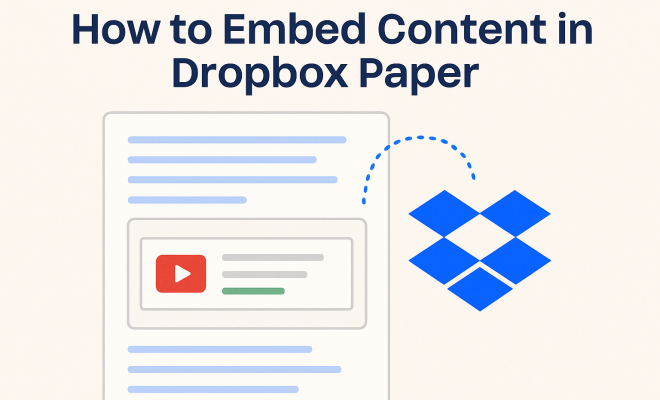
How to embed content in Dropbox Paper
“`html
1. What is Dropbox Paper?
Dropbox Paper is a collaborative workspace that brings together your teams, ideas, and projects all in one place. Launched by Dropbox in 2017, it allows users to create and manage documents in a flexible, easy-to-use environment. Unlike traditional word processors, Paper emphasizes collaboration, enabling multiple users to edit documents simultaneously, leave comments, and provide feedback in real time. The platform is designed to be intuitive, making it accessible for individuals and teams alike.
One of the standout features of Dropbox Paper is its ability to embed various types of content, which enhances the way users present information and engage with their audience. By embedding content, users can integrate different media formats directly into their documents, making it easier to create a comprehensive and interactive working environment. This capability is crucial in today’s fast-paced work landscape, where visual aids and multimedia play a significant role in effective communication.
2. Why You Should Embed Content in Dropbox Paper
Embedding content in Dropbox Paper can transform static documents into dynamic presentations. This is particularly beneficial for teams that rely on visuals to convey complex ideas or for those who want to create engaging reports. By incorporating images, videos, and other multimedia elements, you can capture attention and improve comprehension, making your documents not only more informative but also more enjoyable to read.
Moreover, embedding content fosters collaboration and creativity. When team members can easily share and access embedded resources, they’re more likely to contribute ideas and provide feedback. This collective effort can lead to richer content creation and a more cohesive understanding of project goals. In a sense, embedding content in Dropbox Paper acts as a catalyst for teamwork, driving innovation and collective input.
Additionally, embedded content can significantly enhance user engagement. Research shows that documents with visual elements are more likely to be read and shared. In fact, reports suggest that articles with images receive 94% more views than those without. This is a strong indicator that if you embed content in Dropbox Paper effectively, you can improve your team’s productivity and communication.
3. How to Embed Images in Dropbox Paper
Embedding images is one of the simplest yet most effective ways to enhance your Dropbox Paper documents. To do this, you can either upload an image directly from your computer or use an image URL. If you choose to upload, click on the “+” icon or type “/image” to insert an image block. Then, select the image file you want to use from your device. Once uploaded, you can adjust the size and placement to fit your layout.
Alternatively, if you want to embed an image from an external source, you simply need to copy the image URL. In your Paper document, type “/embed” followed by the URL. Dropbox Paper will automatically fetch and display the image. This method is particularly useful for incorporating visuals from websites, social media platforms, or other online resources without needing to download them first.
For best results, ensure that the images you embed are high quality and relevant to your text. Low-resolution images can detract from the professionalism of your document. Additionally, alt text can be added for accessibility, ensuring that everyone can understand the context of your visuals, regardless of their ability to see them.
4. Embedding Videos: A Step-by-Step Guide
Video content can significantly amplify the impact of your documents. To embed a video in Dropbox Paper, you can utilize platforms like YouTube or Vimeo. Start by copying the video URL from the respective platform. Then, in your Dropbox Paper document, type “/embed” and paste the video link. Dropbox Paper will automatically convert the link into an embedded video player.
This feature allows team members to view the video directly within the document without navigating away. It’s particularly useful for enhancing presentations, providing tutorial content, or adding context to project discussions. Embedding videos not only makes your document more engaging but also allows for a richer sharing of knowledge and learning experiences.
Consider using videos to showcase project updates, record meetings, or explain complex concepts. For instance, if you’re launching a new product, you could embed a video that gives an overview of its features or a demonstration. This can save time in meetings and provide a more engaging format for information dissemination. (See: Learn more about Dropbox.)
5. Integrating Google Docs and Sheets
Dropbox Paper provides the ability to embed Google Docs and Sheets, facilitating seamless collaboration across platforms. To do so, first, ensure that the document or spreadsheet is set to be viewable by anyone with the link (you can adjust sharing settings in Google Drive). Then, copy the shareable link.
In your Dropbox Paper document, type “/embed” and paste the link. This will create an embedded view of the Google Doc or Sheet directly in your Paper workspace. This integration is excellent for teams that already use Google Workspace, as it allows for easy access to essential documents and updates without needing to switch between applications.
Embedding Google Sheets can be particularly advantageous for project tracking and data analysis. Imagine having a live spreadsheet embedded in your document that updates automatically as your team makes changes. This can eliminate confusion and ensure everyone is on the same page regarding project metrics or budgets.
6. Embedding Links and Other Web Content
In addition to images and videos, you can embed links to other online content. This can include articles, research papers, or relevant web pages that support your project. To embed a link, simply copy the URL and paste it into your Dropbox Paper document. The platform will automatically recognize it as a link and create a clickable reference.
This functionality is particularly valuable for research projects or collaborative brainstorming sessions where supplementary resources can enhance discussions. By embedding links, you create a comprehensive resource hub that allows team members to access relevant information quickly, fostering an informed decision-making process.
Incorporating links can also enrich your document by providing additional perspectives. For example, if you’re discussing a market trend, link to studies or articles that support your viewpoint. This not only boosts your credibility but also encourages critical thinking among your team members.
7. Using Dropbox Files in Your Paper Document
If you have files stored in your Dropbox account, you can embed them directly into your Paper documents. This feature streamlines the workflow by allowing you to access essential files without leaving the Paper workspace. Simply click on the “+” icon or type “/file” to insert a file block, then select the file from your Dropbox.
Embedding Dropbox files is especially beneficial for project management, allowing you to link relevant documents and resources directly within your project notes. This ensures that all team members have quick access to the necessary materials, improving efficiency and organization in collaborative efforts.
For example, if you are working on a proposal, you might embed drafts, budget spreadsheets, and timelines directly into your Paper document. This way, everything needed for the proposal is easily accessible in one location, making it simpler for team members to provide input and stay updated.
8. Enhancing Collaboration with Comments and Tasks
Beyond embedding content, Dropbox Paper excels at fostering collaboration through its comment and task features. When you embed content, you can leave comments directly next to specific sections or pieces of media. This creates a dialogue around the embedded material, allowing team members to share insights, ask questions, and provide feedback in real time.
Additionally, you can create tasks associated with embedded content. For example, if you embed a video that requires team members to review, you can assign a task to them for accountability. This integration of comments and tasks turns your Paper document into a living project management tool that helps track progress and encourages active participation from all team members.
Furthermore, the ability to tag team members in comments allows for targeted discussions. If you want specific feedback on an embedded video, you can mention the relevant person, ensuring they receive a notification. This feature helps streamline communication, making it clear who is responsible for which aspects of the project. (See: Effective communication strategies.)
9. Best Practices for Embedding Content in Dropbox Paper
To make the most of your embedded content, consider a few best practices. First, ensure that any embedded media is relevant and enhances your document’s purpose. Avoid overloading your Paper document with too many embedded items, as this can distract from the main message. (dynamic presentations in Google Classroom)
Second, maintain a clear structure in your document. Use headings, bullet points, and spacing to create a visually appealing layout that guides readers through the content. Lastly, keep your team’s preferences in mind. Crafting a shared style or standard for how you embed content can lead to a more cohesive and professional presentation across all your documents.
Also, keep an eye on loading times. Too many embedded elements can slow down the document’s performance, which may frustrate users. Regularly review and optimize the content you embed to ensure it enhances rather than hinders accessibility and user experience.
10. Common Use Cases for Embedding Content in Dropbox Paper
Embedding content in Dropbox Paper can be applied in various scenarios, enhancing the functionality of your documents. Here are a few common use cases:
- Meeting Notes: Create a dynamic record of meetings by embedding relevant videos, slideshows, or documents. This allows participants to revisit discussions and access essential resources quickly.
- Project Proposals: Use embedded content to showcase case studies, design concepts, or data analyses directly within your proposal, providing stakeholders with a comprehensive view of your ideas.
- Training Materials: Compile training resources by embedding instructional videos, guides, and quizzes. This can facilitate easier onboarding for new team members.
- Research Projects: Link to and embed studies, articles, and datasets to create a rich research document that supports your findings and encourages further exploration.
Each use case demonstrates how embedding content can foster collaboration and improve engagement. By tailoring the embedded resources to the specific needs of your document, you create a more interactive and informative experience for your team.
11. FAQs About Embedding Content in Dropbox Paper
What types of content can I embed in Dropbox Paper?
You can embed a variety of content types, including images, videos, Google Docs, Google Sheets, links, and Dropbox files. This versatility allows you to create comprehensive documents that cater to different information needs.
How do I ensure that my embedded content is accessible to all team members?
Make sure to adjust the sharing settings of any embedded Google Docs or Sheets to “anyone with the link can view.” For images and videos, ensure they are public or shared appropriately so that everyone in your team can access them without any issues.
Can I edit embedded content from Dropbox Paper?
You can edit embedded Google Docs and Sheets directly within Dropbox Paper if you have the necessary permissions. For other types of content, like images or videos, you’ll need to make changes in the original application or platform from which they were sourced.
Is there a limit to how much content I can embed?
While there’s no strict limit on the number of embedded items, too much content can affect loading times and the overall performance of your document. It’s best to use embedded content judiciously to maintain a smooth user experience.
Can I organize my embedded content in a specific way?
Yes! You can use headings, bullet points, and spacing to organize your embedded content effectively. Additionally, you can create sections or categories within your document to separate different types of embedded items for clarity. (See: New features of Dropbox Paper.)
What are the benefits of using Dropbox Paper for project management?
Dropbox Paper offers several benefits for project management, including real-time collaboration, easy access to embedded content, and an organized layout that helps teams stay aligned. By combining task management, document creation, and content embedding, teams can maintain focus and improve overall productivity.
Can I integrate Dropbox Paper with other tools?
Yes, Dropbox Paper can be integrated with various tools like Slack and Trello to streamline communication and project management. This integration helps teams to collaborate more efficiently, manage tasks, and stay updated on project progress without switching between different applications.
How does Dropbox Paper compare to other collaborative tools?
Dropbox Paper stands out due to its simplicity and ease of use. While tools like Google Docs and Microsoft Teams offer robust features, Dropbox Paper combines note-taking, document creation, and content embedding in a way that feels straightforward and intuitive. Its focus on visual content and collaborative workspaces makes it a preferred choice for many teams.
Embedding content in Dropbox Paper not only enriches your documents but also transforms the way teams collaborate and communicate. By following these tips and leveraging the platform’s capabilities, you’ll be well on your way to creating engaging, effective, and informative documents that propel your team forward.
12. Advanced Techniques for Embedding Content
If you’re looking to take your embedding skills to the next level, consider these advanced techniques:
- Creating Interactive Presentations: Use embedded videos and images in a logical flow to create an interactive presentation. For example, you could have an embedded video explaining a concept followed by images that showcase examples, allowing readers to see real-world applications.
- Utilizing API Integrations: For tech-savvy users, leveraging Dropbox Paper’s API can allow you to pull in content from other applications seamlessly. This can automate the embedding process and ensure that your documents are always up-to-date with the latest information from your integrated platforms.
- Embedding Social Media Feeds: If your team relies on social media for updates, consider embedding live feeds from Twitter or Instagram. This keeps your team informed about relevant trends and discussions while keeping the document fresh and engaging.
13. Case Studies: Successful Uses of Embedded Content
Let’s look at some real-world examples of how teams have successfully used embedded content in Dropbox Paper:
- Marketing Campaigns: A marketing team successfully launched a campaign by embedding videos of their product demos and customer testimonials within their project proposal. This not only caught the attention of stakeholders but also provided tangible proof of the product’s effectiveness.
- Research Collaboration: A group of researchers utilized Dropbox Paper to compile their findings by embedding links to various studies alongside their own data analysis. This created a comprehensive resource that facilitated discussions and further inquiries among team members.
- Team Onboarding: A company revamped its onboarding process by creating a Dropbox Paper document that embedded training videos, quizzes, and essential documents, which streamlined the learning process for new hires and made the experience more engaging.
14. Final Thoughts on Embedding Content in Dropbox Paper
Embedding content in Dropbox Paper is more than just a feature; it’s a powerful way to transform collaboration within your team. Whether you’re crafting a project proposal, brainstorming ideas, or compiling research, the ability to embed various types of content makes your documents more interactive and insightful. As you explore the possibilities, don’t forget to adapt your embedding strategies to fit your team’s unique needs and preferences. The goal is to foster an environment where information is easily accessible, engaging, and promotes collaboration.
“`
Trending Now
Frequently Asked Questions
What is Dropbox Paper used for?
Dropbox Paper is a collaborative workspace that allows teams to create and manage documents in an interactive environment. It emphasizes real-time collaboration, enabling multiple users to edit, comment, and provide feedback simultaneously, making it ideal for project management and creative brainstorming.
How do you embed content in Dropbox Paper?
To embed content in Dropbox Paper, you can simply copy and paste the link of the content you want to include, such as images or videos, directly into the document. Dropbox Paper will automatically convert the link into an embedded element, enhancing your document's interactivity.
Why should I use Dropbox Paper for collaboration?
Dropbox Paper enhances collaboration by allowing team members to contribute ideas in real time, leave comments, and access embedded resources easily. This leads to richer content creation and a more cohesive understanding of project goals, making teamwork more effective.
Can I embed videos in Dropbox Paper?
Yes, you can embed videos in Dropbox Paper. By simply pasting the video link into your document, it will automatically be converted into an embedded player, allowing viewers to watch the video directly within the Paper document.
What are the benefits of embedding content in documents?
Embedding content in documents transforms them from static to dynamic presentations, making them more engaging and easier to understand. It also fosters collaboration and creativity among team members, as they can easily share and access multimedia elements, enhancing overall communication.
Have you experienced this yourself? We'd love to hear your story in the comments.