Master the Art of Drying Flowers: A Comprehensive Guide
“`html
Drying flowers is an age-old art that brings both beauty and nostalgia into our homes. Whether you’re looking to preserve a bouquet from a special occasion or create stunning decorations with dried blooms, knowing how to dry flowers effectively opens up a world of creative possibilities. In this guide, we’ll explore various methods, tips, and insights that will help you master the craft of flower drying.
1. The History of Flower Drying
The practice of drying flowers dates back centuries, with origins traceable to ancient civilizations that recognized their beauty and sentimental value. In cultures around the world, dried flowers have been used in rituals, medicinal practices, and as decorative elements. For instance, the ancient Egyptians often dried flowers to accompany the deceased in their tombs, believing it would help them in the afterlife.
Fast forward to modern times, and the art of drying flowers has evolved significantly. While traditional methods still hold their charm, innovative techniques are being embraced by hobbyists and professionals alike. As we delve into this fascinating topic, it’s essential to appreciate the rich history behind it, which enhances our understanding of its relevance today.
2. Choosing the Right Flowers
Not all flowers dry well, so selecting the right varieties is crucial. Some flowers retain their shape and color better than others. Flowers like lavender, roses, and hydrangeas are popular choices due to their sturdy petals and vibrant hues. On the other hand, delicate blooms such as peonies may not hold up as well during the drying process.
When deciding on flowers to dry, consider also the season. Spring and summer are typically the best times to gather flowers, offering a diverse selection. Make sure to pick flowers that are free from pests and diseases, as any imperfections can become more pronounced once dried.
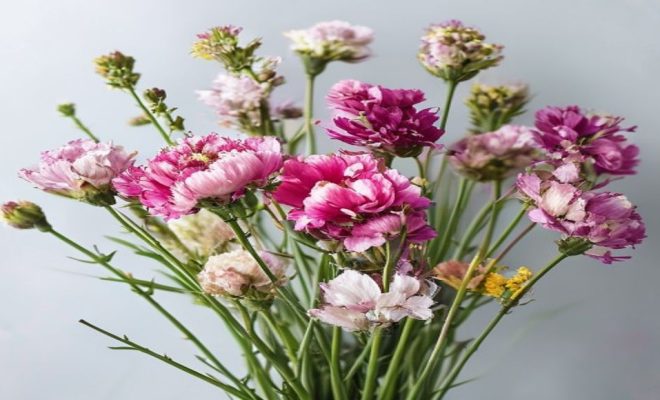
Additionally, consider the purpose of your dried flowers. If you’re looking to create a long-lasting display, opt for flowers that naturally retain their vibrancy. For example, sunflowers and statice are excellent choices for bright, eye-catching arrangements. Understanding the characteristics of different flowers can significantly enhance your drying experience.
3. Air Drying: The Classic Method
Air drying is perhaps the most traditional method for how to dry flowers. This simple technique requires minimal equipment and is suitable for many types of flowers. To begin, gather a small bouquet and remove any leaves from the stems, as leaves can retain moisture and promote mold.
Next, tie the stems together with string or rubber bands and hang the bouquet upside down in a dry, dark, and well-ventilated area. A closet or an unused room works well for this purpose. Allow the flowers to dry for about two to four weeks, checking periodically for dryness. Once fully dried, they can be used in arrangements or as standalone decor pieces.
If you’re looking for a more aesthetically pleasing way to air dry flowers, consider using decorative hooks or a rustic wooden beam. Not only does this method allow for efficient drying, but it also adds to the decor of your space. Watching the flowers transform over time can be a rewarding part of the process.
4. Using Silica Gel for Fast Drying
For those who want quicker results, silica gel is a fantastic option. This drying agent absorbs moisture efficiently and can preserve the flowers’ original color and shape better than air drying. To use silica gel, you’ll need a container that is airtight and deep enough to submerge the flowers.
Carefully place the flowers in the container and cover them completely with silica gel. Seal the container and let it sit for several days. After the drying period, gently remove the flowers and brush off any excess gel. This method is particularly effective for fragile flowers and can yield stunning results for detailed arrangements.
Another advantage of using silica gel is that it can help retain the three-dimensional quality of the flowers, making them look more lifelike once dried. It’s ideal for flowers like orchids or delicate peonies, which can lose their form with other drying methods. If you’re planning to create a shadow box display or a floral centerpiece, this technique will enhance the visual appeal.
5. Pressing Flowers: A Unique Technique
Pressing flowers is a wonderful way to create flat, decorative pieces that can be used in artwork or as bookmarks. To press flowers, you’ll need a heavy book or a flower press. Select flowers with flat blooms, such as daisies or violets, and arrange them between the pages of the book. (See: History and uses of dried flowers.)
Place additional weight on top of the book to ensure that the flowers flatten properly and dry evenly. After about two to three weeks, gently remove the pressed flowers. They can be used in various crafts, such as card-making, scrapbooking, or framed as art. Pressing flowers not only preserves their beauty but also allows for creative expression.
You can also create beautiful greeting cards or personalized stationery using pressed flowers. Simply adhere the dried blooms to the card using craft glue, ensuring they are secured well. This not only makes your cards unique but also adds a personal touch that recipients will appreciate. Experiment with different flower combinations and colors to create stunning effects.
6. Microwave Drying: Quick and Convenient
If you’re short on time, microwave drying can be a lifesaver. This method is fast and efficient, allowing you to dry flowers in just a few minutes. Start by placing the flowers between two plates with a few tablespoons of silica gel. Microwave them in short bursts, checking every 30 seconds to ensure they do not overheat.
This method is particularly useful for smaller flowers and can produce striking results. However, it requires careful monitoring, as microwaving can quickly damage the flowers if left unattended. Once dried, these flowers can be used in various crafts or kept as keepsakes.
It’s important to note that not all microwaves are equal. Some may heat flowers more quickly, which could lead to unexpected results. If possible, start with a test flower to perfect your timing. After you’ve mastered the technique, you can experiment with drying different varieties, enhancing your collection of dried flowers.
7. Using Glycerin for Preserving Flowers
Glycerin is a natural product that can be used to preserve flowers while maintaining their color and flexibility. This method is excellent for creating arrangements that will last longer than typical dried flowers. To use glycerin, mix one part glycerin with two parts water and place the flower stems in this solution.
After a few weeks, the flowers will absorb the glycerin, resulting in beautifully preserved blooms. This method works particularly well with foliage, allowing you to create lush arrangements that maintain their vibrant appearance over time.
Glycerin can also be used creatively in combination with other techniques. For instance, you might consider using it alongside air drying for a hybrid approach that retains more color and flexibility than air drying alone. Incorporating glycerin can give your dried bouquets a unique texture, making them stand out in any decor.
8. Storage Tips for Dried Flowers
Once you’ve successfully dried your flowers, proper storage is essential to maintain their beauty. Store dried flowers in a cool, dry place away from direct sunlight, as UV rays can cause fading. Using airtight containers can help prevent moisture from entering, which can lead to mold or decay.
When displaying dried flowers, consider using glass vases or shadow boxes to protect them from dust and damage. Regularly check on your dried arrangements to ensure they remain in good condition. With the right care, your dried flowers can last for years, serving as lasting reminders of cherished moments.
For longer-term storage, you might consider using silica packets in your containers to absorb any excess moisture. It’s a small step that can make a big difference in preserving your flowers’ quality. If you’ve created decorative arrangements, avoid placing them in areas with high humidity, as this can cause deterioration over time.
9. Creative Ways to Use Dried Flowers
Dried flowers aren’t just for arrangements; they can be utilized in a variety of creative projects. From adding them to homemade potpourri to using them in candle making, the possibilities are endless. You might even consider making natural confetti for weddings or special events.
Another popular use is in DIY floral designs, where dried flowers can be incorporated into wreaths, garlands, and centerpieces. They can also be used in jewelry-making, like resin pieces or decorative hair accessories. The unique textures and colors of dried flowers can elevate any craft project and infuse it with a personal touch.
Don’t forget about using dried flowers in home fragrances! You can create sachets filled with dried flowers and herbs to place in drawers or closets. This not only helps keep your clothes smelling fresh but also adds a decorative element to your storage spaces. Lavender, in particular, is known for its calming scent and is a popular choice in sachets.
10. The Current Relevance and Trends
In recent years, there’s been a resurgence in the popularity of dried flowers, driven by a growing appreciation for sustainable and eco-friendly practices. Many people are opting for dried bouquets over fresh ones for their longevity and low-maintenance nature. In a world increasingly focused on sustainability, dried flowers offer a way to preserve nature’s beauty while reducing waste.
Social media platforms, especially Instagram and Pinterest, have played a significant role in this trend, showcasing vibrant dried flower arrangements that inspire creativity. Floral artists and crafters are constantly innovating, finding new ways to incorporate dried flowers into home decor, fashion, and beyond. This trend emphasizes not only aesthetics but also the importance of sustainability and mindfulness in our everyday choices. (See: Health considerations in home decoration.)
Statistics from industry reports indicate that the market for dried flowers has seen a significant uptick in sales, with many shops reporting a doubling of interest over the past few years. This movement is a testament to the charm and versatility of dried flowers, appealing to both traditionalists and modern decorators. If you’re looking to enter this market, consider starting your own dried flower business, as there’s ample space for creativity and personal expression.
11. FAQs About Drying Flowers
Q: What flowers are best for drying?
A: Some of the best flowers for drying include lavender, roses, statice, and eucalyptus. These varieties tend to hold their shape and color well during the drying process.
Q: How long do dried flowers last?
A: With proper care and storage, dried flowers can last for several years. Keeping them away from direct sunlight and moisture will help maintain their quality.
Q: Can I dry flowers that are wilting?
A: While it’s best to start with fresh flowers, you can dry wilting flowers as long as they don’t have clear signs of decay. However, they may not look as vibrant or well-formed once dried.
Q: Is it necessary to use silica gel?
A: No, silica gel is not necessary but it can significantly speed up the drying process and help preserve the flowers’ original color and shape. If you’re in a hurry or working with delicate flowers, it’s a great tool to have.
Q: How can I decorate with dried flowers?
A: Dried flowers can be used in a variety of decorative ways. Consider creating wreaths, centerpieces, or using them in wall art. You can also incorporate them into seasonal decor or use them in handmade cards.
12. Exploring Different Techniques: A Deeper Dive
While we’ve already covered some popular methods of drying flowers, there are numerous techniques worth exploring. Each method has its own unique characteristics that can influence the final appearance of the dried flowers. For example, air drying is best for flowers with sturdy stems, while microwave drying provides quick results for smaller blossoms. (See: Scientific study on flower preservation methods.)
One lesser-known method is the use of sand drying, which involves placing flowers in a container filled with sand. The sand absorbs moisture while allowing the flowers to maintain their shape. This method is particularly effective for preserving the natural contour of flowers like roses and lilies. By burying the flowers in sand, you can achieve a more natural look, which is ideal for arrangements that aim for a rustic or organic feel.
Another interesting method is using flower foam, also known as floral foam, which can help retain moisture while allowing flowers to dry slowly. This technique is often used by florists to create long-lasting arrangements. The foam holds the flower stems in place, allowing them to dry while still maintaining a fresh look.
13. Expert Tips for Success
When it comes to drying flowers, a few insider tips can make a significant difference in the outcome. First, always use flowers at their peak freshness. The best time to cut flowers is in the morning after the dew has dried, as this helps them retain moisture without compromising their quality. Additionally, remove any leaves as they can trap moisture and lead to mold during the drying process.
Another key consideration is humidity. Ideally, you want a low-humidity environment for drying flowers. If you live in a humid area, consider using a dehumidifier in the drying space to improve results. This not only speeds up the drying process but also prevents common issues like mold and discoloration.
Regularly check your flowers during the drying period, especially with methods like air drying. You’ll want to catch any signs of moisture or mold early to avoid ruining your hard work. If you notice any mold forming, immediately remove the affected flowers to prevent it from spreading.
14. Common Mistakes to Avoid
Even seasoned flower dryers can make mistakes. One common error is not preparing the flowers properly before drying. It’s essential to trim stems and remove leaves thoroughly to ensure a successful drying process. Another mistake is drying flowers in direct sunlight, which can lead to fading and brittle petals. Always opt for a dark, well-ventilated area when using air drying methods.
Also, be cautious with the drying duration. Over-dried flowers can become crumbly and lose their beauty, while under-dried flowers may not last long and could decay. It’s vital to find the right balance to maintain their natural appearance.
15. Personal Experiences: Real Stories from Flower Dryers
Many enthusiasts and professionals have their own stories about the joy and challenges of drying flowers. One florist shared how she began her journey with a simple bouquet from her wedding. After successfully preserving her flowers, she started a side business selling dried flower arrangements, which has now turned into a thriving venture.
Another individual recounted how drying flowers became a therapeutic activity during stressful times. She began with a few garden flowers, experimenting with different techniques, and found it to be a relaxing hobby that also beautified her home. These personal experiences highlight not only the satisfaction derived from drying flowers but also the potential to create a deeper connection with nature and creativity.
By learning how to dry flowers, you’re tapping into a rich tradition that allows you to express creativity and preserve memories. Whether you choose air drying, pressing, or using glycerin, each method offers unique benefits and results. With practice and experimentation, you can find the techniques that resonate most with you, transforming your living space into a floral haven.
“`
Trending Now
Frequently Asked Questions
What is the best way to dry flowers?
The best way to dry flowers depends on the type of flowers and the desired outcome. Common methods include air drying, pressing, and using silica gel. Air drying is suitable for sturdy flowers like lavender and roses, while pressing works well for delicate blooms. Silica gel can help preserve color and shape effectively.
How long does it take to dry flowers?
The drying time for flowers varies based on the method used. Air drying can take 1 to 3 weeks, while pressing flowers usually takes a few days. Using silica gel can significantly reduce the drying time to just a few days, depending on the flower type and thickness.
What flowers are best for drying?
Certain flowers dry better than others. Ideal choices include lavender, roses, hydrangeas, and statice due to their sturdy petals and vibrant colors. Conversely, delicate flowers like peonies may not maintain their shape or color well during the drying process.
Can you dry flowers in the microwave?
Yes, you can dry flowers in the microwave! This method is quick and effective, typically taking only a few minutes. Place the flowers between two paper towels and microwave them in short intervals, checking frequently to prevent burning.
How do you preserve dried flowers?
To preserve dried flowers, store them in a cool, dry place away from direct sunlight. Consider using a sealant spray to protect their color and shape. Display them in shadow boxes or glass containers to minimize dust and damage, ensuring they last longer.
Agree or disagree? Drop a comment and tell us what you think.