Craft the Perfect Sangria: A Step-by-Step Guide
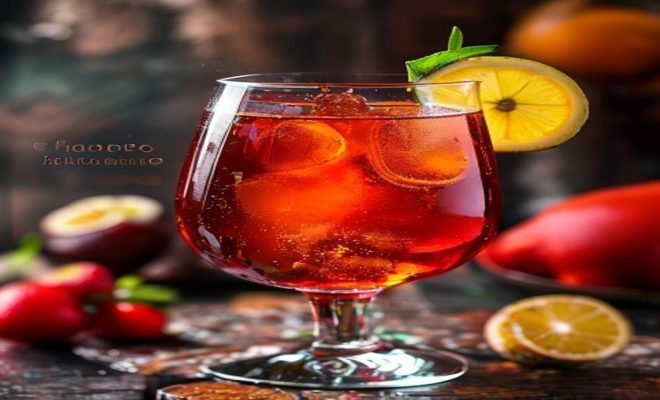
“`html
Sangria, a vibrant and refreshing drink, originated in Spain and has become a beloved choice for gatherings, parties, and summertime sipping around the world. In this guide, we’ll explore how to make sangria that not only tantalizes your taste buds but also impresses your guests. With its mix of wine, fruits, and sometimes spirits, sangria is a drink that allows for creativity and personal touches. So, let’s dive into the delightful world of sangria!
1. The Origin of Sangria
Sangria has deep roots in Spain, dating back centuries. The name itself is derived from the Spanish word for blood, sangre, reflecting its rich, red color when made with red wine. Traditionally, this drink was a way to enjoy inexpensive wine, mixing it with fruits and spices to enhance the flavor and appeal.
Over time, sangria has evolved. While the classic recipe calls for red wine, modern variations include white and rosé wines, making it a versatile drink suitable for all seasons. Today, it’s not just a Spanish staple; sangria enjoys global popularity, with countless variations popping up at bars and homes alike.
2. Essential Ingredients for Your Sangria
Understanding how to make sangria starts with selecting the right ingredients. The basic components of a classic sangria include:
- Wine: Choose a fruity red wine, such as Tempranillo or Garnacha, for traditional sangria. For white sangria, opt for a dry white wine like Sauvignon Blanc or a sparkling wine for a refreshing twist.
- Fruits: Fresh fruits add color and flavor. Common choices are oranges, lemons, limes, berries, and apples. Feel free to experiment based on what’s in season.
- Sweetener: Sugar, simple syrup, or even juice can be used to balance the acidity of the wine and fruit.
- Spirits: For an extra kick, consider adding brandy or orange liqueur, like Triple Sec or Cointreau, which complements the fruit flavors beautifully.
- Club soda or sparkling water: Adding a splash of fizz at the end gives your sangria a refreshing finish.
These basic elements form the foundation of any sangria, but the possibilities are virtually endless.
3. Basic Sangria Recipe
Now that you have a grasp on the essential ingredients, let’s walk through a simple yet classic red sangria recipe. Here’s what you’ll need:
- 1 bottle of red wine (750 ml)
- 1 orange, sliced
- 1 lemon, sliced
- 1 lime, sliced
- 1 apple, cored and diced
- 1/4 cup of brandy
- 1/4 cup of orange liqueur
- 2 tablespoons of sugar (or to taste)
- 2 cups of club soda or sparkling water
To prepare, combine the wine, sliced fruits, brandy, orange liqueur, and sugar in a large pitcher. Stir well to dissolve the sugar and let it chill in the refrigerator for at least 2 hours, preferably overnight to allow flavors to meld. Just before serving, add the club soda for fizz and stir gently. Serve over ice and enjoy!
4. Creative Variations of Sangria
Once you master the classic sangria, you can get creative with your concoctions. Here are some popular variations:
- White Sangria: Swap red wine for white and include fruits like peaches and strawberries. Use a splash of peach schnapps for added sweetness.
- Rosé Sangria: Rosé wine provides a beautiful color and delicate flavor. Pair it with fresh berries and a hint of mint for a refreshing touch.
- Sparkling Sangria: Start with a dry sparkling wine and add citrus fruits. This bubbly version is perfect for celebrations.
- Seasonal Sangria: Adapt your recipe to the season by using seasonal fruits. Think cranberries and pomegranates in the winter or watermelon and mint in the summer.
- Herbal Sangria: Adding herbs like basil or rosemary can bring a unique flavor twist. Try infusing your sangria with fresh herbs for a delightful aromatic experience.
Experimenting with flavors and ingredients is part of the fun of how to make sangria. Don’t hesitate to try new combinations! (See: Wikipedia page on Sangria.)
5. Tips for the Perfect Sangria
To create a sangria that wows your guests, keep these tips in mind:
- Quality Ingredients: Use good-quality wine and fresh fruits. It makes a noticeable difference in flavor.
- Patience is Key: Allowing the sangria to sit enhances its flavor. The longer it chills, the better.
- Balance the Sweetness: Adjust the sugar according to your taste preferences and the sweetness of the fruits.
- Serve Chilled: Sangria is best served cold. Keep your pitcher in the fridge until ready to serve.
- Presentation Matters: Use a beautiful pitcher and garnishes like fresh herbs or citrus wheels for an inviting look.
These small adjustments can elevate your sangria from ordinary to extraordinary.
6. Pairing Food with Sangria
One of the joys of drinking sangria is pairing it with food. Its fruity, refreshing profile complements a wide variety of dishes. Here are some pairing suggestions:
- Tapas: Classic Spanish tapas like patatas bravas, chorizo, or olives work beautifully with sangria.
- Grilled Meats: The smoky flavor of grilled meats, such as chicken or pork, pairs well with red sangria.
- Salads: Light salads, especially those with citrus dressings, can enhance the refreshing notes of sangria.
- Cheese Boards: Create a cheese board with a variety of cheeses, crackers, and fruits to serve alongside your sangria.
- Spicy Dishes: The sweetness of sangria can balance out spicy dishes, such as spicy shrimp or curry, creating a harmonious dining experience.
These pairings create a complete experience, making your sangria gathering even more enjoyable.
7. Hosting a Sangria Party
Thinking about hosting a gathering focused on sangria? Here’s how to make your event memorable:
- Themed Sangria: Choose a theme for your party, such as a Spanish fiesta, and serve different types of sangria.
- Sangria Bar: Set up a sangria bar allowing guests to customize their drinks with different fruits, wines, and spirits.
- Games and Activities: Incorporate fun games or activities to keep the atmosphere lively. Consider Spanish-themed trivia or a dance-off.
- Decorative Touches: Use colorful tableware and decorations to reflect the vibrant essence of sangria.
- DIY Sangria Kits: Provide guests with small jars of pre-portioned ingredients to take home and create their sangria, making your party a fun and interactive experience.
With a little planning, your sangria party will become the talk of the town.
8. Health Considerations
While sangria is a delightful beverage, it’s essential to consume it responsibly. Being a wine-based drink, it contains alcohol, which should be enjoyed in moderation. If you’re looking for a lighter option, consider:
- Reducing Alcohol Content: Use more club soda or sparkling water to dilute the drink while maintaining its flavor.
- Fresh Fruits: The fruits in sangria not only add flavor but also offer vitamins and antioxidants. Utilizing seasonal produce can enhance the drink’s nutritional profile.
- Control Portions: Serving smaller portions can help in managing alcohol intake while still enjoying the drink.
- Mind the Mix: Be cautious about combining sangria with other alcoholic beverages, as this can lead to overindulgence without realizing it.
Being mindful of these factors ensures that sangria remains a pleasurable experience at gatherings.
9. Storing Leftover Sangria
If you have any sangria left over after your festivities, storing it correctly is key to preserving its freshness. Here are some tips:
- Refrigerate Promptly: Store any leftover sangria in an airtight container or pitcher in the refrigerator to maintain its flavor.
- Consume Quickly: For the best taste, try to consume leftover sangria within 2-3 days. The fruit can start to break down and alter the drink’s texture.
- Revive with Fizz: If the sangria has lost some of its fizz, consider adding a splash of fresh club soda just before serving again.
- Fruit Removal: If you notice the fruit over-soaking, it’s a good idea to remove it before storing to prevent any unwanted mushiness.
These simple steps can help you enjoy your sangria even after the party has ended. (See: CDC guidelines on healthy drinking.)
10. The Cultural Significance of Sangria
Sangria is more than just a drink; it’s a cultural icon in Spain and beyond. Often associated with social gatherings, festivals, and celebrations, sangria embodies the spirit of togetherness and enjoyment. During summer months, you’ll find it served at outdoor patios, celebrations, and family gatherings across Spain.
As sangria continues to gain popularity around the globe, it represents a fusion of cultures and flavors, inviting people to explore and create their own versions. Whether you’re sipping on a classic red sangria or a modern twist, it’s a reminder of shared experiences and the joy of celebrating with friends and family.
11. Sangria and Sustainability
As we become more aware of our environmental footprint, it’s worth considering how to make sangria in a sustainable way. Here are some tips to enjoy your favorite drink while being environmentally conscious:
- Locally Sourced Ingredients: Whenever possible, source fruits and wine from local producers. This not only supports the local economy but also reduces the carbon footprint associated with transportation.
- Organic Options: Choose organic wine and fruits to avoid pesticides and chemicals that can harm the environment.
- Glass Over Plastic: Serve sangria in reusable glassware instead of disposable plastic cups to minimize waste.
- Compost Leftovers: Any leftover fruit can be composted instead of thrown away, contributing to a healthier planet.
By incorporating sustainable practices into your sangria-making process, you can enjoy your drink while also caring for the environment.
12. Sangria FAQs
If you’re just getting started with making sangria or have some lingering questions, check out these frequently asked questions:
What type of wine is best for sangria?
Fruity red wines like Tempranillo or Garnacha are ideal for traditional sangria. For white sangria, Sauvignon Blanc or a light Pinot Grigio works well. The key is to choose a wine that you enjoy drinking on its own.
Can you make sangria in advance?
Absolutely! Sangria is best when it has time to meld flavors. You can prepare it a day ahead and let it chill in the refrigerator. Just be sure to add the club soda just before serving to keep it fizzy.
What fruits can I use in sangria?
You can use a variety of fruits, including oranges, lemons, limes, berries, apples, peaches, and even tropical fruits like pineapple or mango. The choice should reflect your personal taste and the season.
Is sangria gluten-free?
Yes, sangria is typically gluten-free, as it is made with wine and fruits. However, be cautious if you add flavored spirits or mixers; always check the labels to ensure they are gluten-free if that is a concern. (See: New York Times Sangria recipe article.)
Can I use sparkling wine for sangria?
Yes, sparkling wine can make a delicious sangria! It adds a fun fizz and makes the drink feel festive. Just be sure to add the sparkling wine just before serving so that it retains its bubbles.
How do I make a non-alcoholic sangria?
To create a non-alcoholic sangria, simply substitute the wine with a mix of fruit juices (like grape, orange, and pomegranate) and sparkling water. Add fresh fruits and some herbs for flavor, and you’ll have a refreshing mocktail!
13. Advanced Sangria Techniques
Once you’ve mastered the basics, consider exploring more advanced techniques to elevate your sangria game. Here are a few ideas:
- Infused Wines: Try infusing your wine with additional flavors before mixing. For example, steep herbs like thyme or rosemary in the wine for a few hours before adding it to your sangria.
- Homemade Syrups: Instead of using sugar, make flavored simple syrups (like cinnamon or vanilla) to add a unique touch. This can enhance the overall flavor profile and add an unexpected twist.
- Experiment with Spirits: While brandy and orange liqueur are traditional, experimenting with flavored vodkas or even gin can create delightful new versions. Think cucumber gin for a fresh take or coconut rum for a tropical vibe.
- Presentation Techniques: For a stunning presentation, consider layering your ingredients in the pitcher or glass. Start with the fruits, add the alcohol, and finish with the wine for a visually striking effect.
14. Seasonal Sangria Ideas
Taking advantage of seasonal fruits can make your sangria even more exciting. Here are some ideas throughout the year:
- Spring: Use fresh strawberries, rhubarb, and mint to create a light and fragrant spring sangria.
- Summer: Watermelon, cantaloupe, and fresh basil can make a refreshing summer twist—perfect for hot days.
- Fall: Apples, pears, and a hint of cinnamon can give your sangria a cozy, autumnal flavor.
- Winter: Pomegranate seeds, cranberries, and a splash of spiced rum can create a festive winter sangria, ideal for holiday gatherings.
15. Understanding Wine Selection
Choosing the right wine is crucial in creating a well-balanced sangria. Here are some tips on how to select the best wine:
- Price Point: You don’t need to break the bank on wine for sangria. Look for affordable options that are still good quality. Wines under $15 often work well.
- Fruit-Forward Wines: Wines that are fruity and have low tannins make for the best sangrias. These wines enhance the fruity flavors without overpowering them.
- Experiment with Regions: Different regions produce wines with varying flavor profiles. Try wines from Spain, of course, but don’t hesitate to explore wines from California or South America as well.
Now that you know how to make sangria and the nuances of its preparation and presentation, it’s time to gather your ingredients and create your own special blend. Cheers!
“`
Trending Now
Frequently Asked Questions
What is the traditional recipe for sangria?
The traditional sangria recipe includes a fruity red wine, fresh fruits like oranges and lemons, sweetener such as sugar or simple syrup, and optional spirits like brandy or orange liqueur. This classic mixture creates a refreshing beverage perfect for gatherings.
What fruits can I use in sangria?
Common fruits for sangria include oranges, lemons, limes, berries, and apples. You can also experiment with other seasonal fruits to create unique flavors that suit your taste.
Can I make sangria with white wine?
Yes! White sangria is a popular variation that uses dry white wine, such as Sauvignon Blanc, or sparkling wine. It offers a refreshing twist and is perfect for warmer weather.
How can I make my sangria sweeter?
To sweeten your sangria, you can add sugar, simple syrup, or fruit juice to balance the acidity of the wine and fruits. Adjust the sweetness to your preference for a more enjoyable drink.
What makes sangria a versatile drink?
Sangria is versatile because it allows for creativity with its base ingredients. You can choose from various wines, fruits, and additional spirits, making it suitable for all seasons and personal tastes.
Agree or disagree? Drop a comment and tell us what you think.