Boost Your Garden: The Essential Guide to Deadheading Flowers
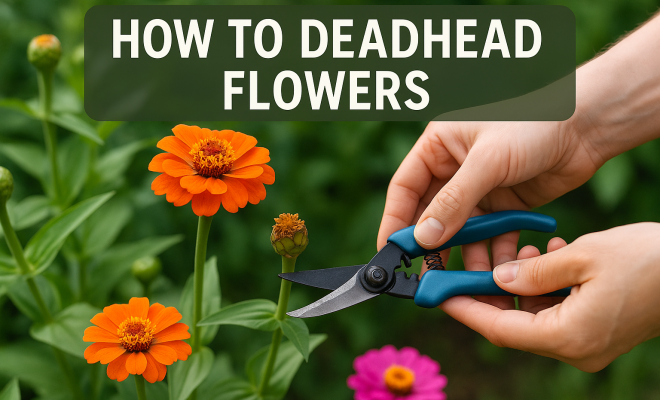
“`html
Gardening enthusiasts and casual flower lovers alike often strive for vibrant blooms and lush greenery in their gardens. One essential yet often overlooked technique that can significantly improve your garden’s aesthetics and health is learning how to deadhead flowers. This practice not only enhances the visual appeal of your plants but also promotes more vigorous growth and prolongs flowering. In this comprehensive guide, we’ll delve into the ins and outs of deadheading, including its benefits, best practices, and practical tips.
1. What is Deadheading?
Deadheading refers to the process of removing faded or spent flowers from a plant. This practice is common among a wide variety of flowering plants, including annuals, perennials, and even some shrubs. The primary intent of deadheading is to prevent the plant from wasting energy on seed production and instead redirect that energy toward producing new blooms.
Flowers have a natural life cycle, and once they bloom, their primary goal is to reproduce. If left untrimmed, many plants will focus their energy on developing seeds, which can lead to a decline in overall vigor and fewer flowers in subsequent blooms. By learning how to deadhead flowers, you not only keep your garden looking tidy but also ensure longevity in blooming.
2. Why Deadhead Flowers?
Understanding the benefits of deadheading flowers can motivate any gardener to make it a regular part of their gardening routine. Here are some of the primary advantages:
- Enhanced Aesthetics: Removing spent blooms helps maintain a neat and attractive appearance in the garden.
- Extended Blooming Period: Regular deadheading encourages plants to produce new flowers, extending the blooming period throughout the growing season.
- Improved Plant Health: By preventing seed formation, plants can conserve energy and nutrients, resulting in healthier foliage and roots.
- Pest and Disease Prevention: Deadheading can help reduce the risk of disease and pest infestations, as decaying flowers can attract unwanted pests.
These benefits underscore the importance of incorporating deadheading into your gardening practices. It’s an easy task that can yield remarkable results.
3. When to Deadhead Flowers
Timing can be pivotal when it comes to deadheading. Most gardeners should be aware that the best time to deadhead flowers is during the blooming season. Specifically, consider these key pointers:
- After Flowering: Wait until flowers begin to wilt and fade before deadheading. This typically happens after the flower has been pollinated or if the petals are starting to curl.
- Regularly: Monitor your plants frequently, especially in peak blooming periods. Regular deadheading can make a significant difference in a plant’s vitality.
- Weather Conditions: Ideally, deadhead on a dry day to reduce the risk of spreading fungal diseases.
By keeping an eye on your blooms and understanding the proper timing for deadheading, you’ll make the most of your flowering plants.
4. How to Identify Spent Flowers
Not all flowers require deadheading at the same time. Being able to identify spent blooms is crucial for effective deadheading. Look for the following signs:
- Wilting Petals: Flowers that appear droopy or have wilted petals are prime candidates for deadheading.
- Color Changes: Flowers that have changed color, from vibrant to dull or brown, are nearing the end of their life cycle.
- Pest Activity: If you notice pests or signs of disease on dying flowers, it’s best to remove them promptly to prevent further issues.
By familiarizing yourself with these indicators, you can make informed choices about which flowers to deadhead, ensuring that your garden stays healthy and vibrant.
5. Tools Needed for Deadheading
While deadheading can often be done by hand, having the right tools at your disposal can make the process more efficient and effective. Here are some recommended tools:
- Hand Pruners: Sharp and precise pruners are essential for clean cuts, helping to prevent damage to the plant.
- Scissors: For delicate flowers, a pair of garden scissors can be useful for removing spent blooms without damaging surrounding foliage.
- Gardening Gloves: Protect your hands from thorns and irritants while working with various plants.
Having these tools available can streamline the deadheading process and make it a more enjoyable task.
6. How to Deadhead Different Types of Flowers
Different flowers require different deadheading techniques, so it’s essential to adapt your approach based on what you’re working with. Here’s a look at some common flowers and the best methods for each: (See: Wikipedia article on deadheading.)
Annuals
Annuals, such as petunias and marigolds, benefit from regular deadheading. For these plants, simply pinch off the spent blooms using your fingers or a pair of scissors.
Perennials
For perennials like daisies and coneflowers, use sharp pruners to cut the flower stalk down to the nearest leaf node. This encourages new growth from the plant.
Shrubs
Shrub roses and other flowering shrubs often require deadheading in a different manner. Remove the spent blooms with pruning shears, cutting back to a healthy bud or leaf node.
By tailoring your deadheading technique to the specific type of flower, you’ll achieve the best results and ensure the health of your plants.
7. Common Mistakes When Deadheading
Even seasoned gardeners can make errors when deadheading flowers that can undermine their efforts. Here are some common pitfalls to avoid:
- Cutting Too Much: Overzealous deadheading can harm the plant. Be careful to leave enough foliage and stems to support new growth.
- Ignoring the Timing: Deadheading too early or too late can be detrimental. Proper timing ensures the best chance of promoting new blooms.
- Using Dull Tools: Dull pruners can crush stems and open the plant up to diseases. Always use sharp tools for clean cuts.
By being mindful of these common mistakes, you can ensure that your deadheading practices are effective and beneficial for your plants.
8. Aftercare Following Deadheading
After you’ve deadheaded your flowers, the work doesn’t end there. Proper aftercare can significantly enhance the results of your deadheading efforts. Here are some tips:
- Watering: Ensure your plants receive adequate water after deadheading, as they will need hydration to support new growth.
- Fertilizing: A balanced fertilizer can give your plants a nutrient boost following deadheading, promoting new blooms.
- Inspecting for Pests: After deadheading, take the opportunity to check for any pests or diseases that might have developed. Early detection is key.
By implementing these aftercare strategies, you can maximize the benefits of your deadheading efforts and keep your flowers thriving.
9. Current Trends in Deadheading and Flower Care
The gardening community is always evolving, and recent trends in flower care have brought new insights into the practice of deadheading. Some of the current trends include:
- Natural Gardening: More gardeners are adopting natural and organic methods, emphasizing the importance of biodiversity and ecological balance.
- Educational Workshops: Many local gardening centers offer workshops on proper deadheading techniques, helping novice gardeners improve their skills.
- Online Communities: Gardening enthusiasts are increasingly sharing tips and experiences on social media platforms, providing a wealth of knowledge on deadheading.
Staying informed about these trends can not only enhance your deadheading skills but also connect you with a community of like-minded gardeners.
10. Specific Flower Types and Their Deadheading Needs
Understanding the unique needs of different flower types can help you master how to deadhead flowers. Here’s a closer look at some popular varieties:
Roses
Roses benefit greatly from deadheading. For hybrid tea roses, cut the stem just above the first set of five leaflets. This encourages bushier growth. For shrub roses, you can simply remove the dead blooms, which helps keep the plant healthy and encourages new blooms by the end of the growing season.
Petunias
Petunias are renowned for their long blooming season. When deadheading, pinch off the spent flowers just above the leaves. This not only promotes more blooms but helps to prevent the plants from becoming leggy. (See: CDC on gardening and health benefits.)
Daylilies
Daylilies produce a multitude of blooms but can also benefit from deadheading. Removing spent flowers before they set seeds can help to redirect energy towards producing more blooms rather than seeds. Simply snap off the spent flowers at their base.
11. Expert Perspectives on Deadheading
To give you a broader understanding of the importance of deadheading, we’ve gathered insights from gardening experts:
“Deadheading is essential not just for aesthetics but also for the health of the plant. It’s like giving your garden a haircut; it encourages new growth and keeps the plants looking their best.” – Dr. Jane Green, Horticulturist.
“Many gardeners underestimate how much deadheading can benefit their gardens. It’s a simple task that can dramatically enhance flowering and overall plant health.” – Tom Rivers, Landscape Designer.
12. Seasonal Deadheading Guide
Depending on the season, your deadheading techniques might vary. Here’s a seasonal guide:
Spring
In spring, focus on deadheading perennials that have finished their winter blooms. This encourages fresh new growth and prepares plants for robust flowering in the summer.
Summer
During the summer, make deadheading a regular activity. As many flowers reach their peak blooming period, regular removal of spent flowers will ensure continuous blooms throughout the season.
Fall
As the season changes, focus on cleaning up the garden. Remove any spent flowers to reduce debris during winter, which can harbor pests and diseases.
13. Frequently Asked Questions (FAQ) About Deadheading
What happens if I don’t deadhead my flowers?
If you don’t deadhead your flowers, the plants will produce seeds instead of new blooms. This can lead to fewer flowers and can even weaken the plant over time.
Can I deadhead flowers in the fall?
Yes, you can deadhead flowers in the fall, especially perennials. This helps clean up the garden for winter and can prevent diseases from developing in decaying plant material.
Is it necessary to deadhead all flowering plants?
While not all flowering plants need deadheading, many benefit from the practice. It’s especially important for annuals and some perennials to encourage continuous blooms. (See: New York Times gardening guide.)
Can I deadhead in wet weather?
It’s best to avoid deadheading in wet weather, as it can lead to increased fungal diseases. Wait for a dry day to ensure the best outcomes.
How often should I deadhead my flowers?
During the flowering season, you should check your blooms regularly, ideally every week, to ensure you’re deadheading when necessary. This keeps your plants healthy and blooming beautifully.
14. The Impact of Deadheading on Pollinators
Many gardeners cherish the sight of pollinators buzzing around their flowers. Deadheading can actually create a better environment for these helpful insects. By encouraging new blooms, you provide a continuous food source for bees, butterflies, and other beneficial pollinators. For example, studies show that plants such as zinnias and bee balm, when regularly deadheaded, can produce more flowers over their lifespan, thus attracting more bees and butterflies.
Incorporating a variety of plants in your garden that require deadheading can enhance pollinator activity. Choose a mix of annuals and perennials that flower at different times. This strategy ensures there’s always something blooming for the pollinators, creating a vibrant and lively garden ecosystem.
15. Additional Tips for Successful Deadheading
While you now have a solid understanding of how to deadhead flowers, here are some additional tips that can enhance your deadheading skills:
- Know Your Plants: Familiarize yourself with the specific deadheading needs of each plant species in your garden. Some flowers may require different techniques or timings.
- Practice Regular Monitoring: Make it a habit to walk through your garden weekly. This not only helps with deadheading but also allows you to spot any pests or diseases early.
- Keep a Gardening Journal: Document when you deadhead each plant and note how they respond. This can help you refine your practices for the future.
- Involve Others: If you have children or friends interested in gardening, involve them in the deadheading process. It’s an excellent way to teach them about plant care and nurture a love for gardening.
16. Long-Term Effects of Deadheading
When done consistently over time, deadheading can have significant long-term benefits for your garden. It not only promotes immediate blooming but can also encourage plants to establish stronger root systems. Plants that don’t expend energy on seed production can channel more resources into their roots and foliage. This ultimately leads to a more robust and resilient garden that can better withstand pests, diseases, and environmental stressors.
As you continue to adopt this practice, you might notice that your flowers become more vibrant and that your garden overall looks healthier. Additionally, over the years, you could achieve a more diverse ecosystem as healthier plants attract various beneficial insects.
In summary, understanding how to deadhead flowers can significantly contribute to the health and beauty of your garden. By following the tips outlined in this guide, you can become a more effective gardener, ensuring that your flowers flourish season after season.
“`
Trending Now
Frequently Asked Questions
What does it mean to deadhead flowers?
Deadheading flowers involves removing faded or spent blooms from a plant. This practice helps redirect the plant's energy from seed production towards producing new flowers, enhancing both the aesthetics and health of the plant.
Why should you deadhead your flowers?
Deadheading flowers offers several benefits, including improved aesthetics, extended blooming periods, better plant health, and reduced risk of pests and diseases. By removing spent blooms, plants can focus on producing new flowers instead of seeds.
When is the best time to deadhead flowers?
The best time to deadhead flowers is when the blooms begin to wilt and fade. Regularly checking your plants and removing spent flowers encourages continuous blooming throughout the growing season.
How do you properly deadhead flowers?
To properly deadhead flowers, use clean, sharp scissors or pruning shears to cut the spent blooms just above the first set of healthy leaves. This method promotes new growth and prolongs the blooming period.
Can all flowers be deadheaded?
Most flowering plants, including annuals, perennials, and some shrubs, can be deadheaded. However, it's essential to research specific plant types, as some may have unique needs regarding deadheading techniques.
Have you experienced this yourself? We’d love to hear your story in the comments.