Canoeing for Beginners: Your Comprehensive Guide to Paddling
“`html
If you’ve ever gazed at a serene lake or winding river and thought about the peaceful rhythm of paddling through the water, you’re not alone. Canoeing is not just a recreational activity; it’s also a great way to connect with nature, get some exercise, and even bond with friends or family. But how to canoe? Whether you’re a complete novice or looking to sharpen your skills, this comprehensive guide will walk you through the essentials of canoeing, from gear to advanced techniques.
1. The Basics of Canoeing
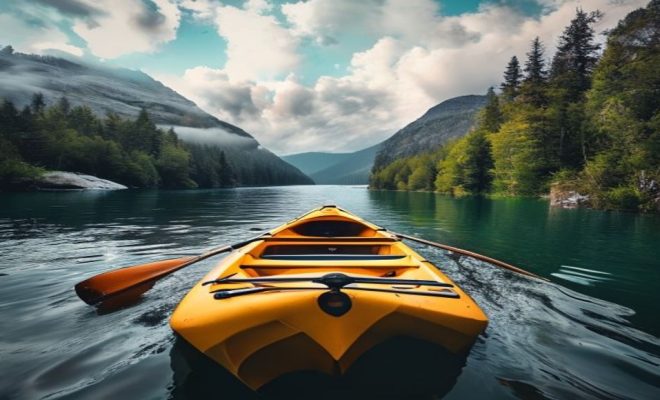
Before you pick up a paddle, it’s crucial to understand what canoeing entails. Traditionally, canoes are narrow, lightweight boats that are propelled by paddling. They can be made from a variety of materials, including aluminum, fiberglass, and wood. Canoes are typically open, allowing for a more intimate connection with the water.
The most common type of canoe is the recreational canoe, which is stable and easy to maneuver. These canoes are great for calm waters such as lakes and slow-moving rivers. If you’re planning on venturing out in more challenging conditions, however, look into whitewater canoes, which are designed to handle rough waters and swift currents.
2. Choosing the Right Canoe
Choosing the right canoe is integral to your experience. Depending on the type of water you’ll be navigating, you might opt for a different style of canoe. For those just starting, a stable recreational canoe is advisable. These can typically hold two or three paddlers and provide plenty of space for gear.
For those seeking adventure, consider a touring canoe, which is designed for longer trips and faster waters. These canoes are often longer and narrower, allowing for greater speed but requiring more skill to handle. Always think about how many people will be using the canoe and what kind of trips you plan on taking when making your selection.
3. Canoe Gear and Accessories
While the canoe itself is the star of the show, the right gear can make all the difference in your experience. Essential gear includes a paddle, a life jacket, and suitable clothing. When it comes to paddles, look for one that feels comfortable in your hands and is the right length for your height and canoe size.
Don’t forget about safety gear. A properly fitted personal flotation device (PFD) is necessary for every canoeist, especially in moving water. Depending on your environment, you may also want to consider other accessories, such as a throw bag for emergencies, a dry bag for keeping your belongings safe, and a whistle for signaling.
4. Basic Paddling Techniques
Now that you have your canoe and gear, it’s time to learn how to paddle effectively. The basic stroke is the forward stroke, which propels the canoe forward. To execute this stroke, place the paddle in the water near the front of the canoe, pull it towards your hip, then lift it out of the water and repeat.
Another important technique is the J-stroke, which helps to maintain a straight course. To perform a J-stroke, start with a forward stroke and then turn the paddle slightly outward during the pull, creating a J shape in the water. This technique is particularly useful in wind or current, as it allows for more control.
5. Staying Balanced in Your Canoe
One of the biggest challenges for beginners is learning to balance in a canoe. Maintaining stability involves a combination of body positioning and weight distribution. Sit up straight with your feet flat on the bottom of the canoe and knees slightly bent. Keep your center of gravity low to avoid tipping.
If you feel the canoe starting to tip, shift your weight towards the side that is going down. Practice makes perfect; row in calm waters to build your confidence before tackling rougher conditions. Partner exercises, where one person paddles while the other shifts their weight, can also help you develop a better feel for balance. (See: Canoeing overview on Wikipedia.)
6. Understanding Water Safety Rules
Safety should always be your top priority when canoeing. Familiarize yourself with the local water safety rules and regulations, especially in areas where you might encounter motorized boats or other hazards. Always wear your PFD and ensure that everyone in your canoe does the same.
It’s also vital to be aware of your surroundings. Keep an eye out for changing weather conditions, such as winds or storms that can quickly make water dangerous. Educate yourself about the specific waterway you’ll be navigating, including potential hazards like rapids or submerged objects.
7. Planning Your Canoeing Trip
Before you set out on a canoeing trip, careful planning can make your experience enjoyable and safe. Start by selecting a route that matches your skill level, and consider the time of year, water levels, and weather conditions. If you’re new to canoeing, stick to calm lakes or slow rivers until you gain confidence.
Always communicate your plan with someone who isn’t going with you, and consider how long you expect your trip to take. Prepare for the unexpected by bringing along extra food, water, and safety gear. A detailed map of the area can also be invaluable in navigating unfamiliar waterways.
8. Advanced Canoeing Techniques
Once you’re comfortable with the basics, you might want to explore advanced techniques. These can include skills like solo canoeing, navigating whitewater, and performing advanced strokes. Solo canoeing requires a different approach to balance and control, as you need to be aware of how your weight affects the boat’s stability.
Whitewater canoeing introduces you to rapid currents and obstacles. Learning how to read the water and execute maneuvers like eddy turns and ferries can greatly enhance your experience. Consider taking a course with a certified instructor to develop these skills safely and effectively.
9. The Joy of Canoeing
At its core, canoeing is about enjoying the journey. Whether you’re seeking solitude on a quiet lake or thrill on a rushing river, there’s something universally appealing about gliding through water with just a paddle and the sounds of nature. Many canoeists find it an excellent way to unwind and disconnect from the hustle and bustle of daily life.
Moreover, canoeing can be a social activity. Group trips can foster camaraderie and shared experiences, while solo outings can offer moments of personal reflection and peace. Whatever your reason for canoeing, embracing the experience fully is what truly matters.
10. Choosing the Right Paddle
Just like selecting the right canoe, the paddle you choose can significantly impact your performance and comfort while on the water. Paddles come in various lengths, shapes, and materials, each designed for different types of canoeing. Generally, a paddle should reach from your chin to your nose when standing beside you, but this can vary based on personal preference and the width of your canoe.
Wooden paddles are classic and aesthetically pleasing but can be heavier and require more maintenance. Aluminum paddles can be durable but may not offer the same feel as wood. Composite paddles combine the best of both worlds, providing lightweight yet sturdy options. Test different paddles if possible to find one that feels just right for you.
11. Understanding Water Currents and Weather Patterns
As you gain experience, understanding the effects of water currents and weather patterns becomes essential for safe canoeing. Water currents can vary significantly, from gentle ripples to powerful eddies. Knowing how to read these currents can help you navigate more effectively and avoid potential hazards. For instance, eddies can provide a resting spot to catch your breath, while swift currents may require you to lean into the flow to maintain control.
Weather also plays a critical role in your canoeing experience. Sudden storms, strong winds, and temperature drops can create unsafe conditions. Always check the weather forecast before heading out and be prepared to change your plans if conditions worsen. A good rule of thumb is to avoid canoeing during thunderstorms, as lightning can be extremely dangerous on the water. (See: Canoeing resources from the National Park Service.)
12. Eco-Friendly Canoeing Practices
As canoeists, it’s important to respect the natural environment we enjoy. Adopting eco-friendly practices helps preserve waterways and wildlife for future generations. Always follow the “Leave No Trace” principles, which encourage minimizing your impact on natural areas. This includes packing out all trash, avoiding disturbing wildlife, and being mindful of where you paddle to protect sensitive ecosystems.
Choosing sustainable gear can also make a difference. Many manufacturers now offer eco-friendly paddles and canoes made from recycled or sustainably sourced materials. Supporting these brands promotes environmental responsibility within the outdoor community.
13. Frequently Asked Questions (FAQ)
What is the best type of canoe for beginners?
The best type of canoe for beginners is typically a recreational canoe. These canoes are stable, easy to maneuver, and designed for calm waters, making them perfect for new paddlers.
How do I improve my paddling technique?
Improving your paddling technique involves practice and possibly taking lessons from a certified instructor. Focus on your strokes and body position, and consider recording yourself paddling to analyze your form.
Do I need a license to canoe?
Most places do not require a license for canoeing; however, regulations can vary by state or country. It’s advisable to check local laws and safety regulations before heading out on the water.
What should I wear while canoeing?
Wear comfortable, moisture-wicking clothing suitable for the weather. Quick-drying fabrics are ideal, and don’t forget a personal flotation device (PFD). Also, consider wearing water shoes for grip and protection against sharp objects.
How can I practice canoeing alone?
Practicing alone can be challenging but is possible. Start by paddling in calm and shallow water. Focus on basic strokes and balance before venturing into more challenging conditions. Always let someone know your plans before heading out solo.
Are there canoeing clubs or groups I can join?
Yes! Many communities have canoeing clubs or organizations that host events, trips, and training sessions. Joining a group can enhance your skills, introduce you to new friends, and open up more opportunities for canoeing adventures.
14. The Future of Canoeing
The future of canoeing is bright, with an increasing number of individuals turning to outdoor activities for recreation and relaxation. Innovations in canoe design and materials are making canoes lighter, more durable, and more efficient. Electric canoes and hybrid options are beginning to emerge, catering to those looking for a blend of traditional paddling and modern technology.
Furthermore, as environmental awareness grows, more paddlers are advocating for clean waterways and responsible practices. Initiatives like the “Canoe Clean-Up” encourage canoeists to gather for community service projects focused on cleaning and preserving natural habitats. (See: Canoeing safety guidelines from the CDC.)
15. Wrap-Up: Join the Canoeing Community
Whether you’re a seasoned paddler or just starting, the joy of canoeing is within reach. You’ll discover breathtaking landscapes, connect with nature, and meet people who share your passion. So grab a paddle, a friend or two, and set off on your next adventure. The water is waiting!
16. Canoeing for Fitness
Canoeing isn’t just an enjoyable pastime; it’s also a fantastic way to stay fit. Paddling engages multiple muscle groups, including your arms, legs, back, and core, making it an effective full-body workout. A typical session can burn anywhere from 300 to 600 calories, depending on your weight, intensity, and duration of paddling. This is a great way to incorporate cardiovascular exercise into your routine while enjoying the great outdoors.
Tips for Fitness Canoeing
- Increase Duration: As you get more comfortable, gradually increase the length of your paddling sessions. Aim for at least 30 minutes to an hour of continuous paddling for effective cardio benefits.
- Incorporate Interval Training: Mix up your pace during your paddling. Alternate between fast-paced bursts and slower, recovery strokes to build endurance and strength.
- Strength Training Off the Water: Complement your paddling with strength training exercises focused on your arms, shoulders, and core. Exercises like planks, push-ups, and rows can help improve your performance in the canoe.
17. Canoeing and Mental Health
Studies have shown that spending time in nature can significantly benefit mental health. The rhythmic motion of paddling combined with the calming effect of water can reduce stress levels and promote relaxation. Many canoeists report feelings of mindfulness while on the water, allowing them to disconnect from daily stresses and focus on the present moment.
Engaging in canoeing as a form of exercise has also been linked to improved mood and overall mental well-being. The combination of physical activity and nature immersion can enhance happiness and decrease symptoms of anxiety and depression.
18. Exploring Different Canoeing Environments
Different settings offer unique experiences and challenges. Here’s a look at some popular environments where you can enjoy canoeing:
- Lakes: Ideal for beginners, lakes offer calm waters and are perfect for leisurely paddles. You can explore hidden coves and enjoy serene surroundings.
- Rivers: Rivers can vary greatly in flow and obstacles. Depending on the river’s current, you can enjoy gentle paddling or more challenging whitewater experiences. Always check the river conditions before setting out.
- Marshes and Swamps: These environments can be incredibly rich in wildlife. Paddling through narrow channels allows you to get up close to various animals and plants.
- Coastal Waters: Canoeing in coastal areas can add challenges like tides and currents. It’s essential to understand ocean conditions and prioritize safety while navigating these waters.
19. Staying Connected: Technology and Canoeing
While canoeing is often about disconnecting from technology, there are some tools and gadgets that can enhance your experience. GPS devices can help with navigation, while apps can track your paddling routes and distances. Some can even provide real-time weather updates, ensuring you’re always prepared.
Wearable technology, like fitness trackers, can monitor your heart rate and calories burned, giving you insights into your workout intensity. Just remember to keep your devices safe and dry — waterproof cases are a must for any tech you bring along on the water.
20. Conclusion
Canoeing is more than just a sport; it’s a journey that connects you with nature, offers physical and mental health benefits, and allows you to create lasting memories with friends and family. Whether you’re gliding across a tranquil lake, navigating a challenging river, or simply enjoying the beauty of the outdoors, the world of canoeing has something for everyone. So, gather your gear, head out, and let the adventures begin!
“`
Trending Now
Frequently Asked Questions
What do I need to know before canoeing?
Before canoeing, it's essential to understand the basics of canoe types, such as recreational and whitewater canoes, and to select the right one based on your experience and the water conditions. Familiarize yourself with paddling techniques and safety measures to ensure an enjoyable experience.
How do I choose the right canoe?
Choosing the right canoe depends on your intended use. For beginners, a stable recreational canoe is recommended for calm waters. If you're planning longer trips or navigating faster waters, consider a touring canoe, which is designed for speed and efficiency.
What gear do I need for canoeing?
Essential canoeing gear includes a paddle, life jacket, and appropriate clothing for water activities. Additional accessories like dry bags for gear, a whistle for safety, and a first aid kit can enhance your experience and ensure safety on the water.
Is canoeing safe for beginners?
Yes, canoeing can be safe for beginners if proper precautions are taken. Start with a stable recreational canoe in calm waters, wear a life jacket, and practice basic paddling techniques. It's also beneficial to go with experienced paddlers or take a lesson.
What are the benefits of canoeing?
Canoeing offers numerous benefits, including a great way to connect with nature, exercise, and social bonding. It improves physical fitness, enhances mental well-being, and provides opportunities for adventure and exploration in serene environments.
Have you experienced this yourself? We'd love to hear your story in the comments.