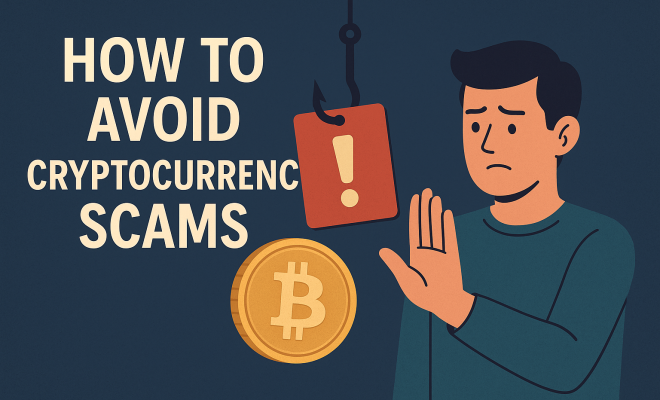
How to avoid cryptocurrency scams
“`html
Cryptocurrency has revolutionized the financial landscape, offering unprecedented opportunities for investment and growth. However, as the popularity of digital currencies rises, so does the prevalence of scams. If you’re looking to invest or trade in cryptocurrencies, it’s critical to know how to avoid cryptocurrency scams. Here, we’ll explore ten essential tips that will help you navigate this volatile market safely.
1. Understand the Various Types of Cryptocurrency Scams
Before you can effectively avoid cryptocurrency scams, it’s essential to understand the different types that exist. Scammers often use various tactics, and being aware of these can be your first line of defense.
Some of the most common scams include:
- Pyramid Schemes: These scams promise high returns on investment, but they rely on recruiting others into the scheme rather than legitimate business activities.
- Phishing Scams: These involve fraudulent emails or messages that mimic legitimate exchanges or wallets to steal your credentials.
- Pump and Dump Schemes: Scammers artificially inflate the price of a low-value cryptocurrency by promoting it heavily, only to sell their holdings once the price rises, leaving unsuspecting investors at a loss.
By familiarizing yourself with these scams, you’ll be better equipped to spot red flags and protect your assets.
2. Conduct Thorough Research Before Investing
In the cryptocurrency world, knowledge is power. One of the best ways to avoid cryptocurrency scams is to conduct thorough research on any coin or project before investing. Look for whitepapers, which outline the technology, vision, and utility behind the cryptocurrency.
Check the team’s credentials, community feedback, and any partnerships they may have. A solid project typically has transparency and a well-defined purpose. Websites like CoinMarketCap and CoinGecko can provide valuable information on the cryptocurrency’s performance, market cap, and trading volume.
Don’t just rely on social media hype. While platforms like Twitter and Reddit can offer insights, they can also be hotbeds for misinformation. Always verify claims through reliable sources.
3. Practice Safe Trading Habits
Safe trading habits are crucial for anyone looking to avoid cryptocurrency scams. Always use reputable exchanges for buying and selling cryptocurrencies. Look for platforms that have been in the market for years and have a solid track record of security.
Additionally, enable two-factor authentication (2FA) on your accounts to add an extra layer of security. This requires a second form of verification, often through your mobile device, making it harder for scammers to access your account.
Be wary of public Wi-Fi when trading or accessing your crypto wallet. Use a Virtual Private Network (VPN) to safeguard your connection, as public networks can be easily compromised by hackers.
4. Beware of Unrealistic Promises
One of the most significant indicators of a cryptocurrency scam is unrealistic promises. If an investment opportunity claims you can double or triple your money in a short amount of time with little risk, chances are it’s too good to be true.
Legitimate investments come with risks, and it’s essential to understand that significant returns typically require time and market stability. Always approach claims of guaranteed returns with skepticism, and if you feel rushed into making a decision, take a step back.
Trust your instincts; if something feels off, it probably is.
5. Watch Out for Impersonation Scams
Impersonation scams have become increasingly popular in the cryptocurrency space. Scammers often create fake accounts that mimic well-known personalities, companies, or influencers in the crypto community. They may reach out via social media platforms or even through direct email, offering investment opportunities or giveaways.
Always verify the identity of anyone reaching out to you with investment opportunities. Check their following, look for signs of verification, and never click on links or provide personal information without confirming their legitimacy. (See: CDC on cryptocurrency scams.)
When in doubt, reach out to the real person or organization through official channels to confirm whether the offer is genuine.
6. Use Secure Wallets for Storage
Managing your cryptocurrency securely is essential. Using a reputable wallet can significantly reduce the chances of falling victim to scams. There are two primary types of wallets: software wallets and hardware wallets.
While software wallets are convenient for trading, they are more vulnerable to hacks. On the other hand, hardware wallets store your cryptocurrency offline, making them much more secure. If you’re holding a significant amount of cryptocurrency, consider investing in a hardware wallet like Ledger or Trezor for enhanced security.
Always keep your private keys safe and never share them with anyone. Legitimate services will never ask for your private keys, so be cautious if someone does.
7. Stay Updated on Current Scams
Staying informed about the latest scams in the cryptocurrency space is vital for protecting your investments. Fraudulent schemes are continually evolving, and new scams can surface quickly.
Follow reputable news outlets, cryptocurrency blogs, and forums that discuss scams and fraudulent activities. Websites like CoinDesk and CryptoSlate often report on emerging scams and news that can help you stay ahead of potential threats.
Joining community discussions on platforms like Reddit or Telegram can also provide insights from other users’ experiences with scams. Sharing information is a powerful way to build awareness and protect each other.
8. Be Cautious with Initial Coin Offerings (ICOs)
Initial Coin Offerings (ICOs) can be a lucrative investment opportunity, but they are also a hotbed for scams. Many ICOs have emerged with little to no regulation, leaving investors vulnerable to fraudulent schemes.
Before participating in an ICO, do your homework. Check the project’s whitepaper, team credentials, and community feedback. Look for any past performance metrics that can indicate whether the ICO has a solid foundation.
Additionally, consider the regulatory environment. ICOs that comply with local laws and regulations are less likely to be scams. If an ICO lacks transparency or seems to be avoiding regulatory scrutiny, it’s a major red flag.
9. Utilize Blockchain Analysis Tools
Blockchain analysis tools can be incredibly valuable in identifying potential scams. These tools analyze transaction patterns and can help you spot suspicious activity. Services like Chainalysis and Elliptic provide insights into transactions and can often identify risky wallets.
Using such tools can help you make more informed decisions about which projects or cryptocurrencies to invest in. If you notice a significant amount of money being funneled into projects with no credible background, it might be wise to steer clear.
While these tools can’t guarantee safety from scams, they can certainly provide an additional layer of security in your investment strategy.
10. Trust Your Instincts
Finally, one of the simplest yet most effective pieces of advice for avoiding cryptocurrency scams is to trust your instincts. If something feels suspicious or too good to be true, it probably is. Your intuition can often be a powerful guide when navigating the murky waters of cryptocurrency.
Take your time, don’t rush your decisions, and always prioritize your own research over the opinions of others. Remember, it’s your investment at stake, and you should feel confident in your choices.
In the world of cryptocurrency, scams are unfortunately prevalent, but by following these tips and remaining vigilant, you can significantly reduce your risk. Knowledge is your best defense against these scams, so stay informed, trust your gut, and make wise investment decisions.
11. Recognize Signs of a Scam
Understanding the telltale signs of a scam can be crucial in your quest to avoid cryptocurrency scams. Here’s a more in-depth look at common indicators: (See: New York Times on cryptocurrency scams.)
- Lack of Transparency: If a project is vague about its technology, team members, or operational structure, consider that a red flag.
- Pressure Tactics: Scammers often create a sense of urgency. If you’re being rushed to invest without ample information, it’s time to step back.
- Unprofessional Communication: Poorly written materials with lots of spelling or grammatical errors can indicate a scam.
- Unverifiable Claims: If a project makes outrageous claims like “guaranteed returns,” it’s best to stay away.
12. Investigate Team Backgrounds
One of the best defenses against falling victim to scams is to investigate the teams behind the projects. Check LinkedIn profiles or other social media accounts for the founders and team members of the cryptocurrency you’re interested in. While it’s easy for scammers to create fake accounts, legitimate teams often have a digital footprint that you can trace.
Look for any previous projects they’ve been involved in, and see how those projects performed. If they have a history of success and a good reputation, you’re more likely to be dealing with a legitimate opportunity.
13. Be Mindful of Social Media Influence
Social media can be a double-edged sword. While it provides information about trends and news, it can also spread misinformation. Always approach investment advice from social media influencers with a healthy dose of skepticism. Many influencers get paid to promote coins or tokens without doing due diligence themselves.
Before acting on any tips you see online, verify the information through credible sources. Remember that the information is only as good as the person delivering it; if they have a history of endorsements for questionable projects, it’s best to reconsider.
14. Learn About Regulatory Compliance
Regulation in the cryptocurrency space is evolving worldwide, and it’s essential to understand the legal landscape in your jurisdiction. Familiarize yourself with which cryptocurrencies and platforms are compliant with local laws. Projects that operate within regulatory frameworks are less likely to be scams.
Many countries have issued guidelines or regulations regarding cryptocurrency, so staying updated can help you make safer investment decisions. Researching whether a project has registered with authorities can often provide peace of mind.
15. Frequently Asked Questions (FAQ)
What are the most common cryptocurrency scams?
The most common scams include phishing scams, Ponzi schemes, fake ICOs, and impersonation scams. Each of these relies on tricking investors into providing personal information or investing money into fraudulent schemes.
How can I tell if a cryptocurrency exchange is safe?
Look for exchanges with a good reputation, strong security measures (like 2FA), and a history of operations without major hacks. User reviews and independent audits can provide additional insights.
Are all ICOs scams?
No, not all ICOs are scams, but many have been associated with fraudulent activity. It’s crucial to perform proper research and due diligence before participating in any ICO.
What should I do if I think I’ve been scammed?
If you suspect you’ve been scammed, act quickly. Report the scam to the relevant authorities, such as your country’s financial regulatory body. You should also alert your bank and any cryptocurrency exchanges you used. Be sure to document all communications and transactions related to the scam.
Can cryptocurrency scams be reported?
Yes, you can report cryptocurrency scams to local law enforcement, consumer protection agencies, and financial regulators. Many countries have specific departments dedicated to handling cybercrime and fraud.
How can I stay informed about new cryptocurrency scams?
Follow reputable cryptocurrency news websites, join online communities focused on cryptocurrency (like certain subreddits), and subscribe to newsletters from blockchain analysis firms. Engaging with trustworthy sources will help you stay updated.
16. Learn from Others’ Experiences
Another effective strategy for avoiding cryptocurrency scams is to learn from the experiences of others. Online forums and community discussions can provide invaluable insights into scams that others have encountered.
Many users share their stories, highlighting what they learned and what signs they missed. By engaging in these discussions, you can arm yourself with knowledge that might save you from making the same mistakes. (See: Research on cryptocurrency fraud.)
17. Be Skeptical of New Technology
In the rapidly evolving world of cryptocurrency, new technologies and concepts emerge constantly. While innovation is exciting, it can also be a breeding ground for scams. Be cautious with projects that promise cutting-edge technology but lack a clear explanation of how it works.
Always ask yourself whether the project has a functional prototype or if it’s just a concept. If the technology seems too complex to understand or is shrouded in jargon, it’s a good idea to do more research before proceeding.
18. Explore Real-World Examples
Understanding real-world scams can help you identify potential threats. For instance, OneCoin was marketed as a revolutionary cryptocurrency but turned out to be a massive Ponzi scheme, defrauding investors of billions. Scammers often promise high returns and use complex jargon to confuse potential investors.
Another notable example is Bitconnect, which was widely recognized as one of the largest cryptocurrency scams in history. Its promise of guaranteed returns led to significant losses for many investors when the scheme collapsed.
By studying such cases, you can recognize patterns and be more vigilant in your investment decisions.
19. Analyze Historical Data
Another effective way to avoid cryptocurrency scams is to analyze historical data. Look at the price movements of cryptocurrencies over time. If you notice extreme volatility with no clear explanation or backing, it could be a sign of manipulation or a potential scam.
Utilize resources like CoinMarketCap to observe historical price trends, trading volume, and market capitalization. If a coin’s value has suddenly and suspiciously spiked without any fundamental changes to the project, tread cautiously.
By understanding market trends and historical performances, you can better position yourself to identify what may be legitimate investments and what may not.
20. Stay Informed About Regulations
Cryptocurrency regulations are continually evolving. Governments around the world are developing frameworks to protect consumers and regulate the industry. Staying informed about these changes can help you avoid scams. For example, if a cryptocurrency is banned or restricted in your country, participating in its trading could expose you to legal risks and scams.
Regularly check updates from financial regulatory bodies in your country. Understanding the legal landscape can offer insights into which cryptocurrencies and exchanges are considered legitimate and which may be operating outside the law.
By following these guidelines and remaining vigilant, you can create a strong defense against potential cryptocurrency scams. As the market continues to evolve, staying informed and educated will be your best tools for protecting your investments.
“`
Trending Now
Frequently Asked Questions
What are the common types of cryptocurrency scams?
Common types of cryptocurrency scams include pyramid schemes, phishing scams, and pump and dump schemes. Pyramid schemes promise high returns by recruiting others, phishing scams use fake emails to steal credentials, and pump and dump schemes artificially inflate a cryptocurrency's price before selling it off, leaving investors at a loss.
How can I protect myself from cryptocurrency scams?
To protect yourself from cryptocurrency scams, conduct thorough research on any coin or project before investing. Look for whitepapers, check the team's credentials, and seek community feedback. Being informed about the market and recognizing red flags can significantly reduce your risk.
What should I look for before investing in cryptocurrency?
Before investing in cryptocurrency, examine the project's whitepaper for its technology and purpose, review the team's credentials, and check community feedback. Transparency and a solid vision are key indicators of a legitimate project, which can help you avoid scams.
What is a pump and dump scheme in cryptocurrency?
A pump and dump scheme in cryptocurrency involves scammers artificially inflating the price of a low-value coin through heavy promotion. Once the price rises, they sell their holdings, leaving unsuspecting investors with losses as the price plummets.
How can I identify a phishing scam in cryptocurrency?
To identify a phishing scam in cryptocurrency, be cautious of unsolicited emails or messages that mimic legitimate exchanges or wallets. Look for spelling errors, unusual sender addresses, and never click on suspicious links. Always verify the source directly through official channels.
Have you experienced this yourself? We’d love to hear your story in the comments.