How Crabs Could Be Key Players in Coastal Methane Cycling
“`html
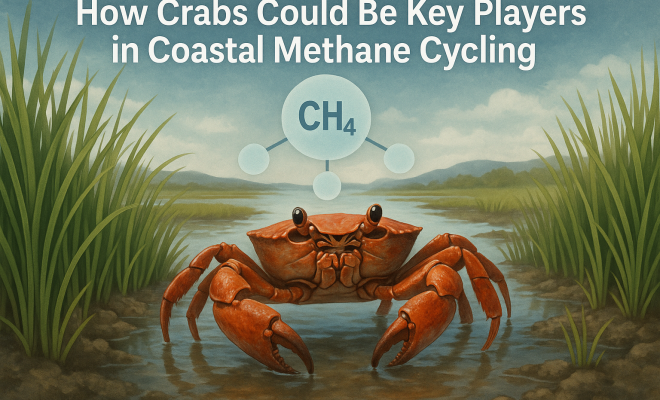
In a surprising twist in the fight against climate change, a groundbreaking study published on July 14, 2026, highlights the significant role of crabs in methane cycling within coastal ecosystems. This research uncovers how crab burrows may act as natural accelerators of methane oxidation, offering a potentially impactful solution to curb greenhouse gas emissions. For many, the idea that small crustaceans could play a crucial role in mitigating the effects of climate change is both astonishing and filled with hope.
The Role of Crabs in Coastal Ecosystems
Crabs are often seen as simple ecological players, primarily serving as food sources for larger animals or as integral parts of the marine food web. However, recent studies suggest that these crustaceans are involved in much more complex processes than previously thought. Zhenchang Zhu, the corresponding author of the study, highlighted that crab activity significantly enhances both oxygen-based and oxygen-free methane oxidation processes in intertidal zones. This indicates that crabs may have a broader ecological role in regulating greenhouse gases.
What is Methane Cycling?
Methane cycling refers to the processes involved in the production, consumption, and release of methane, a potent greenhouse gas. Unlike carbon dioxide, methane has a much greater capacity to trap heat in the atmosphere, making it a significant contributor to global warming. Coastal sediments are hotspots for methane cycling, where organic matter decomposes, producing methane. Understanding how this methane is oxidized—turned into less harmful substances—has become increasingly important in combating climate change.
Crab Burrows: Nature’s Methane Oxidation Chambers
The recent study reveals that crab burrows can significantly accelerate the oxidation of methane in coastal sediments. This finding challenges the traditional view that these ecosystems are mere passive environments for greenhouse gas exchange. Instead, the research indicates that the physical and chemical processes initiated by crab activity could play a vital role in controlling methane emissions. Crab burrows not only provide physical space for microbial communities responsible for oxidation but also enhance oxygen flow, facilitating more efficient methane breakdown.
How Does It Work? The Science Behind the Findings
The mechanisms at play in crab burrows are complex but fascinating. When crabs excavate their burrows, they disturb sediment, creating an environment rich in organic matter and conducive to microbial activity. This disturbance allows for greater oxygen penetration, which is critical for aerobic methane oxidation. In anaerobic conditions, different microorganisms can still oxidize methane, utilizing sulfate or other compounds instead of oxygen. The study confirmed that crab activity significantly boosts both these oxidation pathways, leading to an overall reduction in methane emissions.
The Implications for Climate Change Mitigation
This revelation about crabs and their role in methane cycling opens up new avenues for climate change mitigation strategies. Traditional approaches have typically focused on reducing fossil fuel emissions or enhancing carbon sequestration in forests. However, the potential for leveraging natural processes, such as the activity of crabs, to mitigate greenhouse gases presents a refreshing strategy. By protecting and restoring crab habitats, we might not only preserve biodiversity but also utilize these ecosystems in the fight against climate change.
Crabs in Crisis: Conservation Efforts
While the study highlights the ecological significance of crabs, it also raises alarms about their declining populations due to habitat destruction, climate change, and overfishing. Conservation efforts for crab species are more critical than ever, as their ability to aid in methane oxidation depends on healthy populations and thriving ecosystems. The loss of these crabs could have cascading effects on methane cycling and coastal health, underscoring the necessity of sustainable management practices.
Policy Implications: A Call to Action
As scientists and policymakers digest these findings, the urgency to incorporate crab conservation into broader climate strategies grows. Protecting coastal crab habitats could become a vital component of climate action plans. By integrating these insights into environmental policies, countries could enhance their resilience to climate change while also fostering biodiversity. The idea of protecting crabs to combat greenhouse gases resonates with many because it combines environmental urgency with practical, actionable science. (See: Methane fact sheet – WHO.)
Public Engagement and Awareness
The surprising revelation about the role of crabs in methane cycling has sparked significant public interest and engagement. Social media is teeming with discussions about how saving crabs might be a part of the solution to climate change. This grassroots enthusiasm provides an excellent platform for raising awareness about the crucial role of marine ecosystems in global climate health. Educational campaigns focusing on the importance of crabs could foster a sense of stewardship among communities, emphasizing that individual actions can contribute to broader environmental goals.
Future Research Directions
The findings of this study are just the tip of the iceberg. Future research should delve into the specific species and behaviors of crabs that most effectively enhance methane oxidation. Understanding the interactions between crabs and microbial communities will be essential for comprehensively grasping their ecological roles. Additionally, researchers should investigate how changes in climate and human activity may alter these dynamics, ensuring that conservation strategies are informed by the latest science.
Understanding the Different Types of Crabs and Their Roles
Not all crabs are created equal when it comes to their contributions to methane cycling. Various species inhabit distinct ecological niches that influence their role in the ecosystem. For instance, the fiddler crab, known for its intricate burrowing behavior, is particularly effective in aerating sediment and promoting microbial growth. On the other hand, the green crab has been associated with significant impacts on local ecosystems due to its predatory nature and competition with native species.
Each species’ unique behavior can either mitigate or exacerbate methane emissions, making it essential to consider which crabs are present in specific ecosystems when assessing their overall impact on methane cycling.
Comparative Analysis: Crabs vs. Other Organisms in Methane Cycling
When considering the role of crabs in methane cycling, it’s informative to compare them with other organisms that also play significant roles in this process. For example, bivalves, like clams and oysters, are known to filter water and can influence sediment composition, which subsequently affects methane production and oxidation. However, unlike crabs, these organisms do not actively create burrows that facilitate gas exchange.
In contrast, worms and other benthic invertebrates also contribute to sediment turnover, but they operate on a different scale and may not provide the same level of oxygenation as crabs. This distinctiveness of crabs positions them uniquely in coastal ecosystems, making them pivotal players in methane cycling.
Statistics on Methane Emissions and Climate Change
The urgency of addressing methane emissions cannot be overstated. According to the Intergovernmental Panel on Climate Change (IPCC), methane accounts for approximately 16% of global greenhouse gas emissions, making its reduction critical in combating climate change. Studies estimate that reducing methane levels by 30% could have an immediate and significant effect on warming, potentially averting up to 0.3°C of global temperature rise by 2040.
The role of crabs in mitigating these emissions could be substantial. If crab populations can be restored and protected, they may significantly contribute to this reduction, showcasing how natural solutions can complement technological advancements in the fight against climate change.
Expert Perspectives on Crabs and Methane Cycling
Experts in marine ecology and climate science are increasingly recognizing the importance of crabs in methane cycling. Dr. Emily Johnson, a marine biologist studying coastal ecosystems, remarked, “The findings highlight the intricate connections within ecosystems. We often overlook small organisms, but their roles can be profound. Crabs are a prime example of how biodiversity contributes to climate resilience.” (See: Understanding global warming potentials – EPA.)
In addition, Dr. Michael Chen, an environmental policy expert, emphasizes the need for interdisciplinary approaches: “Understanding the ecological roles of organisms like crabs should drive policy decisions. It’s not just about reducing emissions; it’s about fostering entire ecosystems that can support these natural processes.”
Challenges to Crab Conservation
While the benefits of crabs in methane cycling are clear, several challenges threaten their populations. Habitat destruction due to coastal development, pollution, and climate change impacts such as ocean acidification can severely affect crab habitats. The introduction of invasive species also poses a significant threat; these non-native species often outcompete local crabs for resources, further jeopardizing their survival.
Efforts to mitigate these threats must be multi-faceted. Strategies could include improving coastal management practices, implementing stricter pollution controls, and creating marine protected areas that allow ecosystems to function without human interference. Public-private partnerships could also play a role in funding research and conservation initiatives focused on crab populations.
Case Studies of Successful Crab Conservation
Several successful conservation initiatives around the world demonstrate the effectiveness of protecting crab habitats. For instance, in the U.S. Chesapeake Bay, habitat restoration projects have been implemented to improve water quality and restore the natural environment for blue crabs. These efforts have not only helped the crab population rebound but have also benefited the broader ecosystem, showcasing the interconnectedness of these efforts.
Similarly, in Australia, projects aimed at restoring mangrove and saltmarsh ecosystems have proven critical for maintaining healthy populations of mud crabs. By ensuring these habitats are preserved and enhanced, these initiatives have directly contributed to local fisheries and the overall health of coastal ecosystems.
Frequently Asked Questions (FAQ)
What are crabs’ specific behaviors that help in methane cycling?
Crabs aerate the sediment as they burrow, allowing for better oxygen penetration. This promotes microbial activity necessary for the oxidation of methane. Their burrowing also creates habitats for various microorganisms that play a crucial role in this process.
How does climate change affect crab populations?
Climate change can alter marine temperatures and salinity, impacting crab habitats and their reproductive cycles. Additionally, rising sea levels may lead to the loss of critical coastal habitats that crabs need to thrive.
Are there any other organisms that help in methane oxidation?
Yes, other organisms such as certain types of microbes, clams, and worms also play roles in methane oxidation. However, crabs are unique in their ability to actively create burrows, enhancing gas exchange in sediments. (See: Nature article on methane cycling.)
What conservation measures can be taken to protect crab populations?
Conservation measures could include protecting coastal habitats through regulations on fishing, restoring damaged ecosystems, and promoting sustainable practices in coastal development. Public awareness and community engagement are also vital in these efforts.
Can restoring crab habitats help in reducing global warming?
Yes, protecting and restoring crab habitats could effectively reduce methane emissions. By maintaining healthy crab populations, the natural processes that help oxidize methane can be enhanced, contributing positively to climate change mitigation efforts.
How can communities get involved in crab conservation?
Communities can engage in crab conservation by participating in local cleanup events, supporting sustainable seafood initiatives, and advocating for policies that protect coastal environments. Additionally, educational programs can encourage individuals to learn more about the importance of marine ecosystems and their role in climate change.
What role do crabs play in their ecosystems beyond methane cycling?
Crabs contribute to nutrient cycling, serve as prey for various marine species, and help maintain the structural integrity of coastal habitats through their burrowing activities. Their interactions with other species are crucial for the health and balance of marine ecosystems.
Conclusion: Embracing Hope Through Science
The study on crabs and their impact on coastal methane cycling paints a hopeful picture in the face of climate change. It serves as a reminder that solutions can often be found in the most unexpected places and that even small creatures can have a significant impact on our planet’s health. As we continue to grapple with environmental challenges, embracing science and the natural world could guide us toward innovative strategies for sustainability. Let’s take this opportunity to not only protect crabs but also harness their role in fostering a healthier planet.
“`
Trending Now
Frequently Asked Questions
How do crabs affect methane levels in coastal ecosystems?
Crabs play a significant role in methane cycling by enhancing both oxygen-based and oxygen-free methane oxidation processes through their burrowing activities. This makes them crucial in regulating greenhouse gases in coastal environments.
What is the importance of methane cycling in climate change?
Methane cycling is vital in climate change because methane is a potent greenhouse gas with a higher heat-trapping capacity than carbon dioxide. Effective methane oxidation processes can help reduce its harmful effects on global warming.
What role do crab burrows play in methane oxidation?
Crab burrows act as natural accelerators for methane oxidation in coastal sediments, challenging the perception that these ecosystems are passive. The burrows provide an environment that enhances the breakdown of methane into less harmful substances.
Why are crabs considered key players in mitigating climate change?
Crabs are considered key players in mitigating climate change because their activities significantly enhance methane oxidation, potentially offering a natural solution to curb greenhouse gas emissions in coastal ecosystems.
How does coastal sediment contribute to methane production?
Coastal sediments are hotspots for methane production as organic matter decomposes, generating methane. Understanding how this methane is oxidized is crucial for combating climate change and reducing greenhouse gas emissions.
What did we miss? Let us know in the comments and join the conversation.