Asteroid 2026 FB: A Close Encounter with Earth in 2026
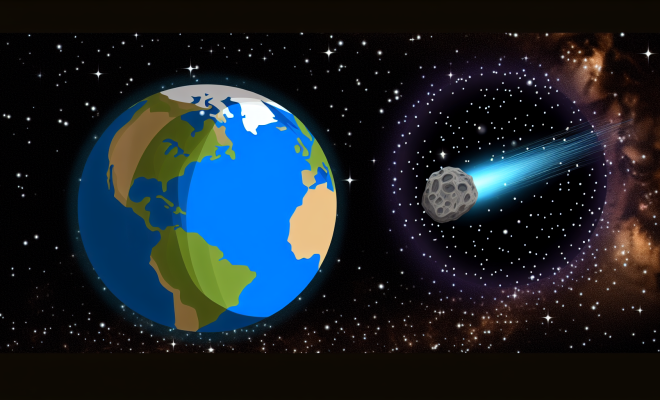
On March 18, 2026, Earth will experience a close encounter with a sizable asteroid known as 2026 FB. This celestial body, measuring approximately 69 feet (21 meters) in diameter, is comparable in size to a small airplane. NASA has confirmed that this asteroid will fly past our planet at a distance of about 683,000 miles (1.1 million kilometers), which is more than twice the distance between the Earth and the Moon.
Understanding Asteroid 2026 FB
Asteroid 2026 FB is classified as a near-Earth object (NEO). NEOs are asteroids and comets that have been nudged by the gravitational attraction of nearby planets into orbits that bring them into proximity with Earth. While 2026 FB is certainly a noteworthy object, NASA has assured the public that there is no threat associated with its approach.
Monitoring by NASA and Other Agencies
NASA and other space agencies around the world continuously track such objects to better understand their trajectories, speeds, and compositions. For 2026 FB, ground-based telescopes and radar systems will be utilized to monitor its approach. This data collection is crucial for several reasons:
- Planetary Defense: Continuous monitoring helps scientists assess the risk of potential collisions with Earth.
- Solar System Dynamics: Studying asteroids can provide insights into the formation and evolution of our solar system.
- Public Awareness: Keeping the public informed about NEOs helps alleviate fears and misconceptions regarding potential impacts.
The Importance of Tracking Near-Earth Objects
The tracking of NEOs like 2026 FB is crucial not only for planetary defense but also for scientific exploration. As asteroids are remnants from the early solar system, they can provide valuable information about its history and the processes that shaped it. By studying their composition and behavior, researchers can gain insights into:
- The Origins of Water: Some scientists believe that comets and asteroids may have delivered water to Earth, making them key players in the development of life.
- Mineral Resources: Future missions to asteroids could open up new possibilities for resource extraction, including precious metals and other materials.
- Space Exploration: Understanding how asteroids behave in space can aid in planning future missions, including potential manned missions to these celestial bodies.
The Future of Asteroid Monitoring
As technology advances, the ability to track and analyze NEOs is becoming more sophisticated. The upcoming encounter with asteroid 2026 FB is just one of many expected in the coming years. NASA and other organizations are developing new technologies and methodologies to enhance our understanding of asteroids:
- Improved Detection Systems: Enhanced radar and telescope systems are being deployed to identify and track smaller NEOs that were previously difficult to detect.
- Space Missions: Missions like NASA’s OSIRIS-REx and Hayabusa2 have successfully collected samples from asteroids and returned them to Earth, providing direct insights into their composition.
- International Collaboration: Global partnerships are being formed to share data and resources in the ongoing effort to monitor and understand NEOs.
Public Engagement and Education
NASA emphasizes the importance of public engagement when it comes to space-related news. Events like the close approach of asteroid 2026 FB can spark interest in space science and encourage educational initiatives. Schools and educational institutions may use these opportunities to inspire students to learn more about astronomy, physics, and planetary science.
As the date of the asteroid’s closest approach draws nearer, NASA will continue to provide updates and information. Enthusiasts and the curious public can follow the agency’s findings and participate in discussions about the significance of such events.
Conclusion
Asteroid 2026 FB serves as a reminder of the dynamic nature of our solar system and the ongoing need to monitor celestial objects that come close to our planet. With robust tracking systems and international collaboration, scientists remain vigilant in understanding the behavior of asteroids, ensuring that Earth remains safe while fostering a deeper appreciation for the wonders of space.