Hong Kong’s AI Cyberattack Warning: A New Era for Financial Security
“`html
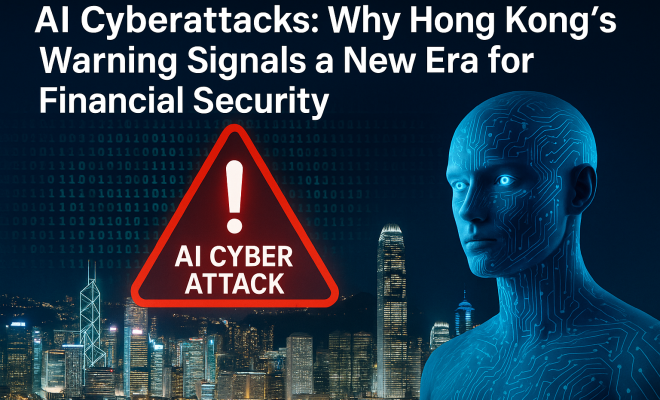
The recent alert from the Hong Kong Securities and Futures Commission (SFC) has sent ripples throughout the financial sector. In a notable circular, the SFC cautioned firms about an increasing threat posed by AI-powered cyberattacks, emphasizing the need for immediate, robust cybersecurity measures. This warning is a call to action for all involved in Hong Kong cybersecurity, especially those within the financial services realm.
The Context of the SFC’s Warning
As the financial landscape continues to evolve with the integration of artificial intelligence, the potential for sophisticated cyber threats is growing exponentially. The SFC’s warning highlights that firms can no longer afford to be complacent. AI technology, while a boon for operational efficiencies, also presents a dual-use dilemma: it can be leveraged by malicious actors for more effective attacks.
The circular outlines a series of mandatory actions for compliance that are critical for protecting sensitive financial data. With global investors keeping a close watch on these developments, the stakes couldn’t be higher. The urgency expressed in the circular goes beyond mere compliance; it taps into a fear of missing out on safeguarding businesses against forthcoming threats.
Understanding AI-Powered Cyberattacks
AI cyberattacks are notable for their speed and sophistication. Unlike traditional attacks, which often rely on brute-force methods, AI-driven threats can adapt and evolve. They can analyze systems in real time, identify vulnerabilities, and exploit them faster than human defenders can respond. This was a central theme in the SFC’s message, underscoring how these attacks occur at an unprecedented speed that leaves little room for error.
One of the significant risks highlighted is the potential for model manipulation and prompt-injection attacks. These forms of attacks can compromise AI models, leading to erroneous outcomes that could impact financial decisions and operations. For many firms, these risks were previously overlooked, but the SFC’s warning brings them into sharp focus.
The Five Critical Areas of Focus
To combat these emerging threats, the SFC outlined five critical areas that firms must prioritize:
- Patching: Regular updates to software and systems to mitigate vulnerabilities.
- Access Controls: Implementation of strict access protocols to limit unauthorized entry.
- Detection: Enhanced systems for identifying potential cyber threats in real time.
- Supply Chain Risk: Assessing and managing risks associated with third-party vendors.
- Incident Response: Developing a robust plan for responding to security breaches.
This framework serves as a guideline for firms aiming to bolster their defenses against AI-fueled threats. Compliance officers, in particular, should take heed of these points as they prepare for stricter regulations in the sector.
Phishing-Resistant Multi-Factor Authentication
One of the core recommendations from the SFC emphasizes the need for phishing-resistant multi-factor authentication. Traditional password systems are increasingly inadequate against sophisticated phishing attacks. By requiring additional authentication factors, firms can significantly reduce the risk of unauthorized access.
Implementing such measures isn’t merely about ticking boxes for compliance; it’s about fundamentally reinforcing the security posture of organizations. Many firms are now re-evaluating their authentication practices and exploring advanced technologies, such as biometric recognition and hardware tokens, to enhance their defenses.
Least Privilege Access
The principle of least privilege access is another key area of focus outlined in the SFC’s circular. This principle mandates that employees should only have access to the information and resources necessary for their job functions. By limiting access, organizations can reduce the risk of internal breaches and mitigate the potential damage of a compromised account.
This approach has gained traction in various sectors, and its importance has only been magnified in light of AI-driven threats. Firms need to audit their access controls regularly and adjust them based on evolving roles and responsibilities within the organization. (See: CDC Cybersecurity Overview.)
Accelerated Vulnerability Remediation
Given the speed at which AI cyberattacks can occur, the need for accelerated vulnerability remediation cannot be overstated. The SFC’s warning indicates that firms must be prepared to act quickly when vulnerabilities are identified. This means having a clear protocol in place that prioritizes vulnerability management as a critical function within cybersecurity operations.
Organizations should invest in tools that automate vulnerability assessments and provide real-time insights into their security posture. By doing so, they enhance their ability to respond swiftly and effectively to potential threats.
The Social Media Response
The SFC’s circular has ignited a flurry of discussions on social media platforms, particularly among cybersecurity professionals and financial analysts. Many are expressing concerns about the regulatory implications of the warning, questioning whether it represents an overreach by regulatory authorities.
While some see this as an essential move to protect the financial sector, others argue that the financial burden of compliance could disproportionately impact smaller firms. The debate centers around the need for regulatory frameworks that address the unique challenges posed by AI without stifling innovation and growth.
Global Implications for Investors
The implications of the SFC’s warning extend far beyond Hong Kong’s borders. Investors around the globe are acutely aware of the risks associated with insufficient cybersecurity measures. As a result, the fear of missing out on vital compliance measures has given rise to a sense of urgency among firms not only in Hong Kong but worldwide.
Global investors are increasingly scrutinizing the cybersecurity practices of potential investment targets. A firm’s adherence to the guidelines laid out by the SFC could very well influence investment decisions moving forward. The interconnectedness of global finance means that cybersecurity is now a shared responsibility.
Lessons Learned and the Path Forward
The SFC’s warning serves as a crucial lesson for all sectors, not just finance. As technology continues to advance, so too must our strategies for combating cyber threats. The emphasis on AI cyberattacks highlights the necessity for continuous learning and adaptation within cybersecurity frameworks.
Organizations must foster a culture of security awareness, empowering employees to recognize and respond to threats. Through training and education, firms can create a more resilient workforce capable of thwarting potential attacks before they escalate.
The Role of Government in Cybersecurity
In Hong Kong, the government’s role in cybersecurity is critical. The Hong Kong government has established various initiatives to enhance the overall cybersecurity posture of the region. The Cybersecurity and Technology Crime Bureau (CSTCB) works closely with both public and private sectors to strengthen defenses against cyber threats.
Furthermore, the government is investing in public awareness campaigns, encouraging businesses to adopt best practices in cybersecurity. By promoting a culture of cybersecurity, businesses are more likely to see the value in compliance and proactive measures, creating a safer environment for all.
Emerging Technologies in Defense
With the rise of AI-powered attacks, emerging technologies are being explored as potential defenses. Technologies such as blockchain are being considered for their ability to create secure transactions and enhance data integrity. Blockchain’s decentralized nature makes it difficult for hackers to alter data, providing an additional layer of security for financial transactions.
Another promising area is the use of machine learning algorithms to predict and counteract potential cyber threats. By analyzing vast amounts of data, these algorithms can identify patterns indicative of an impending attack, allowing firms to take preemptive action. This builds on essential steps for advisors.
Case Studies of Successful Cybersecurity Implementations
To illustrate best practices in Hong Kong cybersecurity, let’s delve into a few case studies of organizations that have successfully fortified their defenses: (See: New York Times on AI Cybersecurity.)
- Bank of China (Hong Kong): This bank adopted an advanced threat detection system utilizing AI to monitor its network for unusual activities. The integration of machine learning algorithms has allowed the bank to respond more swiftly to potential threats, significantly reducing response times.
- HKEX (Hong Kong Exchanges and Clearing): They implemented a comprehensive cybersecurity framework that includes regular employee training and simulations of cyberattack scenarios. This proactive approach has helped in creating a workforce that is vigilant and well-prepared to handle cyber threats.
- HSBC: The bank has established a global cybersecurity operations center that allows for real-time monitoring and quick response to threats. By leveraging AI and blockchain technology, HSBC has improved its security protocols, making it a leader in cybersecurity within the financial sector.
Statistics on Cyber Threats in Hong Kong Financial Sector
Understanding the scope of cyber threats is essential for firms in Hong Kong. Recent statistics reveal alarming trends:
- A report published by the Hong Kong Monetary Authority showed a 40% increase in reported cyber incidents in the financial sector over the past year.
- Financial firms that have invested in cybersecurity technologies saw a 60% reduction in successful breaches compared to those that had not implemented such measures.
- According to a survey by PricewaterhouseCoopers, 75% of financial institutions in Hong Kong believe that AI will play a crucial role in their cybersecurity strategies going forward.
Expert Perspectives on Hong Kong Cybersecurity
Industry experts are weighing in on the SFC’s warning and the future of cybersecurity in Hong Kong. Dr. Emily Chan, a renowned cybersecurity researcher, states, “The integration of AI in cybersecurity is no longer optional; it’s a necessity. Firms must adapt to these evolving threats or risk catastrophic failures.”
Another expert, Mr. David Wong, a cybersecurity consultant, emphasizes the importance of collaboration: “The financial sector needs to work closely with government entities and tech firms to develop comprehensive cybersecurity strategies. Only through collaboration can we truly fortify our defenses.”
Frequently Asked Questions (FAQ)
What is the SFC’s role in Hong Kong cybersecurity?
The SFC regulates the securities and futures markets in Hong Kong and has the authority to issue guidelines and circulars to enhance cybersecurity practices within the financial sector. For more on this, see 2026 cyberattack predictions.
How can firms enhance their cybersecurity posture?
Firms can enhance their posture by prioritizing the five critical areas outlined by the SFC: patching, access controls, detection, supply chain risk management, and incident response planning.
What technologies are recommended for combating cyber threats?
Technologies such as AI for threat detection, blockchain for secure transactions, and advanced multi-factor authentication systems are recommended for combating cyber threats.
How often should firms conduct cybersecurity training?
Regular training sessions should be conducted at least quarterly, with additional simulations and updates provided as new threats emerge.
What penalties do firms face for non-compliance with SFC regulations?
Firms may face hefty fines, reputational damage, and potential legal actions if they fail to comply with SFC regulations regarding cybersecurity.
Current Trends in Cybersecurity for Financial Institutions
As the cybersecurity landscape in Hong Kong evolves, several notable trends are shaping the future of Hong Kong cybersecurity in financial services:
- Zero Trust Architecture: Many organizations are adopting a zero-trust approach, which assumes that threats could be internal or external. This model requires verification from everyone trying to access resources within the network, greatly enhancing security.
- Increased Investment in Cyber Insurance: With the rise in cyberattacks, financial institutions are increasingly investing in cyber insurance policies. These policies help mitigate the financial impact of data breaches and other cyber incidents, providing a safety net for firms navigating this volatile landscape.
- Integration of Advanced Analytics: Firms are leveraging advanced analytics to monitor network traffic and user behavior in real-time. By utilizing machine learning and big data technologies, they can identify anomalies that indicate potential cyber threats much earlier than traditional methods.
The Importance of Incident Response Planning
Having a robust incident response plan (IRP) is non-negotiable for financial institutions in Hong Kong. An effective IRP outlines the steps to be taken when a cybersecurity incident occurs. This includes identifying the incident, containing it to prevent further damage, eradicating the threat, recovering from the incident, and communicating with stakeholders. (See: Nature article on AI in cybersecurity.)
Regularly testing and updating the IRP is essential. Simulated cyberattack exercises can help firms evaluate their preparedness and identify gaps in their response strategies. Many organizations in Hong Kong have recognized the necessity of these drills, incorporating them into their training programs to improve readiness and response times.
Collaboration Between Private and Public Sectors
The fight against cyber threats in Hong Kong is increasingly characterized by collaboration between private firms and public agencies. The Hong Kong government has initiated various platforms and programs to foster dialogue and cooperation among stakeholders in the cybersecurity domain.
For instance, the Cybersecurity Fortnight, an event organized by the Hong Kong government, brings together industry leaders, tech experts, and regulators to discuss challenges and solutions in cybersecurity. Such initiatives promote knowledge sharing and the establishment of best practices that can significantly enhance the overall cybersecurity landscape in Hong Kong.
Future Directions for Hong Kong Cybersecurity
Looking ahead, the future of Hong Kong cybersecurity will hinge on several factors:
- Regulatory Developments: As the threat landscape evolves, so too will the regulatory framework. The SFC and other authorities are likely to refine their guidelines, focusing on technologies and practices that bolster resilience against AI-driven attacks.
- Cross-Border Collaborations: With the interconnectedness of global finance, cross-border collaborations will become increasingly important. Sharing threat intelligence and best practices across jurisdictions can help firms stay ahead of potential threats.
- Emphasis on Human Factor: Despite advancements in technology, human error remains a significant factor in cybersecurity breaches. Future strategies will need to prioritize employee training and awareness, cultivating a workforce that understands its role in safeguarding the organization.
The Future of Cybersecurity Education in Hong Kong
To meet the increasing demand for cybersecurity professionals, educational institutions in Hong Kong are ramping up their cybersecurity programs. Universities are launching specialized degrees and certifications focused on cybersecurity, equipping graduates with the skills necessary to combat modern threats.
In addition, partnerships between academia and industry are being established to facilitate internships and hands-on experiences for students. This not only helps students gain practical knowledge but also assists firms in finding qualified candidates to fill critical cybersecurity roles.
Conclusion: The Future of Hong Kong Cybersecurity
As we move forward, the landscape of Hong Kong cybersecurity will undoubtedly evolve. The SFC’s warning serves as both a wake-up call and a roadmap for firms operating in the financial sector. By prioritizing cybersecurity measures and adapting to the rapidly changing threat environment, businesses can not only protect themselves but also contribute to the overall stability and security of the financial ecosystem.
Ultimately, the proactive steps taken today will determine the resilience of organizations against tomorrow’s threats. It’s clear that the challenges posed by AI-powered cyberattacks are not ones that can be ignored. The time for action is now, and firms must take the necessary steps to safeguard their operations and assets.
“`
Trending Now
Frequently Asked Questions
What is the significance of the SFC's warning about AI cyberattacks?
The SFC's warning highlights the increasing threat of AI-powered cyberattacks in Hong Kong's financial sector. It emphasizes the urgency for firms to adopt robust cybersecurity measures to protect sensitive data, as AI technology can be exploited by malicious actors, making traditional defenses less effective.
How do AI-powered cyberattacks differ from traditional attacks?
AI-powered cyberattacks are characterized by their speed and adaptability. Unlike traditional attacks that often use brute-force methods, AI threats can analyze systems in real time, identify vulnerabilities, and exploit them quickly, making them more challenging for human defenders to counter.
What are the risks associated with AI cyberattacks in financial services?
Risks include model manipulation and prompt-injection attacks, which can compromise AI systems and lead to incorrect financial decisions. The SFC warns that these sophisticated threats can occur at unprecedented speeds, posing significant challenges for financial institutions.
What actions are firms in Hong Kong required to take in response to the SFC's alert?
Firms are mandated to implement immediate and robust cybersecurity measures as outlined in the SFC's circular. This includes enhancing their defenses against AI-driven attacks and ensuring compliance to safeguard sensitive financial information from emerging threats.
Why is there a growing concern about AI in cybersecurity?
The integration of AI in financial services, while beneficial for efficiency, also presents new vulnerabilities. Malicious actors can leverage AI for more sophisticated attacks, making it crucial for organizations to stay vigilant and update their cybersecurity strategies accordingly.
What's your take on this? Share your thoughts in the comments below — we read every one.