Generative AI in K-12: Uncovering Hidden Dangers
“`html
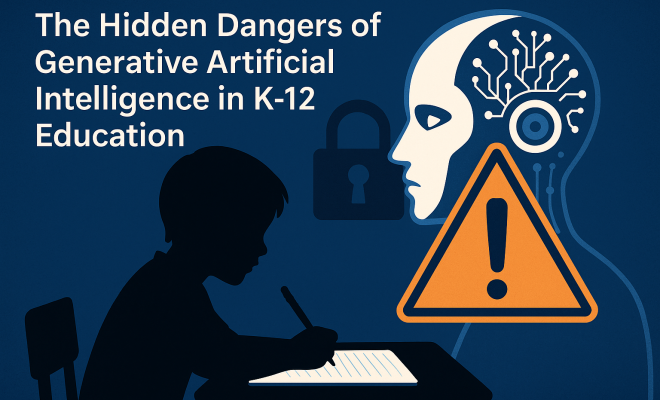
As technology continues to infiltrate our daily lives, the debate surrounding generative artificial intelligence in education is becoming increasingly urgent. The integration of AI tools in K-12 settings promises innovative teaching methods and personalized learning experiences, but it also raises significant concerns. While educators and policymakers are racing to adopt these technologies, researchers emphasize that the implications of their use are not yet fully understood. This article explores the potential risks associated with generative AI in K-12 education, emphasizing the need for careful consideration before fully embedding these technologies into the classroom.
Understanding Generative Artificial Intelligence
Generative artificial intelligence refers to algorithms capable of creating new content based on existing data. This technology can generate text, images, audio, and even complex simulations. In an educational context, it can support students by providing tailored feedback, developing personalized learning plans, and enhancing engagement through interactive learning environments. However, the rapid pace of adoption has left many educators and researchers scrambling to comprehend the full range of impacts this technology may have.
Potential Disruptions to Learning Quality
One of the foremost concerns regarding the implementation of generative AI in K-12 education is its potential disruption to the quality of learning. With AI-driven tools increasingly taking on roles traditionally held by teachers, there is a growing fear that students may receive a diluted educational experience. For instance, while AI can provide tailored feedback for homework assignments, it cannot replace the nuanced understanding and emotional support that a human teacher offers.
Moreover, there’s the risk of over-reliance on AI tools. If students depend on AI-generated solutions rather than developing their own critical thinking and problem-solving skills, they may emerge from their education less prepared for real-world challenges. The concern is that generative AI could inadvertently encourage surface-level engagement, where students complete tasks without a deep understanding of the material.
Classroom Fairness and Equity Issues
Another significant risk associated with generative AI in education is the potential for exacerbating existing inequities in the classroom. Not every student has equal access to technology or the internet, which raises questions about fairness in educational opportunities. Schools in affluent areas may quickly adopt advanced AI tools, while underfunded schools struggle to keep up. This disparity could create a two-tiered educational system, where students in wealthier districts receive a richer, more technologically enhanced education compared to their peers.
Additionally, generative AI systems can inherit biases present in their training data, leading to skewed outputs that may reinforce stereotypes or perpetuate misinformation. If these biases go unchecked, they could influence how students perceive themselves and their capabilities, potentially widening the achievement gap.
Impacts on Student Development
Integrating generative artificial intelligence into K-12 education could also have unintended consequences for student development. The social and emotional growth of students relies heavily on interpersonal interactions—skills honed through collaboration with peers and guidance from teachers. If AI tools become a primary form of interaction, students may miss out on crucial opportunities to develop empathy, communication skills, and teamwork.
The rise of AI in the classroom could also contribute to increased anxiety among students. The pressure to perform well in an environment where AI constantly evaluates and provides feedback might create a competitive atmosphere that undermines a student’s willingness to take risks or engage deeply with challenging material. If students feel they are being constantly assessed by an impersonal system, their intrinsic motivation to learn could suffer.
Ethical Considerations in Data Use
With generative AI systems relying on vast amounts of data, ethical considerations regarding data privacy and security must be front and center. Students’ personal information, learning habits, and performance metrics can be collected by these systems, raising concerns over who owns this data and how it will be used. Schools must navigate the delicate balance between leveraging data to enhance educational outcomes and protecting students’ privacy.
Moreover, the collection of data can lead to issues of consent—particularly for younger students who may not fully understand the implications of their information being used. Parents and guardians must be informed and involved in decisions about data use to ensure that children’s rights are respected and upheld. (See: AI's impact on education quality.)
The Role of Educators in an AI-Enabled Classroom
As generative artificial intelligence becomes more integrated into K-12 education, the role of educators is likely to evolve. Teachers may find themselves transitioning from traditional instruction to more of a facilitative role, guiding students in navigating AI-enhanced learning environments. However, this shift calls for a reevaluation of teacher training programs to ensure educators are equipped to leverage AI effectively while also being aware of its limitations.
Professional development programs should emphasize the importance of critical thinking and ethical considerations surrounding AI use. Educators must be prepared to teach students how to engage with AI tools thoughtfully, enabling them to differentiate between reliable and unreliable information. This approach encourages a culture of inquiry and prepares students for the complexities of navigating a world increasingly influenced by artificial intelligence.
Policy Recommendations for Safe Integration
To mitigate the risks associated with generative artificial intelligence in education, policymakers need to develop comprehensive guidelines that prioritize student welfare and equitable access to technology. These guidelines should advocate for:
- Equitable Access: Ensure that all students have access to necessary tools and resources, regardless of socio-economic background.
- Bias Mitigation: Implement strategies to detect and correct biases in AI algorithms used within educational settings.
- Data Privacy Protections: Establish robust policies that safeguard students’ personal information and provide transparency about data use.
- Ongoing Research: Encourage continuous research into the impacts of AI on learning outcomes to inform future practices.
By addressing these areas, schools can ensure that the integration of generative artificial intelligence enhances educational experiences without compromising fairness or quality.
Generative AI in Different Subjects
Generative artificial intelligence can have diverse applications across various subjects in K-12 education. In language arts, for example, AI tools can assist students in crafting essays or understanding literary elements through interactive storytelling applications. These tools can provide real-time feedback on writing, helping students refine their language skills while fostering creativity.
In STEM fields, AI can simulate complex scientific processes, allowing students to conduct virtual experiments that would otherwise be costly or dangerous in the real world. For instance, platforms that use generative AI can create realistic models of chemical reactions, enabling students to visualize and manipulate variables in a controlled environment. This kind of engagement can enhance understanding and retention of complex scientific concepts.
Furthermore, in social studies, generative AI can help students analyze historical data and create narratives based on different perspectives. This application encourages critical thinking and helps students understand the multifaceted nature of history, promoting a more profound engagement with the material.
Case Studies: Successful Implementation of Generative AI
Several schools and educational institutions around the world have started incorporating generative artificial intelligence into their curricula with promising results. For instance, a school district in California implemented an AI-driven tutoring system that adapts to individual student needs. Initial reports indicated a significant increase in student engagement and performance, particularly among struggling learners who benefited from the tailored support the AI provided.
In another example, a high school in Singapore adopted an AI platform for language learning that generates personalized vocabulary quizzes based on students’ current reading materials. Teachers noted that students were more motivated to practice because the AI made the learning process dynamic and relevant to their experiences.
These case studies highlight the potential of generative AI to enhance learning experiences but also underscore the importance of monitoring the implementation to ensure it meets educational goals without sacrificing quality or equity.
The Future of Generative AI in Education
The future of generative artificial intelligence in education is likely to be shaped by ongoing research, technological advancements, and a greater understanding of its impact on learning. As educators become more familiar with AI capabilities, they may develop innovative approaches to integrate these tools into the classroom more effectively. (See: Technology's role in youth education.)
One potential future application involves the use of virtual reality (VR) combined with generative AI to create immersive learning environments. Imagine students exploring ancient civilizations through AI-generated simulations, interacting with historical figures, or witnessing key events in real-time. This type of experiential learning could revolutionize how we teach history and social sciences.
Additionally, as AI technology continues to evolve, we could see the emergence of adaptive learning environments that respond not only to academic performance but also to the emotional and social needs of students. AI tools that monitor student engagement and emotional well-being could provide educators with insights to tailor support more effectively, ensuring a holistic approach to education.
Challenges and Considerations for Future Implementation
As schools consider the implementation of generative AI tools, they will face various challenges that need to be addressed. One major challenge is ensuring that educators are properly trained to use these technologies. Without adequate training, teachers may feel overwhelmed or resistant to adopting AI tools in their classrooms. Developing comprehensive professional development programs that incorporate hands-on experiences with AI will be crucial for successful integration.
Another challenge is the need for a robust infrastructure to support AI technologies. Many schools may lack the necessary hardware and software to effectively implement these tools. This can lead to disparities in access to technology, further widening the educational gap between wealthy and under-resourced schools. To overcome this, educational institutions must collaborate with tech companies and seek funding opportunities to establish an equitable technological foundation.
Moreover, the ethical implications surrounding AI use in education will continue to evolve. As generative AI tools become more intricate, there may be increasing scrutiny over the data they use and how they operate. Schools must remain vigilant in ensuring that the AI tools they employ are transparent and adhere to ethical guidelines. This vigilance is essential to build trust among students and parents, particularly regarding data privacy and the potential biases embedded in AI systems.
Exploring Generative AI Through the Lens of Cognitive Science
To better understand the impact of generative AI in education, we can draw insights from cognitive science. Research in this field emphasizes the importance of active learning strategies, where students engage with material in meaningful ways. Generative AI can support these strategies by offering personalized pathways that align with individual students’ cognitive processes. For instance, an AI system might identify a student’s preferred learning style—instructional videos, hands-on activities, or reading—and tailor resources accordingly.
Additionally, cognitive science suggests that feedback plays a crucial role in learning. AI systems’ ability to provide real-time, personalized feedback can significantly enhance the learning process. Students can receive immediate insights about their strengths and areas for improvement, which fosters a growth mindset and motivates them to persist even when facing challenges.
FAQs About Generative Artificial Intelligence in Education
What is generative artificial intelligence?
Generative artificial intelligence refers to algorithms that can create new content, such as text, images, and audio, based on existing data. In education, it is used to personalize learning experiences and provide tailored feedback.
How can generative AI enhance personalized learning?
Generative AI can analyze individual student performance and learning styles, allowing it to create customized educational materials and pathways that cater to each student’s unique needs.
What are the primary concerns with using AI in classrooms?
Key concerns include potential disruptions to learning quality, classroom equity issues, impacts on student development, ethical data use, and the evolving role of educators. (See: Research on AI in education.)
How can schools ensure equitable access to AI tools?
Schools can ensure equitable access by advocating for funding and resources that enable all students to access technology, providing training for educators, and creating inclusive policies that address disparities in technology use.
What role will teachers play in an AI-enhanced classroom?
In an AI-enhanced classroom, teachers will transition to facilitative roles, guiding students in navigating AI tools while emphasizing critical thinking and ethical considerations in technology use.
How can parents stay informed about AI use in schools?
Parents can stay informed by engaging with school administrators, attending workshops or meetings about technology use, and participating in discussions about students’ rights related to data privacy and AI tools.
What are the long-term implications of integrating generative AI in education?
Long-term implications include changes to teaching methodologies, shifts in student engagement, and potential impacts on educational equity. Continuous evaluation and adaptation of AI tools will be necessary to ensure they enhance learning without compromising quality.
Can generative AI contribute to teacher workload reduction?
Yes, generative AI can assist in administrative tasks, grading, and providing personalized learning resources, helping to alleviate some of the workload on teachers. However, it’s essential that it complements, rather than replaces, the essential human elements of teaching.
Conclusion: A Call for Responsible Innovation
The integration of generative artificial intelligence in education presents both exciting opportunities and significant risks. While the potential for AI to transform the learning environment is undeniable, we must proceed with caution. The implications of deploying these technologies in classrooms reach far beyond mere convenience—they touch upon fundamental questions of equity, personal development, and the quality of education itself.
As we continue to explore the capabilities of generative AI, it is essential for stakeholders—educators, parents, policymakers, and researchers—to engage in open discussions about its benefits and pitfalls. By fostering a culture of responsible innovation, we can harness the power of generative AI to enrich the educational journey without compromising the core values that underpin effective teaching and learning.
“`
Trending Now
Frequently Asked Questions
What are the risks of using generative AI in K-12 education?
The risks of using generative AI in K-12 education include potential disruptions to learning quality, over-reliance on AI tools, and the possibility of students receiving a diluted educational experience. While AI can offer tailored feedback, it cannot replicate the emotional support and nuanced understanding that human teachers provide.
How can generative AI impact student learning?
Generative AI can impact student learning by providing personalized feedback and enhancing engagement through interactive environments. However, there are concerns that it may lead to over-reliance, where students depend on AI solutions instead of developing critical thinking and problem-solving skills.
Is generative AI beneficial for teachers in K-12 settings?
Generative AI can be beneficial for teachers by offering tools that support personalized learning and streamline administrative tasks. However, educators must be cautious about its integration, ensuring it complements rather than replaces the essential human elements of teaching.
What is generative artificial intelligence?
Generative artificial intelligence refers to algorithms that create new content based on existing data, producing text, images, audio, and simulations. In education, it aims to support students with tailored learning experiences but raises concerns about its long-term effects on teaching and learning.
Why is there concern about AI replacing teachers?
There is concern that AI could replace certain functions of teachers, leading to a diminished educational experience for students. While AI can assist with feedback and personalized learning, it lacks the emotional connection and in-depth understanding that human educators provide, which are crucial for effective teaching.
Agree or disagree? Drop a comment and tell us what you think.