Climate Change Forces Rural Communities to Relocate – 2026 Study
Introduction
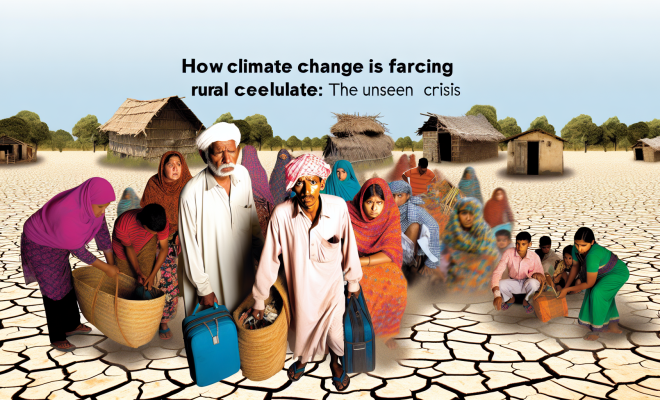
The phenomenon of climate change is no longer a distant concern; it is a present crisis that affects countless lives, particularly in rural communities. A new qualitative study published in 2026 sheds light on the devastating impacts of climate change that are driving mass migration, particularly along the Lower-GHT region. The study identifies key factors such as forest fires, declining agricultural productivity, water scarcity, and environmental degradation that are disrupting livelihoods and affecting ecosystems worldwide. As these issues escalate, they not only threaten food security but also destabilize entire communities.
This article explores the qualitative findings from the study, illustrating how climate change is reshaping the fabric of rural communities and forcing families to make the heartbreaking decision to leave their homes in search of stability. With real stories of resilience juxtaposed against the backdrop of loss, this narrative aims to capture the urgency of the situation while highlighting the broader socio-economic shifts taking place in vulnerable areas.
Understanding the Drivers of Migration
As climate change progresses, rural communities find themselves facing a perfect storm of environmental challenges. The study identifies several key push factors that are contributing to mass migration from these areas:
- Forest Fires: Increasing temperatures and prolonged drought conditions have heightened the frequency and intensity of forest fires. These blazes destroy not only large tracts of land but also the livelihoods of those who depend on the forest for their sustenance.
- Declining Agricultural Productivity: Agriculture remains the backbone of many rural economies. However, climate change has led to unpredictable weather patterns that adversely affect crop yields. Farmers report that familiar planting and harvesting schedules have become obsolete, resulting in food insecurity.
- Water Scarcity: Water is a critical resource for both agricultural and personal use. The research highlights how dwindling water supplies have become a pressing issue, forcing communities to seek alternative sources or abandon their homes altogether.
- Environmental Degradation: As ecosystems deteriorate, the rich biodiversity that once sustained rural communities diminishes, leading to a loss of traditional knowledge and cultural heritage.
The Emotional Toll of Displacement
One of the most disturbing aspects of climate-induced migration is the emotional distress it causes. Families are often uprooted from generations of history and culture, leading to a profound sense of loss. The study presents compelling narratives of individuals and families who have experienced this turmoil firsthand:
- The Garcia Family: Once prosperous farmers in the Lower-GHT region, the Garcias were forced to abandon their ancestral home due to repeated forest fires that destroyed their crops and livestock. They now live in a makeshift shelter in a nearby city, grappling with the challenges of urban life while longing for the land they once called home.
- Maria and Her Children: Maria, a single mother, describes how water scarcity has forced her to travel increasingly long distances to fetch water for her family. The toll of this daily struggle weighs heavily on her children’s education, as they often miss school to help with this daunting task.
These accounts reflect a broader trend of emotional upheaval experienced by many families facing similar predicaments. The psychological burden of uncertainty, loss, and adaptation to new environments compounds the already challenging nature of climate change.
Socio-Economic Shifts in Vulnerable Areas
The migration patterns documented in the study reveal troubling socio-economic shifts in rural communities. As people leave their homes, local economies suffer significant setbacks. The loss of farmers and skilled laborers leads to:
- Labor Shortages: Decreased agricultural production results in fewer job opportunities in rural areas, compounding unemployment rates and diminishing local economic activity.
- Increased Urban Pressure: As rural families migrate to urban centers, these cities experience overcrowding and strain on resources, leading to worsening living conditions and increased competition for limited jobs.
- Impact on Local Culture: The outflow of residents alters community dynamics, eroding social networks and weakening cultural ties that have historically bound these communities.
Food Security at Risk
One of the most pressing concerns arising from climate change impacts on rural communities is food security. The study underscores that as agricultural productivity declines and water resources dwindle, communities face a dire future where access to food becomes a constant struggle. Several factors contribute to this growing crisis:
- Crop Failures: The unpredictable climate has resulted in increased crop failures, leading to reduced availability of staple foods, which in turn drives up prices and jeopardizes nutrition.
- Dependency on External Aid: With local production diminished, rural communities increasingly rely on food aid from governmental and non-governmental organizations to survive.
- Rising Food Prices: As a direct result of decreased agricultural output, food prices soar, making it increasingly difficult for families to afford basic necessities, especially in urban areas where they have relocated.
Climate Refugees: A New Reality
The concept of ‘climate refugees’ is gaining traction as more families are forced to leave their homes due to climate-induced issues. The term refers to individuals who are compelled to migrate due to environmental factors beyond their control. This study highlights how the notion of climate refugees is becoming a pressing social issue as migration becomes not just a matter of choice, but a necessity for survival.
As climate change continues to drive people from rural areas, discussions around policy responses and support systems for climate refugees are more crucial than ever. The narratives from the study reveal that many displaced individuals face challenges in securing their rights and receiving adequate assistance.
The Role of Policy in Addressing Climate-Induced Migration
Policies addressing climate change and its impacts are often slow to evolve, leading to gaps in support for vulnerable communities. As highlighted in the study, there is an urgent need for comprehensive policy responses that take into account the unique needs of rural communities facing the brunt of climate change:
- Strengthening Agricultural Resilience: Investment in climate-smart agriculture can help communities adapt to changing conditions and boost productivity.
- Improving Water Management: Implementing sustainable water management practices can alleviate some of the pressures created by water scarcity.
- Support for Climate Refugees: Establishing legal protections and support mechanisms for displaced individuals is essential in ensuring their rights and well-being.
Conclusion
Climate change is not just an environmental issue; it is a complex socio-economic challenge that significantly impacts rural communities worldwide. The qualitative study sheds light on the multifaceted nature of this crisis, illustrating how climate change is driving mass migration, disrupting livelihoods, and reshaping the landscape of affected areas. Highlighting the emotional toll of displacement, the risks to food security, and the urgency for effective policy responses, the narrative invites a broader discussion on the pressing need for action. As climate change continues to escalate, it is imperative that we address these challenges holistically, globalizing our efforts to create resilient and sustainable communities.
By amplifying the voices of those directly affected, we can foster greater awareness and spark necessary changes that prioritize the well-being of rural communities grappling with the realities of climate change.