Gen Alpha’s Impact: Reshaping Higher Education by 2030
Introduction: The Rise of Gen Alpha
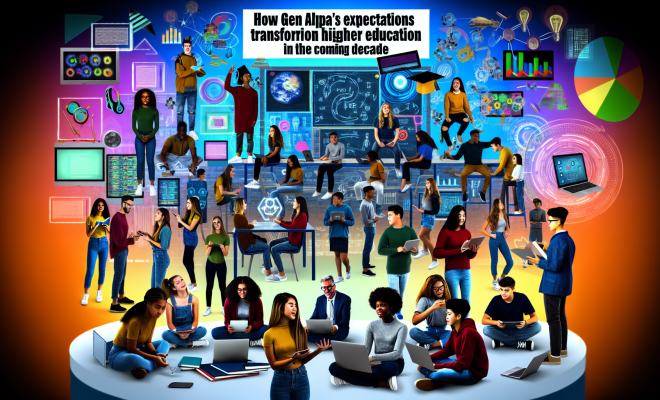
As the youngest generation, known as Generation Alpha, begins to approach college age, higher education institutions must prepare for a significant transformation. This generation, born from 2010 onward, is the first to grow up in an entirely digital world—immersed in technology from their earliest days. With their unique experiences and expectations shaped by advanced tech in K-12 education, the Gen Alpha higher education landscape will require institutions to rethink their approaches to teaching and learning.
Understanding Gen Alpha: Key Characteristics
Generation Alpha is distinct in several ways, primarily due to their exposure to technology. Here are some key characteristics:
- Digital Natives: Unlike previous generations, Gen Alpha has never known a world without the internet, smartphones, and social media. This tech-savvy nature means they expect seamless digital integration in all aspects of education.
- Always-On Connectivity: Growing up with instant access to information, Gen Alpha values constant connectivity. They are accustomed to interacting with technology in real-time and expect the same from their educational experiences.
- Hybrid Learning Preferences: Having engaged in both traditional and online learning during their formative years, Gen Alpha is likely to favor a hybrid model that combines the best of both worlds.
- AI Integration: As artificial intelligence becomes more prevalent in daily life, Gen Alpha expects AI tools to be part of their learning environment, assisting them in their studies and helping tailor educational content to their needs.
The Impact of K-12 Experiences on Higher Education Expectations
The educational experiences of Gen Alpha in K-12 settings are crucial in understanding their future expectations for higher education. Thanks to the widespread adoption of technology in schools, Gen Alpha has developed a familiarity with data analytics, online resources, and personalized learning pathways.
As they transition to higher education, students from this generation will demand:
- Cloud-Based Platforms: With substantial experience using cloud-based resources, Gen Alpha will expect their colleges and universities to provide easy access to learning materials and digital classrooms.
- Increased Personalization: They will look for tailored educational experiences, utilizing AI to help create personalized learning paths that cater to their unique skills and interests.
- Integration of Advanced Technologies: From augmented reality (AR) to immersive virtual environments, Gen Alpha will seek out institutions that leverage cutting-edge technologies to enhance learning.
The Role of Technology in Shaping Higher Education
As institutions begin to adapt to the needs of Gen Alpha, technology will play a pivotal role in reshaping higher education. Here are some of the key areas where technology is expected to have a profound impact:
1. Always-On Connectivity
For Gen Alpha, the concept of “always-on” connectivity is not just a preference; it is an expectation. Colleges and universities will need to ensure that students have access to high-speed internet and digital resources 24/7. This connectivity will facilitate collaborative learning, allowing students to work together on projects, regardless of their physical location.
2. Hybrid Learning Environments
The success of hybrid learning models during the COVID-19 pandemic has demonstrated the potential benefits of combining in-person and online learning. Gen Alpha will likely expect institutions to offer flexible course formats that accommodate their diverse needs and learning styles.
3. AI Literacy Support
As AI becomes more integrated into educational frameworks, Gen Alpha will require institutions to provide robust support for AI literacy. This includes not only understanding how to use AI tools effectively but also fostering critical thinking about AI’s implications and applications in various fields.
Preparing for the Future: What Higher Education Must Do
To meet the expectations of Generation Alpha, institutions must take decisive steps to modernize their approaches. Here are several strategies that can help:
- Invest in Infrastructure: Upgrading technological infrastructure to support cloud-based classrooms and high-speed connectivity is essential.
- Promote Interdisciplinary Learning: Creating programs that encourage collaboration across disciplines can spark innovation and engage students more fully.
- Leverage Data Analytics: Institutions should harness data analytics to provide insights into student preferences and performance, tailoring educational experiences accordingly.
- Facilitate Continuous Feedback: Establishing systems for real-time feedback will help students stay engaged and informed about their progress.
The Emotional Debate: Can Traditional Universities Compete?
The rise of Gen Alpha has sparked an emotional debate within the higher education community regarding whether traditional universities can compete with emerging educational models. With viral TikToks and Twitter threads highlighting Gen Alpha’s tech supremacy, many are concerned about the future of established institutions.
Critics argue that traditional universities may struggle to adapt to the fast-paced changes demanded by this new generation. The challenge lies in balancing the need for innovation with the preservation of academic rigor and integrity.
Challenges Facing Traditional Institutions
Some of the key challenges traditional universities will face include:
- Resistance to Change: Faculty and administration may be hesitant to embrace new technologies and teaching methods, fearing the loss of traditional educational values.
- Financial Constraints: Many institutions may lack the financial resources necessary to invest in modernizing their infrastructures and technologies.
- Competition from Alternative Models: Online learning platforms and new educational startups may attract students away from traditional universities.
Embracing Change: The Path Forward for Higher Education
Despite the challenges, there is significant potential for traditional universities to evolve and thrive in the face of Gen Alpha’s expectations. Here are some actionable steps institutions can take to embrace change:
- Foster a Culture of Innovation: Encouraging faculty and staff to experiment with new teaching methodologies and technologies will help create an adaptive learning environment.
- Enhance Collaboration: Partnering with tech companies and other educational organizations can provide valuable resources and insights for improving educational offerings.
- Focus on Lifelong Learning: Offering flexible programs that cater to the ongoing educational needs of students can position institutions as leaders in lifelong learning.
The Future of Gen Alpha Higher Education
As Generation Alpha prepares to enter higher education, their unique experiences and expectations will undoubtedly reshape the landscape. By embracing technology, fostering innovation, and prioritizing student needs, institutions can create an educational experience that not only meets but exceeds the expectations of this new generation.
Ultimately, the future of Gen Alpha higher education lies in a collaborative effort between educators, administrators, and students to create an adaptive, inclusive, and technology-driven environment that prepares them for success in an ever-changing world.
Conclusion: A Call to Action for Higher Education
As we look to the future, it is imperative that higher education institutions actively engage with the needs of Gen Alpha. The conversation about how to integrate technology, personalize learning experiences, and foster continuous feedback is not just a matter of keeping pace with change; it is about fulfilling the promise of education to empower the next generation.
With commitment and foresight, traditional universities can not only compete but thrive in the era of Gen Alpha, turning challenges into opportunities for growth and innovation.