Boston’s Rivers Face Toxic Threat: Pollution & Climate Change 2026
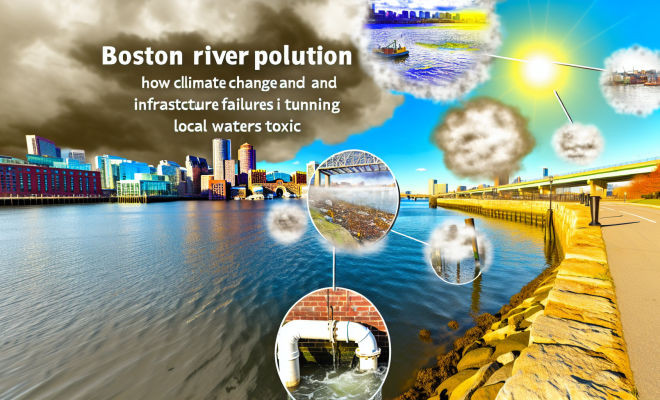
The state of Boston’s rivers is sinking to alarming levels as pollution and climate change combine forces to wreak havoc on local waterways. Recent reports from watershed groups monitoring the Charles, Mystic, and Neponset Rivers reveal a worrisome trend: water quality grades are slipping significantly, with many areas now receiving B’s and C’s for their cleanliness. This downturn is particularly concerning for residents who cherish these natural resources for recreation, urging an urgent response to what is becoming a growing public health crisis.
Annual Report Cards Highlight Declining Water Quality
On May 6, 2026, watershed organizations released their annual water quality assessments, shedding light on troubling patterns driving Boston river pollution. The Charles River, which winds through Boston and Cambridge, has been particularly hard-hit, with reports indicating that over the past three years, more than 16.6 million gallons of raw sewage have been discharged into its waters due to infrastructure failures and combined sewer overflows.
While the Neponset River, known for its recreational opportunities like hiking, swimming, and boating, managed to maintain mostly A and B grades, it too faced setbacks. The river’s water quality ratings specifically dropped due to incidents related to combined sewage overflows, with sections like Alewife Brook receiving dismal D grades. Meanwhile, the Mystic River, another vital waterway in the area, also showed declines, underscoring the pervasive nature of Boston river pollution.
The Impact of Climate Change on Water Quality
One of the most significant factors contributing to the degrading water quality in these rivers is climate change. Increased rainfall has been noted as a primary cause of the recent deterioration, leading to overwhelmed sewer systems that are unable to manage the excess water. As storms become more frequent and intense, the risk of sewage overflows grows, exacerbating the problem of Boston river pollution.
Severe droughts in the years 2022, 2024, and 2025 further complicated the situation. Low water levels not only hindered cleanup efforts but also concentrated contaminants in the rivers, making them more toxic. This cycle of drought followed by heavy rainfall creates a volatile environment for water quality, drawing concern among environmentalists and public health advocates alike.
Infrastructure Challenges: A Time Bomb for Boston’s Rivers
Compounding the problems posed by climate change is Boston’s aging infrastructure. Much of the city’s sewer system dates back over a century and was designed to handle a fraction of the current population’s sewage output. The combination of stormwater and sewage in single pipes leads to conditions where heavy rainfall triggers overflows, sending untreated waste directly into the rivers.
- 16.6 million gallons: The staggering amount of raw sewage discharged into the Charles River.
- Infrastructure age: Many sewer systems are over 100 years old.
- Combined sewer overflows: A significant cause of pollution during rainfall events.
Public Awareness and Health Implications
As the quality of these waterways declines, there is an urgent need for public awareness. Many Bostonians rely on the rivers for recreation, from swimming to kayaking, blissfully unaware of the lurking dangers. Social media discussions about ‘swimmable rivers turning toxic’ are gaining traction, highlighting the emotional response to this environmental crisis. People are expressing their fears of contamination and their frustration over inaction, especially as health alerts become more frequent.
Public health experts are raising alarms about the implications of Boston river pollution for local communities. Exposure to contaminated water can lead to a range of health issues, including gastrointestinal illnesses and other serious conditions. As such, outdoor enthusiasts and families enjoying a day on the river may be putting themselves at risk, which should not be the case in a city with such rich natural resources.
Community Action and Rehabilitation Efforts
In response to the declining grades and public concern, various community organizations are mobilizing to tackle Boston river pollution. Initiatives aimed at restoring river health are growing in number. These include:
- Cleanup Drives: Local volunteers and organizations are organizing regular cleanups to remove trash and debris.
- Advocacy for Infrastructure Investment: Community leaders are calling for public funding to upgrade outdated sewer systems.
- Public Education Campaigns: Efforts are underway to educate residents about pollution sources and encourage sustainable practices.
In particular, advocacy for government investment in modern wastewater treatment and stormwater management systems is crucial. Experts argue that without substantial upgrades, the rivers will continue to suffer under the pressure of both climate impacts and human activity.
What Lies Ahead for Boston’s Rivers
As the threats of climate change escalate, the future of Boston’s rivers hangs in the balance. The combined impact of pollution and environmental stressors paints a grim picture, but it also highlights an opportunity for change. With increased awareness and public pressure, there is potential for significant improvements, as long as action is taken swiftly.
Policy Change: A Necessary Step
To address Boston river pollution effectively, comprehensive policy measures must be implemented. Policymakers need to focus on:
- Upgrading Infrastructure: Investing in modern sewer systems capable of handling current demands and future climate scenarios.
- Implementing Green Infrastructure: Utilizing solutions like rain gardens and permeable pavements to manage stormwater runoff sustainably.
- Enforcing Regulations: Strengthening legal frameworks surrounding water quality and pollution controls.
By taking proactive measures, Boston can not only restore the health of its rivers but also set a benchmark for other cities facing similar challenges. The journey towards cleaner waters is not just an environmental issue; it is a public health imperative.
Conclusion: The Call to Action
The report cards for Boston’s rivers serve as a disturbing reminder of the fragility of our natural resources. As the grades slip, so do the hopes of residents who yearn for clean, swimmable waters. It is time for Bostonians to unite and advocate for their rivers, demanding the necessary changes that will ensure the health of these vital ecosystems.
The alarming trends in Boston river pollution call for immediate community involvement, policy reform, and infrastructural advancements. Together, these efforts can help revive the Charles, Mystic, and Neponset Rivers, turning them back into the pristine environments that residents can enjoy without fear of contamination. It is a critical moment for Boston, and the fight for clean rivers must become a collective priority.