Ford’s BlueCruise Under Fire as Tesla Faces Delivery Challenges Amid Market Pressures
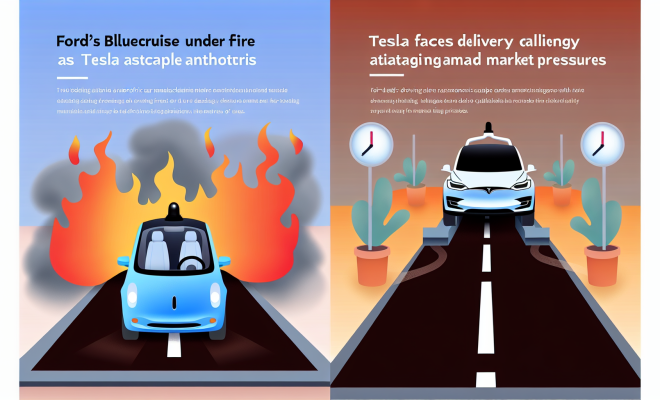
The automotive industry is currently navigating a tumultuous landscape marked by heightened scrutiny over autonomous driving technology and fluctuating market conditions. On March 12, 2026, Ford’s BlueCruise autonomous driving system was thrust into the spotlight during a crash hearing, raising critical questions about the safety and reliability of self-driving technologies. Simultaneously, Tesla, a frontrunner in the electric vehicle (EV) market, reported a decline in its delivery estimates, reflecting broader economic challenges that are impacting major automakers.
Ford’s BlueCruise Faces Critical Examination
The crash hearing concerning Ford’s BlueCruise system has drawn attention to the potential implications of autonomous driving technologies on road safety. BlueCruise, which allows for hands-free driving in designated areas, has been marketed as a revolutionary advancement in vehicle automation. However, the recent hearing has sparked discussions about whether such systems can operate safely in real-world conditions.
During the hearing, several incidents involving BlueCruise were analyzed, with experts examining the technology’s response to sudden road changes and its ability to react to unforeseen obstacles. The outcome of this hearing could dictate not only the future of BlueCruise but also influence public perception of autonomous vehicles as a whole.
The Importance of Safety Standards
As the automotive industry increasingly embraces automation, establishing stringent safety standards is paramount. Advocates for autonomous technology argue that such systems can significantly reduce accidents caused by human error. However, critics emphasize that the technology must be rigorously tested and proven safe before widespread adoption.
In light of the hearing, Ford has reaffirmed its commitment to safety and transparency. The company is expected to release more detailed information regarding its testing protocols and safety measures in the coming weeks. This move could help restore consumer confidence and demonstrate accountability in the face of scrutiny.
Tesla’s Delivery Estimates Decline
While Ford grapples with the challenges of autonomous technology, Tesla is facing its own set of hurdles. The company’s delivery estimates have reportedly declined, a situation attributed to various market pressures, including supply chain vulnerabilities and increased competition in the EV sector.
In recent months, Tesla has encountered difficulties in maintaining production levels due to ongoing disruptions in the supply chain. These disruptions have been exacerbated by geopolitical tensions, particularly in the Middle East, which have threatened critical logistics networks. The ripple effects of these tensions are being felt across the automotive industry, as manufacturers struggle to secure essential components.
Market Pressures and Their Impact
- Supply Chain Vulnerabilities: The automotive supply chain is intricately linked to global events. Recent conflicts have highlighted how fragile this network can be, affecting everything from semiconductor availability to raw material supply.
- Increased Competition: As more automakers enter the EV market, Tesla faces intensified competition, which may pressure profit margins and impact delivery targets.
- Consumer Sentiment: Economic uncertainties, including inflation and rising interest rates, can lead to reduced consumer spending on high-ticket items like vehicles.
These factors contribute to a challenging environment for Tesla, which has previously enjoyed robust growth and market dominance. The company is now tasked with recalibrating its strategies to adapt to the evolving landscape.
The Broader Implications for the Automotive Industry
The developments surrounding Ford’s BlueCruise and Tesla’s delivery estimates underscore the ongoing challenges facing the automotive sector. As automakers invest heavily in technology and innovation, they must also navigate the complexities of safety, consumer trust, and global market dynamics.
Moreover, the interplay between technological advancements and economic conditions presents a unique challenge. Companies must balance the push for cutting-edge features, such as autonomous driving capabilities, with the need to ensure that these innovations are safe and reliable.
Navigating Future Challenges
As the industry moves forward, stakeholders will need to prioritize collaboration and transparency. Regulatory bodies, automakers, and technology developers must work together to establish clear guidelines for autonomous vehicle technologies. Additionally, manufacturers must remain adaptable to market conditions, potentially rethinking production strategies to mitigate risks associated with supply chain disruptions.
Overall, the scrutiny of Ford’s BlueCruise and Tesla’s declining delivery estimates serves as a reminder of the complexities inherent in the automotive industry. As companies strive for innovation, the importance of safety, reliability, and consumer confidence cannot be overstated. The road ahead may be fraught with challenges, but it also holds the potential for significant advancements in transportation technology.