The Tech Edvocate

Top Menu

  • Advertisement
  • Apps
  • Home Page
  • Home Page Five (No Sidebar)
  • Home Page Four
  • Home Page Three
  • Home Page Two
  • Home Tech2
  • Icons [No Sidebar]
  • Left Sidbear Page
  • Lynch Educational Consulting
  • My Account
  • My Speaking Page
  • Newsletter Sign Up Confirmation
  • Newsletter Unsubscription
  • Our Brands
  • Page Example
  • Privacy Policy
  • Protected Content
  • Register
  • Request a Product Review
  • Shop
  • Shortcodes Examples
  • Signup
  • Start Here
    • Governance
    • Careers
    • Contact Us
  • Terms and Conditions
  • The Edvocate
  • The Tech Edvocate Product Guide
  • Topics
  • Write For Us
  • Advertise

Main Menu

  • Start Here
    • Our Brands
    • Governance
      • Lynch Educational Consulting, LLC.
      • Dr. Lynch’s Personal Website
      • Careers
    • Write For Us
    • The Tech Edvocate Product Guide
    • Contact Us
    • Books
    • Edupedia
    • Post a Job
    • The Edvocate Podcast
    • Terms and Conditions
    • Privacy Policy
  • Topics
    • Assistive Technology
    • Child Development Tech
    • Early Childhood & K-12 EdTech
    • EdTech Futures
    • EdTech News
    • EdTech Policy & Reform
    • EdTech Startups & Businesses
    • Higher Education EdTech
    • Online Learning & eLearning
    • Parent & Family Tech
    • Personalized Learning
    • Product Reviews
  • Advertise
  • Tech Edvocate Awards
  • The Edvocate
  • Pedagogue
  • School Ratings

logo

The Tech Edvocate

  • Start Here
    • Our Brands
    • Governance
      • Lynch Educational Consulting, LLC.
      • Dr. Lynch’s Personal Website
        • My Speaking Page
      • Careers
    • Write For Us
    • The Tech Edvocate Product Guide
    • Contact Us
    • Books
    • Edupedia
    • Post a Job
    • The Edvocate Podcast
    • Terms and Conditions
    • Privacy Policy
  • Topics
    • Assistive Technology
    • Child Development Tech
    • Early Childhood & K-12 EdTech
    • EdTech Futures
    • EdTech News
    • EdTech Policy & Reform
    • EdTech Startups & Businesses
    • Higher Education EdTech
    • Online Learning & eLearning
    • Parent & Family Tech
    • Personalized Learning
    • Product Reviews
  • Advertise
  • Tech Edvocate Awards
  • The Edvocate
  • Pedagogue
  • School Ratings
  • Ramp’s Staggering $60 Billion Valuation: 8 Reasons Why Investors Are Piling In

  • Uncovering the Cost: Why This AI Startup’s Collapse Is a Troubling Sign for Tech

  • The Silent Crisis: Why Your Next Console Will Cost a Fortune

  • Advisers urged to steer clear of ‘hyperscale’ AI models

  • The Quiet Crisis: Is AI in Education Creating an ‘Illusion of Learning’?

  • 84% of Ransomware Attacks Use AI: This Is How Your Own Systems Are Turning Against You

  • The Staggering Truth About Healthcare Cyberattacks: 76.6 Million Records Exposed in 2026

  • This Crucial Deadline For Rogue AI Is Much Closer Than You Think

  • This RNA Breakthrough Could Rewrite Alzheimer’s Treatment

  • This One Thing Is Silently Crushing US Consumer Inflation — And Your Wallet

Tech Advice
Home›Tech Advice›Fake or For Real? How to Know if a Text From Your Bank is Legit

Fake or For Real? How to Know if a Text From Your Bank is Legit

By Matthew Lynch
July 11, 2023
0
Spread the love

In today’s digital age, scams and fraudulent activities have become increasingly prevalent. One common target is your financial account; scammers often use various means to access and exploit it. Among these methods, text messages disguise as communications from your bank, making it difficult to discern between real and fake texts. In this article, we will discuss some tips on how to identify the legitimacy of a text message from your bank.

1. Check the sender’s phone number

Legitimate text messages from banks usually come from a recognizable short code or phone number. Scammers may use similar-looking codes or numbers to deceive you. Be cautious of suspicious-looking numbers, especially those starting with a regular local area code, rather than a five- or six-digit short code.

2. Examine the language and tone

Official bank communications maintain a professional tone and are free of spelling or grammatical errors. Scam texts often contain errors and may use threatening or urgent language to encourage immediate action – such as clicking on a link or replying with personal information.

3. Avoid clicking on any links

Phishing scams frequently employ links that direct users to sham websites meant to harvest their personal and financial information. Refrain from clicking on in-text links; instead, visit your bank’s official website via a secure method like typing the URL into your browser directly.

4. Look for personalized information

Legitimate bank texts will often address you by your full name, while scam texts may use generic salutations like “Dear Customer” or leave out personal details altogether.

5. Consider the context

Think about whether or not the text message aligns with any recent activity on your account. If you haven’t made any transactions that would prompt communication from your bank, be wary of unsolicited text messages.

6. Contact your bank directly

If in doubt, refrain from responding to the text message and contact your bank directly through their established customer service channels. This will allow you to verify the text’s legitimacy, as well as inform your bank if a scam is taking place.

7. Monitor your accounts

Regularly review your bank account transactions to detect unauthorized activities. In case you notice suspicious activities, notify your bank promptly to address the issue.

In conclusion, always exercise caution when receiving text messages from your bank. Familiarize yourself with their communication methods and guidelines, and apply the tips mentioned above when distinguishing between fake and genuine texts. Remember that being vigilant goes a long way in safeguarding your financial security.


Previous Article

Do Social Security Recipients Need to File ...

Next Article

Final Days to Use Your FSA Money: ...

Matthew Lynch

Related articles More from author

  • Tech Advice

    Ring Video Doorbell 4 Review: Minor Upgrades to an Already Decent Device

    July 10, 2023
    By Matthew Lynch
  • Tech Advice

    SunPower Review: Best Performing Solar Panels Available

    July 8, 2023
    By Matthew Lynch
  • Tech Advice

    Save Hundreds on Heating Costs This Winter with a Space Heater

    July 10, 2023
    By Matthew Lynch
  • Tech Advice

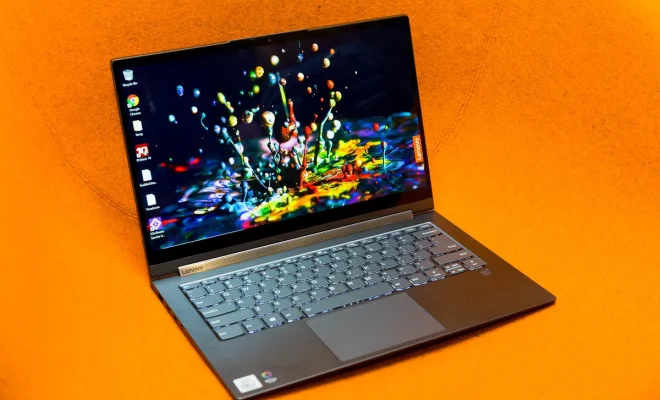
    Lenovo Yoga C940 (14-inch) review: A little extra screen and a lot to like

    July 12, 2023
    By Matthew Lynch
  • Tech Advice

    Best Ways to Use Your Home Equity for Remodeling Projects

    July 11, 2023
    By Matthew Lynch
  • Tech Advice

    How to Silence Your Microwave Once and for All: A Comprehensive Guide

    July 9, 2023
    By Matthew Lynch

Search

Login & Registration

  • Log in
  • Entries feed
  • Comments feed
  • WordPress.org

Newsletter

Signup for The Tech Edvocate Newsletter and have the latest in EdTech news and opinion delivered to your email address!

About Us

Since technology is not going anywhere and does more good than harm, adapting is the best course of action. That is where The Tech Edvocate comes in. We plan to cover the PreK-12 and Higher Education EdTech sectors and provide our readers with the latest news and opinion on the subject. From time to time, I will invite other voices to weigh in on important issues in EdTech. We hope to provide a well-rounded, multi-faceted look at the past, present, the future of EdTech in the US and internationally.

We started this journey back in June 2016, and we plan to continue it for many more years to come. I hope that you will join us in this discussion of the past, present and future of EdTech and lend your own insight to the issues that are discussed.

Newsletter

Signup for The Tech Edvocate Newsletter and have the latest in EdTech news and opinion delivered to your email address!

Contact Us

The Tech Edvocate
910 Goddin Street
Richmond, VA 23231
(601) 630-5238
[email protected]

Copyright © 2026 Matthew Lynch. All rights reserved.