The Tech Edvocate

Top Menu

  • Advertisement
  • Apps
  • Home Page
  • Home Page Five (No Sidebar)
  • Home Page Four
  • Home Page Three
  • Home Page Two
  • Home Tech2
  • Icons [No Sidebar]
  • Left Sidbear Page
  • Lynch Educational Consulting
  • My Account
  • My Speaking Page
  • Newsletter Sign Up Confirmation
  • Newsletter Unsubscription
  • Our Brands
  • Page Example
  • Privacy Policy
  • Protected Content
  • Register
  • Request a Product Review
  • Shop
  • Shortcodes Examples
  • Signup
  • Start Here
    • Governance
    • Careers
    • Contact Us
  • Terms and Conditions
  • The Edvocate
  • The Tech Edvocate Product Guide
  • Topics
  • Write For Us
  • Advertise

Main Menu

  • Start Here
    • Our Brands
    • Governance
      • Lynch Educational Consulting, LLC.
      • Dr. Lynch’s Personal Website
      • Careers
    • Write For Us
    • The Tech Edvocate Product Guide
    • Contact Us
    • Books
    • Edupedia
    • Post a Job
    • The Edvocate Podcast
    • Terms and Conditions
    • Privacy Policy
  • Topics
    • Assistive Technology
    • Child Development Tech
    • Early Childhood & K-12 EdTech
    • EdTech Futures
    • EdTech News
    • EdTech Policy & Reform
    • EdTech Startups & Businesses
    • Higher Education EdTech
    • Online Learning & eLearning
    • Parent & Family Tech
    • Personalized Learning
    • Product Reviews
  • Advertise
  • Tech Edvocate Awards
  • The Edvocate
  • Pedagogue
  • School Ratings

logo

The Tech Edvocate

  • Start Here
    • Our Brands
    • Governance
      • Lynch Educational Consulting, LLC.
      • Dr. Lynch’s Personal Website
        • My Speaking Page
      • Careers
    • Write For Us
    • The Tech Edvocate Product Guide
    • Contact Us
    • Books
    • Edupedia
    • Post a Job
    • The Edvocate Podcast
    • Terms and Conditions
    • Privacy Policy
  • Topics
    • Assistive Technology
    • Child Development Tech
    • Early Childhood & K-12 EdTech
    • EdTech Futures
    • EdTech News
    • EdTech Policy & Reform
    • EdTech Startups & Businesses
    • Higher Education EdTech
    • Online Learning & eLearning
    • Parent & Family Tech
    • Personalized Learning
    • Product Reviews
  • Advertise
  • Tech Edvocate Awards
  • The Edvocate
  • Pedagogue
  • School Ratings
  • O seară în ritmul tău: atmosfera divertismentului de cazinou pe internet

  • Outrageous: AppLovin Hit With Lawsuit Over AI Claims — What Investors Need to Know

  • 9 Critical Ways AI Investment Fraud Is Quietly Draining Your Bank Account

  • Is the AI Bubble Bursting? OpenAI’s Funding Woes Revealed

  • Why Millions Are Skipping College for These 7 Online Courses Right Now

  • The Astonishing Truth About PS5 Pro vs Xbox Ally X Financing

  • The Urgent Truth About 2026 Privacy Laws: Why Your Business Could Face Catastrophic Fines

  • Shocking: Esports Pros Reveal the Critical Steps to Protect Your Earnings

  • The Staggering Truth About These New Weight Loss Drugs — And Why You Need to Know

  • The Quiet Crisis: Why Your Auto Loan Interest Rates Are Still Skyrocketing

Online Learning & eLearning
Home›Online Learning & eLearning›Developing a Blended Learning Strategy That Works

Developing a Blended Learning Strategy That Works

By Matthew Lynch
August 4, 2022
0
Spread the love

Developing a culture of continuous improvement in your business enhances employee knowledge and academic performance. This leads to success for your organization and provides employees with opportunities to improve their skills; they will feel more engaged and motivated at work. It is essential to remember that turnover increases without access to these opportunities because it becomes easier for employees to feel that their career is in a holding pattern. This is where blended learning can assist.

Blended learning combines classroom and virtual training techniques to provide your employees with the best training experiences. Employees can access learning resources physically and virtually. With blended learning, employees can individualize a learning module to suit their needs. This lets them learn at their own pace with online classes that can be repeated. This ensures a pleasant training experience that puts the learner in the driver’s seat. A variety of teaching and learning techniques are adopted in blended learning so that employees can grasp ideas with ease. This increases the effectiveness of your company’s training program. Compared with other techniques, blended learning requires fewer teachers, which reduces training costs. Learning materials are easily accessible so that more employees can be trained at once.

Here are six tips for developing an effective blended learning app for your employees.

1. Know your employees’ preferences

It’s essential to understand the learning preferences of your employees before designing a blended learning program. Conduct surveys to receive their input and identify their training needs. Blend the training program to align with their expectations and needs. If you do this, then employees are more likely to be happy with your training.

2. Identify learning objectives

Defining appropriate learning objectives and outcomes according to employee needs is an essential aspect of blended learning. Learning objectives and outcomes guide a training session and motivate your employees. Learning goals should mesh with your company’s objectives. Ask yourself these questions:

  • What is the purpose of the course?
  • What do you do at the end of the course?
  • How will you measure learner outcomes?
  • What info should be included?
  • How will it benefit your employees?
  • What results are you expecting?
  • How long should the goals take to achieve?

3. Choose the right balance

After defining goals, select the topics and teaching method that will help you accomplish them. Create a content plan that lists the training topics and how the topics will be taught. Go through each one and ascertain the appropriate teaching method—conventional or virtual class. Analyze the content and type of audience before choosing the learning method. For instance, baby boomers may prefer conventional classroom learning, while millennials may prefer a virtual environment. If necessary, develop both teaching methods. The basics can be taught in the classroom, and additional articles, webinars, and videos can be provided digitally.

4. Use collaborative activities

Collaboration is one of the essential facets of blended learning. It allows learners to interact with their peers and exchange ideas. This enhances the efficiency of the training program and makes learning more fun for employees. Online forums, discussion boards, video or audio meetings, chat, and webinars can all aid collaboration in a virtual classroom. Hands-on activities, debate, and scenario-based activities can be conducted in conventional classrooms to improve collaboration. This makes the blended learning class interesting and engaging.

5. Assess the effectiveness of your training

A proper assessment plan should help you ascertain whether the training program was effective and whether the learners understood the class. Developing multiple assessment methods, including online quizzes, branching scenarios, and group discussions make the assessment process simple. Data analytics, which tracks employee academic performance, can also be implemented. Provide feedback regularly, as it can motivate your employees to excel.

6. Request student feedback

Ask learners to provide their feedback after the class has been completed. This will help you adjust the class according to employee preferences. Use surveys to identify what employees like and dislike about the class, what they think can be improved, and how to improve it. Incorporating the learner’s perspective can have a big impact on the efficiency of blended learning techniques.

7. Choose the right tech

It goes without saying that to facilitate blended learning, you need to use tech that supports the delivery of blended learning. For instance, we just launched a social media network for educators named Pedagogue. It supports blended learning by allowing teachers to create virtual classrooms.

Concluding thoughts

Now, you know how to develop a blended learning strategy that works. Do you have any additional tips, techniques, or strategies that you would like to share with our readers? If so, leave them in the comment section below.


Previous Article

Great Educational Leaders: What Are They Made ...

Next Article

The Truth About American Schools

Matthew Lynch

Related articles More from author

  • Online Learning & eLearning

    What Is A Virtual Classroom And Why Does It Matter?

    March 9, 2023
    By Matthew Lynch
  • Online Learning & eLearning

    New features in demand for collaboration technology

    March 28, 2023
    By Matthew Lynch
  • Online Learning & eLearning

    Ensuring Student Equity in Online Learning

    March 14, 2023
    By Matthew Lynch
  • Online Learning & eLearning

    Top 6 Ways to Fix Facebook Messenger Won’t Let Me Log In on Android and iPhone

    April 2, 2023
    By Matthew Lynch
  • Online Learning & eLearning

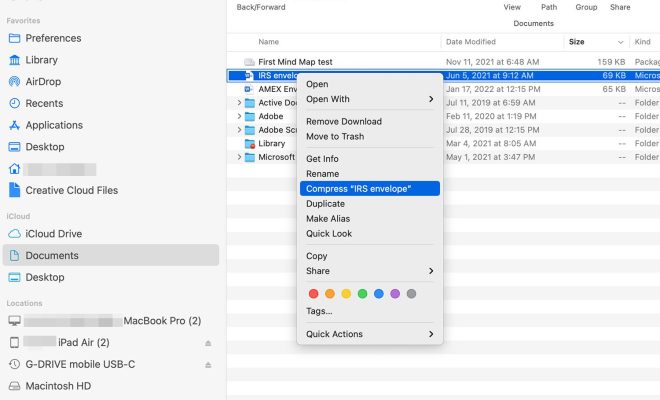
    How to Zip and Unzip Files and Folders on Mac

    March 27, 2023
    By Matthew Lynch
  • Online Learning & eLearning

    How To Train Managers To Achieve Employee Engagement In Corporate Online Learning

    March 24, 2023
    By Matthew Lynch

Search

Login & Registration

  • Log in
  • Entries feed
  • Comments feed
  • WordPress.org

Newsletter

Signup for The Tech Edvocate Newsletter and have the latest in EdTech news and opinion delivered to your email address!

About Us

Since technology is not going anywhere and does more good than harm, adapting is the best course of action. That is where The Tech Edvocate comes in. We plan to cover the PreK-12 and Higher Education EdTech sectors and provide our readers with the latest news and opinion on the subject. From time to time, I will invite other voices to weigh in on important issues in EdTech. We hope to provide a well-rounded, multi-faceted look at the past, present, the future of EdTech in the US and internationally.

We started this journey back in June 2016, and we plan to continue it for many more years to come. I hope that you will join us in this discussion of the past, present and future of EdTech and lend your own insight to the issues that are discussed.

Newsletter

Signup for The Tech Edvocate Newsletter and have the latest in EdTech news and opinion delivered to your email address!

Contact Us

The Tech Edvocate
910 Goddin Street
Richmond, VA 23231
(601) 630-5238
[email protected]

Copyright © 2026 Matthew Lynch. All rights reserved.