Data Centers Challenge States’ Clean Energy Aspirations
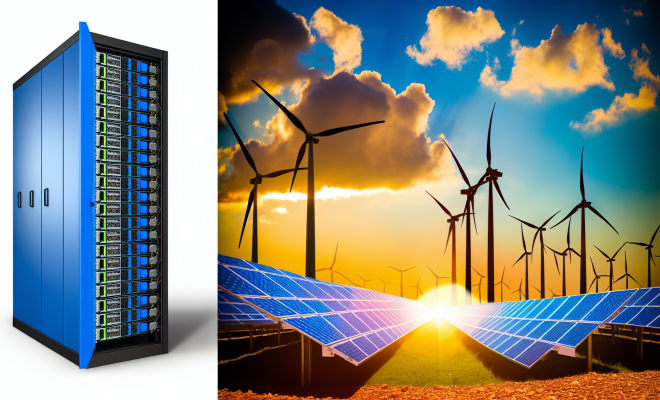
The expansion of data centers across the United States is posing significant challenges to state clean energy objectives. As states strive to meet ambitious renewable energy targets, the soaring electricity demands from these facilities are raising concerns about sustainability and the reliance on fossil fuels.
The Growing Demand for Electricity
In Nevada, the state’s largest utility company has issued a stark warning regarding its ability to meet the 2030 clean energy goal of sourcing 50% of its power from renewable resources. The utility estimates that the electricity demand from proposed data centers could be three times greater than what is required to power Las Vegas itself. This dramatic increase in energy demand is prompting discussions about how the state can continue its renewable energy transition while simultaneously accommodating the needs of the burgeoning data center industry.
Data Centers: Power Hogs of the Modern Age
Data centers are facilities that house computer systems and associated components, such as telecommunications and storage systems. These centers are critical to the digital economy, supporting everything from cloud computing services to online gaming. However, their energy consumption is staggering. The global data center industry is already responsible for about 1% of the world’s total electricity use, and this figure is expected to rise as the demand for digital services continues to grow.
Implications for Renewable Energy Targets
The implications of this energy consumption extend beyond Nevada. Many states across the U.S. are facing similar dilemmas as they attempt to balance the rapid growth of data centers with their clean energy commitments. For instance, states like Virginia and Texas have been actively promoting data center construction due to the economic benefits these facilities bring, including job creation and increased tax revenue. However, this comes at a cost: meeting renewable energy goals becomes increasingly challenging as power demand climbs.
Fossil Fuels vs. Renewables
Utility companies are expressing concerns that the escalating demand from data centers may lead to a reliance on fossil fuels to meet electricity needs. Many analysts assert that without a significant shift in energy infrastructure and policy, states may find themselves unable to adhere to their renewable energy mandates. This situation raises critical questions about the sustainability of both the data center industry and the broader energy landscape.
Policy Solutions and Future Considerations
Addressing the conflict between data center growth and clean energy goals will require innovative policy solutions. Here are several approaches that states might consider:
- Incentivizing Energy Efficiency: States could offer incentives for data centers to implement energy-efficient technologies and practices, thereby reducing their overall electricity demand.
- Investing in Renewable Energy Infrastructure: Expanding renewable energy sources, such as solar and wind, will be essential to meet increasing demands without reverting to fossil fuels.
- Implementing Demand Response Programs: These programs encourage data centers to shift their energy use to times when renewable energy generation is high, reducing strain on the grid during peak demand.
- Encouraging Local Energy Solutions: States could promote decentralized energy systems, such as community solar projects, to empower local energy production and consumption.
Case Studies: States in Transition
Several states are currently navigating this complex landscape:
Nevada
Nevada is at the forefront of this issue, with its utility company warning that the state may need to tap into fossil fuels to meet the electricity demands from data centers. As these facilities continue to be proposed, stakeholders are grappling with the implications for the state’s renewable energy goals.
Virginia
Virginia has seen a rapid influx of data centers, driven by its favorable tax policies and access to fiber optic networks. However, the state must now consider how to balance this growth with its clean energy commitments, especially as the demand for electricity surges.
Texas
Texas has long been a hub for data centers and has made significant investments in renewable energy. However, the state’s energy grid is under pressure, raising questions about the sustainability of its current trajectory and the need for further infrastructure improvements.
Conclusion
The tension between the growth of data centers and clean energy goals underscores a critical challenge facing many states today. As the digital economy expands, so too does the demand for electricity. States must navigate this landscape carefully, finding ways to support economic growth while ensuring that they remain committed to their renewable energy targets. Only through innovative policies and collaboration across sectors can a sustainable balance be achieved, paving the way for a cleaner, greener future.