White House Correspondents’ Dinner 2026: Security Breach Chaos
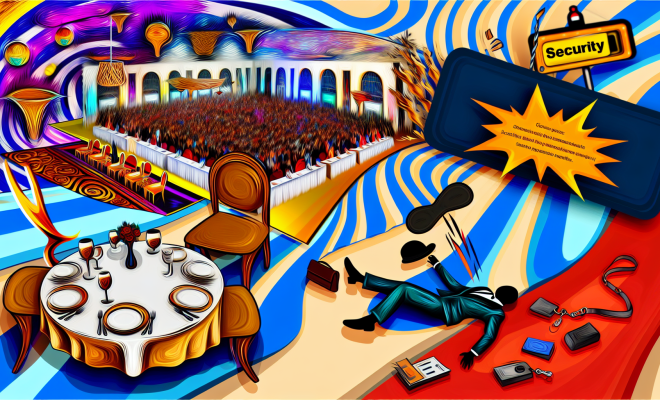
On April 25, 2026, a high-profile event meant to celebrate journalism and the First Amendment turned into a scene of chaos and fear as security concerns led to the evacuation of key political figures, including then-President Donald Trump. The White House Correspondents’ Dinner, an annual gathering that attracts media elites and political leaders, was disrupted by a shocking incident involving a shooting suspect who was seen running toward the venue in newly released security footage.
The Incident Unfolds
The alarming moment was captured in a video shared on social media by President Trump himself, showcasing the suspect’s rapid approach to the venue where the dinner was being held. This footage has since gone viral, drawing widespread attention and raising serious questions regarding the security protocols in place at such a significant event.
Security Breach Details
According to interim Chief Jeffery Carroll of the Washington D.C. Metropolitan Police, the suspect managed to bypass security measures that were intended to restrict access to the dinner. Reports indicate that the individual was a hotel guest who took advantage of a moment when officers were disassembling metal detectors, allowing him to slip past the outermost layer of security.
This breach of security highlights the vulnerabilities that can arise during large public events, especially those attended by high-profile individuals. The fact that the suspect was able to gain access to such a tightly controlled environment without triggering alarm bells has prompted calls for a thorough review of security protocols at similar events moving forward.
The Evacuation: A Moment of Panic
As the suspect approached the venue, the immediate response was one of urgency. Security personnel swiftly evacuated President Trump and other top officials, ensuring their safety amidst the unfolding situation. Fortunately, there were no reported injuries to the president or other attendees, but the incident underscored the potential dangers associated with high-stakes gatherings.
The Aftermath of the Incident
The dinner, which is known for its light-hearted roasts and camaraderie between journalists and political figures, was ultimately scrapped. The decision to cancel the event was made in the interest of safety, as the atmosphere had shifted from celebration to one of concern and uncertainty.
This incident not only affected those in attendance but also sent shockwaves through the media landscape, prompting discussions among journalists, politicians, and security experts about the effectiveness of existing security measures and the need for potential reforms.
Broader Implications for Event Security
The events of April 25 raised significant questions about the adequacy of security protocols at high-profile events. As gatherings of this nature often attract a mix of ticket holders, invitees, and verified affiliates, the complexity of ensuring safety becomes increasingly challenging. The incident has sparked a debate on how to improve security without compromising the accessibility and enjoyment of such events.
Current Security Measures
- Metal Detectors: Typically employed to screen attendees upon entry, metal detectors are a staple of security at major events. However, as seen in this case, their effectiveness may be compromised if not properly monitored.
- Security Personnel: Trained officers are usually present to maintain order and respond to emergencies. Yet, the incident highlights the need for continuous training and readiness to adapt to unexpected situations.
- Access Control: Limiting entry to verified guests is crucial, but this event illustrated how easily individuals can exploit gaps in security, especially during busy moments.
Calls for Reform
In the wake of the incident, various stakeholders are calling for a reassessment of security strategies at large public gatherings. Experts argue that while it is essential to maintain a celebratory atmosphere, the safety of attendees must always remain paramount.
Potential Changes to Security Protocols
- Enhanced Screening Procedures: Increasing the number of screening points and ensuring that they remain operational throughout the event can help mitigate risks.
- Real-time Security Monitoring: Utilizing technology such as drones or advanced surveillance systems could provide better situational awareness and preparedness for potential threats.
- Collaboration with Local Law Enforcement: Strengthening partnerships between event organizers and local police can ensure a more coordinated response to emergencies.
Conclusion: A Call for Vigilance
The events surrounding the White House Correspondents’ Dinner on April 25, 2026, serve as a stark reminder of the unpredictable nature of public events. As society continues to navigate the complexities of security in an increasingly volatile world, it is crucial for event organizers to prioritize safety while still fostering an environment of openness and celebration.
Ultimately, the incident has ignited a necessary dialogue regarding security measures at public gatherings, underscoring the importance of vigilance and preparedness in safeguarding both the individuals attending these events and the broader community.