The Tech Edvocate

Top Menu

  • Advertisement
  • Apps
  • Home Page
  • Home Page Five (No Sidebar)
  • Home Page Four
  • Home Page Three
  • Home Page Two
  • Home Tech2
  • Icons [No Sidebar]
  • Left Sidbear Page
  • Lynch Educational Consulting
  • My Account
  • My Speaking Page
  • Newsletter Sign Up Confirmation
  • Newsletter Unsubscription
  • Our Brands
  • Page Example
  • Privacy Policy
  • Protected Content
  • Register
  • Request a Product Review
  • Shop
  • Shortcodes Examples
  • Signup
  • Start Here
    • Governance
    • Careers
    • Contact Us
  • Terms and Conditions
  • The Edvocate
  • The Tech Edvocate Product Guide
  • Topics
  • Write For Us
  • Advertise

Main Menu

  • Start Here
    • Our Brands
    • Governance
      • Lynch Educational Consulting, LLC.
      • Dr. Lynch’s Personal Website
      • Careers
    • Write For Us
    • The Tech Edvocate Product Guide
    • Contact Us
    • Books
    • Edupedia
    • Post a Job
    • The Edvocate Podcast
    • Terms and Conditions
    • Privacy Policy
  • Topics
    • Assistive Technology
    • Child Development Tech
    • Early Childhood & K-12 EdTech
    • EdTech Futures
    • EdTech News
    • EdTech Policy & Reform
    • EdTech Startups & Businesses
    • Higher Education EdTech
    • Online Learning & eLearning
    • Parent & Family Tech
    • Personalized Learning
    • Product Reviews
  • Advertise
  • Tech Edvocate Awards
  • The Edvocate
  • Pedagogue
  • School Ratings

logo

The Tech Edvocate

  • Start Here
    • Our Brands
    • Governance
      • Lynch Educational Consulting, LLC.
      • Dr. Lynch’s Personal Website
        • My Speaking Page
      • Careers
    • Write For Us
    • The Tech Edvocate Product Guide
    • Contact Us
    • Books
    • Edupedia
    • Post a Job
    • The Edvocate Podcast
    • Terms and Conditions
    • Privacy Policy
  • Topics
    • Assistive Technology
    • Child Development Tech
    • Early Childhood & K-12 EdTech
    • EdTech Futures
    • EdTech News
    • EdTech Policy & Reform
    • EdTech Startups & Businesses
    • Higher Education EdTech
    • Online Learning & eLearning
    • Parent & Family Tech
    • Personalized Learning
    • Product Reviews
  • Advertise
  • Tech Edvocate Awards
  • The Edvocate
  • Pedagogue
  • School Ratings
  • This One Privacy Camera Feature Could Change Smart Homes Forever

  • Unprecedented: White House Mandates AI Security Incident Reporting After Troubling Breaches

  • The AI Storm Tracker Predicting Viral Narratives Just Landed $7 Million – Here’s Why It Matters

  • This State Just Unleashed AI to Prescribe Meds — Are We Ready for the Future of Medicine?

  • Outrageous: YouTuber Loses Decade of Work to Single YouTube Channel Ban

  • The CyberLeek Saga: What This New GTA 6 Footage Means For Rockstar

  • The Startling Truth About AI’s Medical Revolution You Need to Know

  • This Crucial Shift in AI in Higher Education Could Upend Your Future

  • Bizarre CloudConnect CRM Vulnerability: Why Thousands of Businesses Are Now Exposed

  • HomeSecure Breach: This is How 5 Million Mortgages Got Hacked

Tech News
Home›Tech News›Rethink Crisis Response: 150+ Police Alternatives (2026)

Rethink Crisis Response: 150+ Police Alternatives (2026)
By Matthew Lynch
April 1, 2026
0
Spread the love

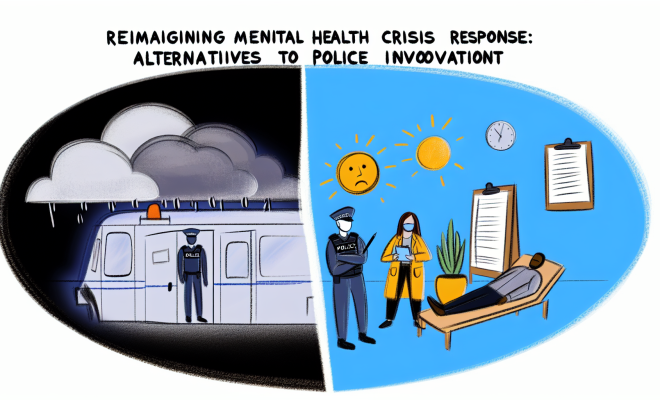
In a groundbreaking report released on April 1, 2026, by a coalition of advocacy organizations—including Human Rights Watch, New York Lawyers for the Public Interest, and the Center for Racial and Disability Justice at UCLA Law School—researchers have identified over 150 non-police crisis response models throughout the United States. The findings highlight the urgent need for alternatives to police-led responses in handling mental health emergencies, emphasizing the potential for more compassionate and effective interventions.

Police Responses Often Escalate Crises

The report critically examines the current paradigm in which police are often the first responders to mental health crises. This model has been widely criticized for escalating situations rather than de-escalating them, particularly in communities of color and among individuals with disabilities. By employing a police-led approach, the report argues, we risk further traumatizing individuals in distress, leading to unnecessary arrests or even violence.

The Role of Lived Experience in Crisis Intervention

A key recommendation of the report is to deploy crisis response teams composed of individuals with lived experience in mental health and substance abuse issues. These teams are trained not only in crisis de-escalation techniques but also in providing rights-based support tailored to the needs of those in crisis. The report emphasizes that such teams can foster a more understanding and empathetic environment, allowing individuals to feel safe and supported.

Surveying the Landscape of Crisis Response Models

The survey of 150 non-police crisis response models reveals a diverse array of approaches that have proven effective in various communities. Some notable examples include:

  • Mobile Crisis Units: Teams that provide on-the-spot support and intervention in mental health emergencies, often consisting of social workers and mental health professionals.
  • Peer Support Networks: Groups comprised of individuals who have experienced similar challenges, offering relatable guidance and support.
  • Community-Based Organizations: Local organizations that focus on mental health and substance abuse, providing resources and support without police involvement.

These models demonstrate that effective crisis intervention does not necessarily require law enforcement. Instead, they showcase the potential for community-led responses that prioritize mental health and well-being.

Advocacy for Expansion of Alternatives

The findings of the report have invigorated advocacy efforts aimed at expanding these non-police responses nationwide. Activists argue that investing in these alternatives is not only a matter of social justice but also a pragmatic approach to public safety. By reallocating resources from police budgets to mental health services, communities can create a safety net that addresses the root causes of crises.

Challenges and Considerations

While the report presents a compelling case for alternatives to police-led crisis responses, there are significant challenges to implementation. Many communities lack the necessary funding to support the development and sustainability of these programs. Additionally, there may be resistance from law enforcement agencies that view the reduction of police involvement as a threat to public safety.

Furthermore, the report underscores the importance of integrating these alternatives into a broader public health framework. This includes improving access to mental health services, enhancing training for first responders, and fostering collaboration among various stakeholders, including mental health professionals, community organizations, and law enforcement.

Moving Towards a Compassionate Response

The call for alternatives to police-led mental health crisis response is gaining momentum as public awareness of mental health issues increases. The report serves as a critical resource for advocates pushing for reform, highlighting the need for a paradigm shift in how society addresses mental health emergencies.

As communities consider new models for crisis intervention, the emphasis on lived experience and rights-based support will be essential in crafting effective responses. By prioritizing compassion and equity, we can create systems that not only protect individuals in crisis but also promote overall community well-being.

Conclusion

The findings from the coalition’s report challenge us to rethink our approach to mental health crises. By embracing non-police crisis response models and investing in community-led initiatives, we have the opportunity to create a more just and supportive environment for individuals facing mental health challenges. As advocacy efforts continue to grow, the hope is that these compassionate alternatives will become the norm, transforming crisis response into a pathway for healing rather than a source of fear.


Previous Article

Rhode Island Senate Proposes Bold Health Care ...

Next Article

Seed Medical Tackles Hong Kong’s Mental Health ...

Matthew Lynch

Related articles More from author

  • Tech News

    Can I use Ansible with Docker?

    August 15, 2026
    By Matthew Lynch
  • Tech News

    Daytime Fireball Stuns Northeast Sky on April 7, 2026

    April 9, 2026
    By Matthew Lynch
  • Tech News

    Historic CPI Drop June 2023: Economic Impact & Future Outlook

    July 18, 2026
    By Matthew Lynch
  • Tech News

    Voice of the Consumer 2026: Shaping Health Choices

    June 24, 2026
    By Matthew Lynch
  • Tech News

    How to add page numbers in Google Docs

    June 13, 2026
    By Matthew Lynch
  • Tech News

    Mastering Skills: Crafting Competency-Based Assessments

    July 14, 2026
    By Matthew Lynch

Search

Login & Registration

  • Log in
  • Entries feed
  • Comments feed
  • WordPress.org

Newsletter

Signup for The Tech Edvocate Newsletter and have the latest in EdTech news and opinion delivered to your email address!

About Us

Since technology is not going anywhere and does more good than harm, adapting is the best course of action. That is where The Tech Edvocate comes in. We plan to cover the PreK-12 and Higher Education EdTech sectors and provide our readers with the latest news and opinion on the subject. From time to time, I will invite other voices to weigh in on important issues in EdTech. We hope to provide a well-rounded, multi-faceted look at the past, present, the future of EdTech in the US and internationally.

We started this journey back in June 2016, and we plan to continue it for many more years to come. I hope that you will join us in this discussion of the past, present and future of EdTech and lend your own insight to the issues that are discussed.

Newsletter

Signup for The Tech Edvocate Newsletter and have the latest in EdTech news and opinion delivered to your email address!

Contact Us

The Tech Edvocate
910 Goddin Street
Richmond, VA 23231
(601) 630-5238
[email protected]

Copyright © 2026 Matthew Lynch. All rights reserved.