UK’s Social Media Ban Under 16: Impact & Reactions
“`html
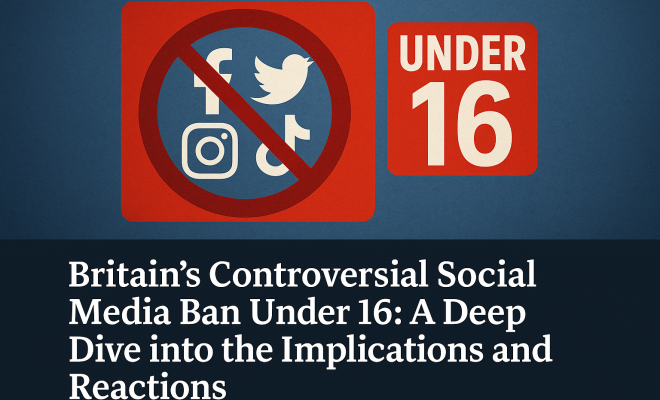
The United Kingdom is embarking on an unprecedented journey toward a social media ban under 16, aiming to prohibit minors from accessing popular platforms like Snapchat, TikTok, and YouTube. This sweeping ban is designed to tackle urgent concerns regarding minors’ exposure to harmful content online. As the debate heats up, parents, tech companies, and civil rights groups are weighing in, revealing a complex web of opinions about the effectiveness and implications of such a policy.
The Rationale Behind the Ban
At the heart of this decision lies a pressing need to protect young users from harmful material that can negatively impact their mental health and overall wellbeing. Studies have shown that excessive exposure to inappropriate content, bullying, and unrealistic beauty standards on these platforms can lead to anxiety, depression, and even suicidal ideation among teens.
Britain’s government, in implementing this social media ban under 16, is echoing concerns raised by mental health professionals and child advocacy groups. For example, a survey from the Royal Society for Public Health found that 70% of young people believe that social media has a negative effect on their mental health. The aim is to create a safer online environment for children by restricting their access to platforms that have not adequately addressed these concerns.
The Global Context
This ban is not an isolated incident. Countries worldwide are grappling with how to regulate social media usage among minors. For instance, in 2021, the U.S. introduced potential regulations that would require platforms to offer more robust parental controls. Meanwhile, in China, regulations have been put in place to limit the amount of time minors can spend on their devices.
However, Britain’s initiative stands out due to its outright prohibition rather than just regulation. This has sparked debates among policymakers globally about what the most effective approach is. Will outright bans deter teens from using potentially harmful platforms, or will it drive them to less regulated, more dangerous corners of the internet?
Viral Reactions on Social Media
In the wake of the announcement, social media platforms have become a battleground for opinions. Emotional reactions flood TikTok and Instagram, where users post videos expressing their outrage, confusion, and even sadness at the potential loss of their online communities. The social media ban under 16 has catalyzed a surge in viral content, with hashtags like #FreeOurTeens trending across Twitter and TikTok.
Parents are also chiming in, often sharing their fears of losing touch with their children and the benefits that social media can provide, such as fostering friendships and providing support networks. Emotional pleas from both sides highlight the nuanced realities of growing up in a digital age.
Concerns About Enforcement
The question on many minds is: how will this ban be enforced? Many parents are searching for details regarding the logistics of keeping their children off these platforms. Tech companies and the government are under pressure to clarify their enforcement strategies, as fears of loopholes abound. We covered impact of violence on youth in more detail.
For instance, will age verification processes be put in place, and how robust will they be? Critics argue that if minors are determined to circumvent the ban, they will find ways to do so. In this scenario, the ban could result in a cat-and-mouse game between tech companies and adolescents seeking to regain their online freedom.
The Debate Over Digital Freedom
The social media ban under 16 has ignited intense discussions surrounding digital freedom and privacy rights. Civil rights activists argue that restricting access to social media infringes on personal freedoms and can lead to a slippery slope of increased governmental control over digital life.
Opponents of the ban contend that teenagers are capable of making informed decisions and that education around safe internet practices is a more effective solution than outright bans. They advocate for a balanced approach that empowers young people to navigate social media responsibly, rather than shielding them entirely.
Potential Consequences of the Ban
As the conversation continues, it’s crucial to consider the potential consequences of such a regulation. Some experts believe that limiting access could inadvertently push teens towards unregulated platforms that lack any moderation, potentially exposing them to even more harmful content. (See: adolescent mental health issues.)
Additionally, the ban could exacerbate feelings of isolation among teens who primarily communicate via social media. The fear of missing out (FOMO) could become more pronounced, leading to increased anxiety and mental health issues instead of decreasing them. The complexities of adolescent socialization must be taken into account when implementing such sweeping restrictions.
Looking at Alternatives
Instead of a blanket ban, many experts suggest exploring alternative solutions that address the root causes of harmful content exposure. Digital literacy programs that educate both children and parents about navigating online spaces could empower families to make informed choices rather than relying on restrictive policies.
Moreover, encouraging tech companies to take greater responsibility in content moderation and implementing age-appropriate filters could provide a safer environment without resorting to outright bans. By investing in better tools for managing content, platforms can help mitigate the risks associated with their usage.
What Lies Ahead for Teens and Social Media
The social media ban under 16 has already left a significant mark on digital culture in the UK. As this policy unfolds, it will be fascinating to observe how it influences the behavior of teens, parents, and tech companies alike. The unfolding narrative will likely set precedents for future regulations worldwide.
Parents will need to be proactive in communicating with their children about their online experiences, fostering open discussions about security and mental health. This collaborative approach could serve to strengthen family bonds while equipping kids to face the challenges of growing up in a digital world.
Final Thoughts
The introduction of the social media ban under 16 undoubtedly signals a pivotal moment in the conversation surrounding youth and digital technology. While the desire to protect minors is rooted in genuine concern, the execution of this policy will require careful consideration of its broader implications for digital freedom and the nature of adolescent socialization.
As society continues to grapple with the complexities of life in a digital age, finding balanced solutions that respect both the need for safety and the importance of social connectivity will be vital. The future of social media and its role in young people’s lives remains an open question, one that will require continued dialogue and collaboration among all stakeholders involved.
Expert Perspectives on the Ban
To gain a deeper understanding of the implications of the social media ban under 16, consider the viewpoints of various experts in fields such as psychology, technology, and law. Dr. Alice Thompson, a child psychologist, cautions that while the intention behind the ban is noble, there must be a balance between regulation and education. She believes that outright bans can lead to secretive behavior among teens, who may feel compelled to go underground to access restricted platforms.
On the tech side, James Harper, a digital rights advocate, argues that the focus should be on fostering responsible usage rather than imposing strict bans. He emphasizes the importance of developing technologies that can better filter harmful content while allowing space for positive engagement. “Bans can often backfire,” Harper states, “leading to unintended consequences, such as isolation from positive peer interactions.”
Statistics and Studies
Statistics provide a clearer picture of the challenges at hand. According to a study conducted by the Pew Research Center, approximately 95% of teens have access to a smartphone, and 45% say they are online almost constantly. This staggering statistic emphasizes the omnipresence of digital interactions in adolescent lives. Furthermore, a report from the National Institute of Mental Health revealed that rates of anxiety and depression among adolescents have increased significantly in recent years, correlating with increased screen time.
In a survey by Childline, it was found that nearly 1 in 4 young people who sought help reported experiencing cyberbullying. This adds weight to the argument for protective measures, but it also highlights the need for solutions that do not alienate young users from supportive online communities.
Comparative Analysis of Regulations
When examining the social media ban under 16, it’s helpful to compare it with similar initiatives in other countries. For example, in Australia, the eSafety Commissioner has been implementing educational programs aimed at teaching children how to navigate online bullying and harmful content. Instead of outright bans, the focus is on empowering children with the knowledge and skills to protect themselves in the digital space.
In contrast, countries like Saudi Arabia impose strict surveillance of social media platforms, allowing the government to monitor and restrict access to content deemed inappropriate. These contrasting approaches bring to light the varying philosophies behind managing minors’ online interactions. The UK’s proposed ban could potentially learn from these models, balancing safety with freedom.
Potential Backlash: The Teen Perspective
To fully understand the impact of the social media ban under 16, consider the perspective of teenagers themselves. A survey conducted among high school students revealed that 60% believe social media is essential for maintaining friendships and staying informed about the world. They feel that limiting access could hinder their ability to connect and express themselves.
Many teens argue that they already face challenges navigating a world of misinformation and peer pressure. They advocate for more comprehensive education about digital literacy rather than outright bans. “We just need better tools to handle the challenges,” said one student during a discussion forum. “Banning us from these platforms doesn’t help us grow.”
FAQs About the Social Media Ban Under 16
What platforms are affected by the social media ban under 16?
The ban aims to restrict access to popular platforms like TikTok, Snapchat, Instagram, and YouTube among users under the age of 16.
How will age verification be implemented?
The government has yet to announce detailed plans for age verification, but there are discussions about using identification documents or software that can analyze user data to determine age.
What are the potential consequences for tech companies that do not comply?
While specifics are still being discussed, non-compliance could lead to hefty fines or restrictions imposed by the government. Companies may also face increased scrutiny from parents and advocacy groups.
Are there any exceptions to the ban?
Currently, the policy proposes a blanket ban for those under 16, with no known exceptions at this time. However, discussions may evolve as the implementation process unfolds.
What resources are available for parents concerned about their children’s social media use?
Parents can access a variety of resources, including digital literacy programs, workshops, and online guides from organizations dedicated to child safety and mental health. Engaging in open conversations with their children about online experiences is crucial.
How do experts suggest balancing freedom and safety in digital spaces?
Experts advocate for a combination of education, parental involvement, and technological solutions. They emphasize the importance of fostering responsible usage rather than adopting an authoritarian approach.
How might this ban affect social media trends among teens?
It’s likely that this ban could lead to the emergence of new platforms less regulated and potentially more dangerous. Trends could shift to alternative methods of communication, such as private messaging apps, which may pose additional risks.
Potential Impact on Mental Health and Wellbeing
In discussions about the social media ban under 16, the mental health implications are at the forefront. Experts point out that while the ban aims to protect young people from harmful content, it’s essential to consider the role social media plays in their lives. For many teens, these platforms are not just sources of entertainment but essential spaces for social interaction and identity formation. A sudden removal from these platforms could lead to feelings of alienation.
Dr. Emily Carter, a youth mental health specialist, emphasizes the need for careful consideration of the psychological impacts this ban might have. “For some adolescents, social media is a vital outlet,” she explains. “It provides them a means to connect with peers and find communities where they feel accepted. The challenge is to protect them from harm without stripping away these essential connections.”
Long-Term Consequences on Social Skills
Another concern relating to the social media ban under 16 is its potential effect on teens’ social skills. As more interactions occur online, the development of communication skills in real-life scenarios may diminish. A ban could limit opportunities for young people to learn how to navigate complex social dynamics, leading to difficulties in face-to-face communication as they mature.
Research indicates that social skills are crucial for personal and professional success later in life. If young people are cut off from social media, they may miss out on valuable experiences that help them learn empathy, negotiation, and conflict resolution. Experts suggest that a more nuanced approach might be needed, focusing on teaching face-to-face interaction while still allowing for online engagement.
Societal Perspectives on Youth and Digital Interaction
The broader societal implications of the social media ban under 16 can be observed through the lens of cultural shifts in how we view youth and digital interaction. Many adults express concerns about the overreliance on technology, viewing social media as a crutch that hinders genuine human connections. Conversely, younger generations often see these platforms as integral to their social fabric.
As these differing views clash, it raises questions about how society values connectivity versus safety. Are we, as a society, willing to sacrifice a portion of youth connectivity for the sake of perceived security? This ongoing cultural negotiation will likely shape future policies and perceptions around technology use among minors.
The Future of Digital Literacy
With the possibility of a social media ban under 16 looming, there is a pressing need for an increased focus on digital literacy education. By equipping teens with the skills to discern credible information, manage their online presence, and understand the implications of their digital interactions, society can create a generation of more responsible digital citizens.
Digital literacy programs can empower young people, teaching them how to navigate challenges like misinformation, online harassment, and maintaining privacy. Schools and community organizations can play a pivotal role in implementing these programs, ensuring that teens are prepared for the complexities of the online world.
What Can Parents Do?
For parents, navigating the landscape of the social media ban under 16 means staying informed and proactive. Open discussions about online experiences can help children feel more comfortable discussing their interactions and any challenges they’re facing. Parents can also set guidelines that encourage healthy social media use while promoting other activities that foster in-person connections.
Moreover, parents can advocate for digital literacy education within schools, encouraging educators to incorporate this essential skill into the curriculum. By being involved and informed, parents can help balance their children’s online and offline lives effectively.
A Look at Potential Legislative Developments
As the UK government continues to iron out the details of the social media ban under 16, there will likely be ongoing legislative developments. Stakeholders, including tech companies and advocacy groups, are closely monitoring the situation and may push for amendments based on public feedback and expert opinions.
It’s essential for lawmakers to remain flexible and responsive to the concerns of families, educators, and mental health professionals. As this policy moves forward, it may undergo changes that reflect a more holistic approach to youth engagement with social media, focusing on education, empowerment, and responsible use. support for young mental health offers useful background here.
“`
Trending Now
Frequently Asked Questions
What is the social media ban under 16 in Britain?
The social media ban under 16 in Britain aims to prohibit minors from accessing popular platforms like Snapchat, TikTok, and YouTube. This initiative seeks to protect young users from harmful content that can negatively affect their mental health and well-being.
Why is the UK implementing a social media ban for minors?
The UK is implementing the ban to address concerns about minors' exposure to inappropriate content, bullying, and unrealistic beauty standards, which can lead to mental health issues such as anxiety and depression.
What do experts say about the effects of social media on youth?
Experts, including mental health professionals and child advocacy groups, have expressed concerns that excessive social media use can harm young people's mental health, with surveys indicating that 70% of youth perceive a negative impact.
How does Britain's social media ban compare to other countries?
Britain's ban is notable for its outright prohibition of social media access for those under 16, contrasting with other countries that are exploring regulations, such as the U.S. and China, which focus on parental controls and time limits.
What are the potential implications of the social media ban in the UK?
The implications of the ban include a safer online environment for children, but it also raises debates about effectiveness, enforcement challenges, and potential impacts on freedom of expression and access to information.
What's your take on this? Share your thoughts in the comments below — we read every one.