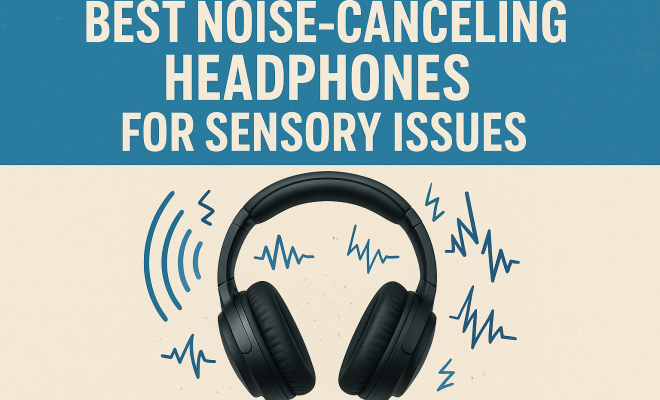
Best Noise-Canceling Headphones for Sensory Issues
“`html
Noise-canceling headphones have rapidly gained popularity, not just as a trendy accessory but as a vital tool for countless individuals facing sensory issues. Whether you’re a parent of a child with sensory processing disorder or an adult navigating the challenges of overstimulation, these headphones can provide a much-needed reprieve. In this article, we explore the best noise-canceling headphones for sensory issues, the science behind sound sensitivity, and practical tips for making an informed choice.
1. The Science of Sensory Processing
Sensory processing refers to how our brains interpret and respond to sensory information from our environment. For many individuals, especially those with conditions like autism spectrum disorder (ASD) or attention deficit hyperactivity disorder (ADHD), sensory input can become overwhelming. Sounds that others may perceive as background noise can feel like an assault on the senses. This heightened sensitivity can lead to stress, anxiety, and difficulty concentrating.
Studies have shown that approximately 1 in 20 children experience sensory processing issues, which can persist into adulthood. This means that a significant segment of the population benefits from interventions like noise-canceling headphones. These devices can create a more manageable auditory environment, allowing individuals to focus better, engage in social interactions, or simply enjoy a moment of calm.
2. How Noise-Canceling Technology Works
Noise-canceling headphones employ sophisticated technology to reduce unwanted ambient sounds. They primarily function through two methods: passive and active noise cancellation. Passive noise cancellation involves physical barriers that block out sound, such as the cushioned ear cups found in many designs. Active noise cancellation (ANC), on the other hand, uses microphones to detect external noise and produces sound waves that are the exact opposite, effectively canceling them out.
The combination of these technologies makes noise-canceling headphones particularly effective for individuals with sensory issues. By lowering the volume of disruptive sounds, users can experience greater comfort and focus. Whether you’re at a bustling coffee shop or on a crowded bus, effective noise-canceling headphones can create a cocoon of tranquility. See also nearly flawless headphones review.
3. Top Brands Offering Noise-Canceling Headphones for Sensory Issues
When it comes to selecting the best noise-canceling headphones for sensory issues, several brands stand out due to their emphasis on quality and user experience. Here are four noteworthy brands:
- Bose: Renowned for its superior noise-canceling technology, Bose offers models like the QuietComfort 35 II, which are lightweight and provide excellent sound quality.
- Sony: The Sony WH-1000XM4 is frequently praised for its adaptive sound control and customizable noise-canceling settings, making it a favorite among sensory-sensitive users.
- Sennheiser: With a reputation for high-fidelity sound, Sennheiser’s Momentum Wireless headphones offer both excellent noise cancellation and a comfortable fit.
- Apple: The AirPods Max are designed for seamless integration with Apple devices and offer effective noise cancellation along with impressive sound clarity.
Each brand has its unique features that cater to specific needs, making it essential to research and determine which is the best fit for you or your loved one.
4. Features to Look for When Choosing Headphones
Choosing the right pair of noise-canceling headphones for sensory issues involves more than just brand recognition. Here are some critical features to consider:
- Comfort: Look for models with plush ear cushions and an adjustable headband. Comfort is essential, especially if the headphones will be worn for extended periods.
- Battery Life: Long battery life is crucial for active users. Many headphones offer up to 30 hours of playback on a single charge.
- Sound Quality: While noise cancellation is vital, sound quality should not be compromised. Choose headphones that deliver clear, balanced audio.
- Customization: Some models allow users to adjust noise-canceling levels or switch to ambient sound modes, providing flexibility based on the environment.
By prioritizing these features, you can ensure that the headphones meet the specific needs of those dealing with sensory issues.
5. Real-Life Benefits of Noise-Canceling Headphones
The impact of noise-canceling headphones for those with sensory issues can be life-changing. Users report feeling less anxious and more in control of their environment. For children with sensory processing disorder, wearing headphones can turn a chaotic classroom into a more manageable space, allowing them to engage better with their peers and educators.
Adults benefit as well; whether working in an open office or commuting, the ability to block out distracting sounds can enhance productivity and reduce stress. The privacy created by noise-canceling headphones can also facilitate improved focus during tasks that require deep concentration, such as studying or creative work. This builds on latest Sony headphones analysis.
6. Considerations for Children and Adults
When choosing noise-canceling headphones for children, it’s vital to consider durability and safety features. Children might be prone to dropping or misplacing their headphones, so models that are robust and come with warranties can be beneficial. Additionally, many brands offer volume-limiting features to protect young ears from excessive sound levels.
For adults, the focus may shift toward style and functionality. Many noise-canceling headphones come in sleek designs that are appropriate for both work and leisure. It’s also worth considering headphones with built-in voice assistants or touch controls for added convenience.
7. Affordability vs. Quality
When it comes to noise-canceling headphones for sensory issues, there’s a wide price range. While it might be tempting to opt for budget options, these models often compromise on sound quality and noise cancellation effectiveness. Investing in a reputable brand can pay off in the long run, as better-quality headphones tend to last longer and provide superior performance.
However, you don’t always have to break the bank. Many mid-range options deliver impressive features without the premium price tag. It’s essential to read reviews and possibly test headphones before purchasing to find the right balance between affordability and quality.
8. Future Trends in Noise-Canceling Technology
The field of noise-canceling technology continues to evolve, with manufacturers consistently developing new features to enhance user experience. Future trends might include more advanced adaptive noise cancellation, which automatically adjusts based on the surrounding environment, and improved wireless technology for seamless connectivity.
There’s also potential for headphones with integrated health monitoring features, which could track stress levels or provide feedback on the user’s auditory health. As technology advances, the goal will remain the same: to create environments where individuals can feel comfortable and in control, particularly in a world filled with overwhelming sensory input.
9. How to Ensure the Best Fit for Your Needs
Finding the perfect noise-canceling headphones goes beyond just features and brands; it’s about ensuring they fit well with your lifestyle and specific sensory needs. Here are a few steps to help you make the best choice:
- Test Before You Buy: If possible, visit a store where you can try on different models. Pay attention to how they feel over time. A snug fit is great, but if they become uncomfortable after a short period, they may not be suitable for extended use.
- Evaluate Your Environment: Consider where you’ll be using the headphones most. If you’re frequently in very noisy places, opt for headphones with stronger active noise cancellation. For quieter environments, you might prioritize comfort and sound quality over noise isolation.
- Seek Recommendations: Whether it’s friends, family, or online communities focused on sensory issues, don’t hesitate to ask for recommendations. Personal experiences can provide insight into how a specific model may meet your needs.
- Look for Return Policies: Some retailers offer generous return policies, allowing you to test the headphones in your daily life. If they don’t work for you, it’s nice to know you can return or exchange them.
10. Real User Experiences and Testimonials
Real user testimonials can provide invaluable insights into the effectiveness of noise-canceling headphones. Many individuals share their stories of transformation, emphasizing how these devices have changed the way they interact with the world. For instance, parents often report that their children show increased focus and reduced anxiety during school hours while wearing noise-canceling headphones. Users with ADHD have noted significant improvements in their ability to complete tasks without becoming easily distracted by external noises.
Adults frequently share experiences of enjoying public transport or crowded environments more comfortably than before. One user said, “Before getting my noise-canceling headphones, I would often leave the office feeling overwhelmed. Now, I can focus on my work without being sidetracked by chatter.” These testimonials highlight the profound impact that noise-canceling headphones can have on daily life, reinforcing their value as a tool for managing sensory issues.
11. Statistics and Research Supporting Their Use
Various studies have highlighted the effectiveness of noise-canceling headphones in improving quality of life for those with sensory sensitivities. For example, research conducted by the American Journal of Occupational Therapy found that 78% of participants reported a decrease in anxiety levels when using noise-canceling headphones in noisy environments. Additionally, a study published in the Journal of Autism and Developmental Disorders found that children with autism experienced a 50% reduction in sensory overload symptoms when wearing these devices.
Furthermore, according to a survey by Consumer Reports, nearly 65% of individuals using noise-canceling headphones for sensory issues found that they were able to engage more fully in social situations. These statistics underscore the importance of incorporating noise-canceling technology into therapeutic strategies for sensory processing challenges.
12. FAQ: Common Questions About Noise-Canceling Headphones for Sensory Issues
1. Are noise-canceling headphones safe for children?
Yes, noise-canceling headphones can be safe for children, especially when they are designed for young users. Look for models with volume-limiting features to protect hearing and ensure comfort and durability suitable for kids.
2. Can I use noise-canceling headphones while listening to music?
Definitely! Noise-canceling headphones can be used while listening to music or other audio. In fact, many users find that the sound quality is enhanced while noise cancellation is active, allowing for a more enjoyable listening experience.
3. How do I maintain my noise-canceling headphones?
To keep your headphones in good condition, regularly clean the ear cushions with a soft cloth and avoid exposing them to extreme temperatures. Store them in a protective case when not in use to prevent damage.
4. Can I wear noise-canceling headphones with glasses?
Yes, many noise-canceling headphones are designed to be comfortable for glasses wearers. Look for models with soft ear cushions that do not press against the glasses’ frames.
5. How often should I charge my noise-canceling headphones?
Battery life varies by model, but many noise-canceling headphones can last between 20 to 40 hours on a full charge. It’s a good idea to charge them after a few uses to ensure they’re ready when you need them.
6. Are there any side effects of using noise-canceling headphones?
Some users may experience a feeling of pressure in their ears or slight discomfort when using active noise-canceling headphones for extended periods. If this occurs, it’s best to take breaks and adjust the fit of the headphones. There’s a fuller look at understanding ADHD.
7. Are there noise-canceling headphones that can also amplify sounds?
Yes! Some models are designed with features that allow you to switch between noise cancellation and amplification. This can be particularly useful in environments where you may want to hear conversations while still reducing background noise.
13. Additional Insights on Noise-Canceling Headphones for Sensory Issues
While we’ve covered a lot about noise-canceling headphones, it’s also important to explore how these devices fit into broader strategies for managing sensory issues. Integration of these headphones into an individual’s daily routine can enhance their effectiveness. For instance, many users benefit from combining the use of noise-canceling headphones with calming techniques such as mindfulness or deep breathing exercises. This kind of multi-faceted approach can address both the sensory overload and the emotional responses it elicits.
Furthermore, some schools and workplaces are beginning to recognize the potential benefits of allowing individuals to use noise-canceling headphones. This can be particularly impactful in environments that are notoriously loud or distracting. By fostering a culture that understands and accommodates sensory sensitivities, institutions can help individuals thrive.
14. Integrating Noise-Canceling Headphones in Therapy
For individuals undergoing therapy for sensory processing disorders or related conditions, noise-canceling headphones can serve as both a practical tool and a therapeutic ally. Therapists often recommend these devices as part of a sensory diet, which includes a variety of activities and strategies aimed at helping individuals manage sensory inputs more effectively.
For example, during therapy sessions, a child might wear noise-canceling headphones to help them concentrate better on activities that require focus. The effectiveness of these headphones can be enhanced when used in conjunction with sensory integration techniques, allowing clients to gradually increase their tolerance to various stimuli. (assistive tech for ADHD support)
15. Community Support and Resources
Connecting with communities that focus on sensory processing issues can provide additional support and resources for individuals and families. Online forums and local support groups often share personal experiences, product recommendations, and coping strategies. Websites dedicated to autism and sensory processing disorders also provide a wealth of information on the latest research and therapeutic approaches.
Moreover, social media groups can serve as platforms for sharing stories and advice. Engaging with others who understand the challenges of sensory issues can help reduce feelings of isolation and provide valuable insights into navigating various environments.
16. Final Thoughts on Noise-Canceling Headphones for Sensory Issues
Noise-canceling headphones serve as a lifeline for many individuals dealing with sensory issues, providing a much-needed escape from overwhelming soundscapes. With a myriad of options available, it’s critical to consider the specific needs and preferences of the user. By investing in quality headphones, you’re not just buying a product; you’re enhancing the quality of life for yourself or a loved one.
As technology continues to improve, the future looks promising for noise-canceling solutions. Whether for work, relaxation, or daily activities, the right headphones can significantly impact well-being and sensory comfort. Don’t overlook the potential benefits; explore the options available and take the first step toward a quieter, more serene existence.
“`
Trending Now
Frequently Asked Questions
What are the best noise-canceling headphones for sensory issues?
The best noise-canceling headphones for sensory issues vary by personal preference, but popular options include Bose QuietComfort Series, Sony WH-1000XM4, and Sennheiser PXC 550-II. These models are known for their effective noise cancellation and comfort, making them ideal for individuals with sensory processing challenges.
How do noise-canceling headphones help with sensory processing?
Noise-canceling headphones help individuals with sensory processing issues by significantly reducing unwanted ambient sounds. This creates a calmer auditory environment, which can alleviate feelings of stress and anxiety, allowing users to focus better or enjoy quieter moments.
What is the science behind sensory processing issues?
Sensory processing issues occur when the brain struggles to interpret sensory information, leading to overstimulation. This condition is often seen in individuals with autism spectrum disorder (ASD) or ADHD, causing everyday sounds to feel overwhelming and potentially leading to anxiety and concentration difficulties.
What is the difference between passive and active noise cancellation?
Passive noise cancellation uses physical barriers, like cushioned ear cups, to block out sound, while active noise cancellation (ANC) employs microphones to detect external noise and generate sound waves that counteract it. Many high-quality headphones combine both methods for optimal sound reduction.
Can noise-canceling headphones benefit children with sensory issues?
Yes, noise-canceling headphones can greatly benefit children with sensory issues by providing a more manageable auditory environment. They can help reduce overwhelming sounds, allowing children to feel more at ease in noisy settings, thus improving their ability to focus and engage socially.
Agree or disagree? Drop a comment and tell us what you think.