Best Headphones for Kids (Elementary School)
“`html
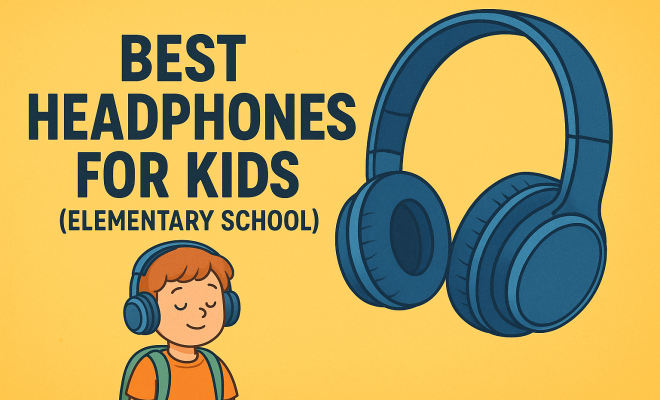
As technology continues to advance, there’s no denying that headphones have become essential tools for kids, especially those in elementary school. Whether they’re diving into an educational podcast, enjoying music, or participating in virtual classes, having the right headphones can significantly enhance their experience. In this article, we’ll explore the best headphones for kids, taking into account important features such as sound quality, comfort, durability, and safety.
1. Kids’ Safety: Volume Limiting Technology
When choosing the best headphones for kids, one of the most critical aspects is volume control. Children are particularly sensitive to loud noises, and prolonged exposure can lead to hearing damage. Many manufacturers now design headphones with built-in volume limiters that restrict sound levels to safe thresholds—usually around 85 decibels.
This feature is especially important in classroom settings where children may listen to audio for extended periods. By ensuring that their headphones automatically limit sound, parents can have peace of mind. Brands like Puro Sound Labs and LilGadgets offer models with volume-limiting technology, making them ideal options for parents concerned about hearing health.
2. Comfort and Fit for Little Ears
Comfort is paramount when considering the best headphones for kids. Young children often have smaller heads and ears, requiring headphones that can adjust and fit snugly without causing discomfort. Many brands have recognized this need and offer headphones designed specifically for kids. Crisis management strategies offers useful background here.
Look for adjustable headbands, cushioned ear cups, and lightweight materials. For instance, the JLab JBuddies and the Snugs Kids Headphones are designed with soft ear pads and a lightweight build, ensuring that kids can wear them for hours without complaints. This comfort is essential for maintaining focus during lessons or while enjoying their favorite songs.
3. Durability: Built to Last
Kids can be rough on their belongings, which is why durability is a critical feature in finding the best headphones for kids. Many headphones designed for children are crafted from robust materials that can withstand drops, pulls, and other forms of wear and tear. Headphones like the Kidz Gear Wired Headphones are made from durable plastic and come with reinforced cables to prevent breakage.
Moreover, some models also offer foldable designs that make them easy to store and carry, reducing the risk of damage when not in use. It’s essential for parents to invest in a product that will last, as frequent replacements can become expensive over time.
4. Wired vs. Wireless: What’s Best?
When selecting the best headphones for kids, consider whether a wired or wireless option is more suitable. Wired headphones tend to be more affordable and don’t require charging, making them convenient for younger children. However, they can be cumbersome with wires that can tangle or get caught on objects.
On the other hand, wireless headphones offer freedom of movement, which is particularly beneficial for active kids. Bluetooth-enabled models, like the Anker Soundcore Life Q20, can connect easily to devices without the hassle of cords. Parents should weigh the pros and cons of each type and choose according to their child’s needs and habits.
5. Sound Quality: Clarity Matters
While safety and comfort are primary concerns, sound quality should not be overlooked when selecting the best headphones for kids. Children should be able to enjoy clear, crisp audio whether they’re listening to music or engaging in educational content. Look for headphones that deliver a balanced sound profile, ensuring that voices and instruments can be distinctly heard.
Brands like Sony and Bose offer high-quality audio in their kid-friendly models, which can make a significant difference in how children engage with their learning materials. A good sound experience can enhance their focus and retention, making learning more enjoyable.
6. Additional Features: What to Look For
Modern headphones often come packed with features that can enhance usability and enjoyment. For example, many models now include built-in microphones, allowing kids to participate in virtual classes or video calls easily. This functionality is particularly relevant in today’s learning environments, where online communication is becoming standard. (See: impact of loud noises on children.)
Another fantastic feature to consider is the battery life in wireless models. Some headphones can last for up to 20 hours on a single charge, making them perfect for long trips or extended use. Additionally, some brands offer customizable designs, allowing kids to express their personalities with fun colors and patterns.
7. The Best Headphones for Kids: Our Top Picks
Now that we’ve explored essential considerations, here’s a list of the best headphones for kids currently available:
- Puro Sound Labs PuroQuiet: These headphones combine excellent sound quality with volume-limiting technology, perfect for safe listening.
- JLab JBuddies: Comfortable, durable, and affordable, these wired headphones are designed for kids with adjustable features.
- LilGadgets Untangled Pro: A wireless option boasting long battery life and a built-in microphone, making it ideal for classes.
- Snugs Kids Headphones: Known for their comfort, these headphones can fit snugly on smaller heads and are built to last.
- Kidz Gear Wired Headphones: Affordable and durable, these headphones come with a volume limiter and are great for everyday use.
- Anker Soundcore Life Q20: A wireless option with superior sound quality and noise cancellation features.
- Sony WH-CH510: Lightweight and comfortable, these headphones offer great battery life and good sound quality for kids.
- iClever Boostcare: These headphones come with a volume limiter, great durability, and excellent sound quality for young listeners.
Selecting the right headphones for children can enhance their learning experiences tremendously, providing clarity and safety while they engage with audio content. Each of these options showcases a balance of features tailored to young users, ensuring they enjoy their journeys through music and education without compromising their well-being.
8. Final Thoughts: Setting the Right Foundations
Investing in the best headphones for kids is more than just a purchase; it’s about fostering a love for learning and exploration. The right headphones can serve as a bridge to new educational experiences, allowing kids to immerse themselves in various content formats.
As technology continues to evolve, it’s essential to choose headphones that not only meet the immediate needs of children but also promote healthy listening habits that will last a lifetime. With the variety of options available, parents can find the perfect pair that fits their children’s needs, preferences, and safety concerns. Happy listening!
9. The Importance of Sound Quality in Learning
When it comes to education, sound quality can play a pivotal role in how children absorb information. Studies have shown that clear audio helps improve comprehension and retention of material. For children who struggle with auditory processing, headphones that produce clear sound can make a significant difference in their ability to understand lessons, especially during virtual learning sessions.
For example, children listening to audiobooks or educational podcasts benefit from headphones that deliver crisp, clear audio without distortion. This clarity can help them grasp new concepts more easily and remain engaged with the content. Additionally, sound isolation can help minimize distractions, enabling better focus during learning activities.
10. Compatibility with Devices
Another essential factor when choosing the best headphones for kids is ensuring compatibility with various devices. Kids often use multiple devices for learning and entertainment, including tablets, laptops, and smartphones. Before making a purchase, check if the headphones are compatible with the devices your child uses most frequently.
Some headphones, especially wireless models, may have limitations with certain devices or operating systems. Brands like JLab and Anker typically ensure broad compatibility, but it’s worth doing your homework to avoid disappointments later. Wired headphones usually offer universal compatibility with any device that has a headphone jack, but be aware of the type of connection—some newer devices may require adapters.
11. Best Practices for Kids’ Headphone Use
Once you’ve purchased the perfect pair of headphones for your child, it’s important to establish best practices for their usage. Start by setting volume limits on devices, if possible, to reinforce safe listening habits. Encourage breaks during extended use to prevent ear fatigue, and educate your child on the importance of volume control in protecting their hearing.
It can also be helpful to create a designated space for headphone use. Whether it’s a quiet corner for studying or a cozy spot for listening to music, having a go-to area can foster a positive listening environment. Lastly, take the time to check in with your child about their headphones; if they’re experiencing discomfort or if the sound quality seems off, it might be time for an upgrade or adjustment.
12. FAQs About the Best Headphones for Kids
What age is appropriate for kids to start using headphones?
Generally, children can start using headphones around the age of three. However, it’s crucial to choose appropriately sized headphones designed for young children to ensure comfort and safety. Always monitor their headphone usage and educate them about volume limits.
Are wireless headphones safe for kids?
Yes, wireless headphones can be safe for kids as long as parents ensure they are equipped with volume limiting features and are used in moderation. Bluetooth technology is considered safe, but parents should supervise their usage, especially for younger children. (See: effects of noise exposure on children.)
How do I clean my child’s headphones?
Cleaning headphones is essential for hygiene. Use a soft cloth slightly dampened with water and a mild soap solution to wipe down the ear cups and headband. For in-ear models, ensure to regularly change or clean the ear tips according to the manufacturer’s instructions.
Can kids use noise-canceling headphones?
Noise-canceling headphones can be beneficial for kids, especially in noisy environments like airplanes or busy classrooms. They help to block out distractions, allowing children to focus better. However, it’s essential to ensure they still maintain volume limits to protect their hearing.
What should I do if my child complains about discomfort while using headphones?
If your child experiences discomfort, check the fit and adjust the headband or ear cups as needed. If problems persist, it may be time to consider a different model that better suits their head size and ear shape. Comfort is key for prolonged use.
What are some budget-friendly options for kids’ headphones?
There are several affordable options that don’t compromise quality. Brands such as iClever, Kidz Gear, and JLab offer great budget-friendly choices that include volume limiting features and decent sound quality, making them excellent for everyday use.
13. Choosing Based on Activity Type
Understanding the type of activities your child will be engaging in can help narrow down the best headphones for their needs. If your child is primarily using headphones at home for learning and entertainment, comfortable over-ear models may be ideal. They provide excellent sound isolation and comfort for extended use.
For active children or those who will use headphones on the go, consider lightweight and durable models that are also sweat-resistant. Wireless earbuds may be a good fit for these situations, as they provide freedom of movement. Brands like Anker and JLab have options specifically designed for active lifestyles.
14. The Future of Kid-Friendly Headphones
As technology progresses, we can expect to see even more innovative features in headphones designed for kids. Features such as voice assistant compatibility, customizable sound profiles, and enhanced durability are just a few possibilities on the horizon. As more children engage with technology, the demand for high-quality, safe audio devices will only increase.
Parents can stay ahead of the curve by keeping an eye on new releases and advancements in kid-friendly headphones. As educators and parents, fostering a healthy relationship with technology and sound will set the foundation for a more enriching learning experience for children.
15. Headphone Accessories: Enhancing the Experience
To further improve your child’s headphone experience, consider investing in some accessories. Headphone cases can provide protection when the headphones are not in use, preventing damage from drops or scratches. A good case can extend the life of the headphones significantly.
Headphone splitters are another great accessory, especially for families with multiple kids. These devices allow two sets of headphones to connect to one audio source, making it perfect for car rides or watching movies together. This way, siblings can enjoy the same content without disturbing one another or having to share a single pair of headphones.
Lastly, don’t overlook the benefits of cleaning kits designed for headphones. Regular maintenance can help prolong the life of the headphones and ensure that they remain hygienic, especially when used by multiple children. (See: facts about hearing loss in children.) For more on this, see Creating secure classrooms.
16. Expert Recommendations: What Parents Should Look For
Experts recommend that parents pay attention to durability and safety features when searching for the best headphones for kids. According to pediatric audiologists, headphones should be lightweight yet sturdy, as this combination provides comfort and resilience against everyday wear and tear.
Dr. Emily O’Brien, an audiologist specializing in pediatric hearing, emphasizes the importance of sound quality and volume control. “Headphones that restrict volume levels are essential to prevent hearing loss in children,” she notes. “Parents should also encourage children to take breaks to prevent ear fatigue.”
Additionally, children with special needs may require specific types of headphones. Noise-canceling or sound-isolating headphones might be particularly beneficial for those with sensory sensitivities. Consulting with specialists can help parents find suitable options tailored to their child’s needs.
17. Real-Life User Experiences
Listening to other parents’ experiences can provide valuable insights into the durability and functionality of various headphone models. Many parents have shared their stories of how certain headphones have held up under typical use and what features their children appreciated the most.
For example, one parent reported that the JLab JBuddies were a game changer for her son, who often struggled with focus. “He loves how comfortable they are, and I love that they don’t go too loud. He wears them for hours while studying, and they’ve held up well despite being dropped multiple times,” she shared.
Another parent recounted a positive experience with the Puro Sound Labs PuroQuiet headphones. “The noise cancellation feature is fantastic. My daughter uses them during her online classes, and she can focus so much better without distractions. Plus, the volume limiter gives me peace of mind,” she said.
18. Summary of Key Features to Consider
Finding the ideal headphones for kids can be a daunting task with so many options available. Here’s a quick refresher on key features to keep in mind:
- Volume Limiting: Ensure the headphones have a built-in volume limiter to protect your child’s hearing.
- Comfort: Look for adjustable headbands and cushioned ear cups for long-term comfort.
- Durability: Opt for robust materials that can withstand rough handling.
- Wired vs. Wireless: Choose based on your child’s usage habits and preferences.
- Sound Quality: Select headphones that deliver clear sound for improved understanding and enjoyment.
- Compatibility: Check that the headphones work with the devices your child uses.
- Additional Features: Consider built-in microphones, long battery life, and customizable designs.
With these considerations in mind, you can feel confident in selecting the best headphones for kids, ensuring they have an enjoyable and safe audio experience.
“`
Trending Now
Frequently Asked Questions
What are the best headphones for kids?
The best headphones for kids are those designed with safety, comfort, and durability in mind. Look for options with volume-limiting technology, like Puro Sound Labs and LilGadgets, to protect young ears. Additionally, models like JLab JBuddies and Snugs Kids Headphones offer adjustable fit and cushioned ear pads for extended comfort during use.
Why are volume-limiting headphones important for children?
Volume-limiting headphones are crucial for children because their ears are particularly sensitive to loud sounds. Prolonged exposure to high volumes can lead to hearing damage. Headphones with built-in volume limiters restrict sound levels to safe thresholds, typically around 85 decibels, providing peace of mind for parents and ensuring safe listening experiences.
How do I choose headphones for my child?
When choosing headphones for your child, prioritize features like volume-limiting technology, comfort, and fit. Look for adjustable headbands and cushioned ear cups to ensure a snug fit without discomfort. Consider lightweight materials that allow for extended wear, especially for educational purposes or long listening sessions.
Are there headphones specifically designed for kids?
Yes, many brands produce headphones specifically designed for kids, considering their unique needs. These headphones often feature adjustable designs, volume-limiting technology, and comfortable ear pads. Brands like JLab and Snugs focus on creating lightweight and durable models that cater to the smaller head sizes of children, ensuring both safety and comfort.
What features should I look for in kids' headphones?
When selecting kids' headphones, look for key features such as volume-limiting technology to protect hearing, a comfortable and adjustable fit for small heads, cushioned ear cups for prolonged use, and durability to withstand rough handling. These features will enhance the listening experience while ensuring safety and comfort for your child.
Agree or disagree? Drop a comment and tell us what you think.