Attachment Theory: Supporting Students with Insecure Attachment
“`html
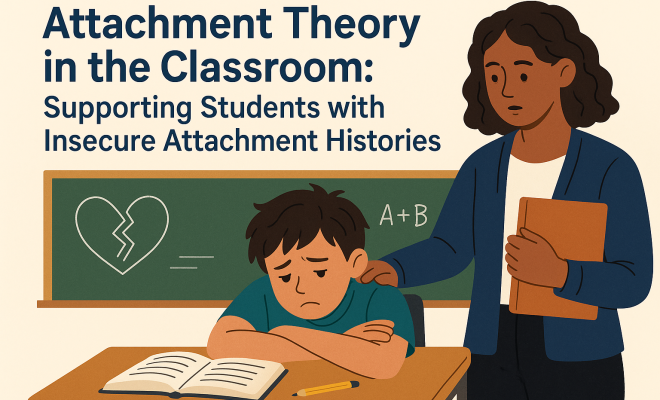
Understanding how students connect with their educators can profoundly impact their academic success and emotional well-being. Attachment theory in education sheds light on the experiences of students, particularly those with insecure attachment histories. These students often struggle to form healthy relationships, which can hinder their learning. By recognizing the significance of attachment styles, educators can tailor their teaching methods, cultivate supportive environments, and ultimately facilitate better learning outcomes for all.
What Is Attachment Theory?
Attachment theory, developed by psychologist John Bowlby in the mid-20th century, posits that early relationships with caregivers shape individuals’ social, emotional, and cognitive development. Bowlby suggested that children develop attachments, or bonds, with their primary caregivers, which serve as a blueprint for future relationships.
Mary Ainsworth, a colleague of Bowlby, furthered this theory through her research, particularly in the “Strange Situation” experiment. This study categorized attachment styles into four main types: secure, anxious-ambivalent, anxious-avoidant, and disorganized. These styles influence how individuals interact with others, including teachers, peers, and family members.
The Relevance of Attachment Theory in Education
The classroom is more than just a space for academic learning; it’s a social environment where students interact and build relationships. Attachment theory in education plays a critical role in understanding how students engage with their peers and educators. When students have a secure attachment, they tend to feel safe, explore their surroundings, and engage in learning more readily. Conversely, those with insecure attachments may struggle with trust, self-esteem, and anxiety, adversely affecting their academic performance and social interactions.
The implications of attachment theory extend beyond individual learning styles. Schools that adopt an understanding of attachment theory can implement strategies that foster healthier environments, improving both emotional and educational outcomes. This is especially crucial for students with insecure attachment histories, who may need additional support to thrive.
Types of Attachment Styles and Their Effects on Learning
Attachment styles can be broadly categorized into three primary groups—secure, anxious-ambivalent, and anxious-avoidant—each affecting how students perceive and engage in their learning environments.
Secure Attachment
Students with a secure attachment style typically have positive relationships with their caregivers. They feel safe to explore their environment and seek help when needed. In the classroom, these students are more likely to participate actively, collaborate with peers, and engage with their teachers. They demonstrate resilience in facing challenges and are open to feedback, making them more adaptable learners.
Anxious-Ambivalent Attachment
Students exhibiting anxious-ambivalent attachment may have experienced inconsistent caregiving, leading to uncertainty in their relationships. In educational settings, these students often crave approval and reassurance from teachers while simultaneously fearing rejection. This can result in anxiety and reluctance to participate, as they may doubt their abilities or worry about judgment. Understanding this attachment style allows educators to provide the structured support these students need to feel secure and valued.
Anxious-Avoidant Attachment
Students with an anxious-avoidant attachment style often keep their distance from emotional connections. They may appear self-sufficient but often struggle internally with feelings of isolation. In classrooms, these students might disengage or refuse to ask for help, believing they need to handle problems independently. By recognizing this pattern, teachers can create opportunities for connection and trust-building to encourage these students to open up.
Disorganized Attachment
Students with disorganized attachment histories often exhibit confused or contradictory behavior. They may have experienced trauma or erratic caregiving, leading to unpredictable emotional responses. In educational contexts, these students may struggle with self-regulation and have difficulty forming relationships, impacting their learning and social skills. Identifying these students and approaching them with empathy can help teachers guide them toward healthier relational patterns.
Recognizing Signs of Insecure Attachment in the Classroom
Teachers play a pivotal role in identifying students who may be struggling with insecure attachment styles. Recognizing the signs can be the first step toward providing the necessary support. Here are some common indicators: There’s a fuller look at tips for inspiring students.
- Withdrawal from social interactions: Students may avoid engaging with peers or teachers, sitting alone or showing disinterest in collaborative activities.
- Emotional outbursts: Frequent mood swings or intense emotional reactions can signal underlying attachment issues.
- Difficulty with trust: Some students may hesitate to seek help or collaborate, fearing vulnerability or rejection.
- Over-dependence on teachers: Conversely, some may cling to educators for reassurance, displaying clingy or needy behaviors.
By observing these signs, educators can tailor their approach to maximize student connection and engagement. (See: Attachment theory overview.)
Strategies for Supporting Students with Insecure Attachment Histories
Once educators recognize the signs of insecure attachment, they can implement specific strategies to support affected students. Here are several effective approaches:
Build Trusting Relationships
Establishing strong, trusting relationships is fundamental. Students need to feel safe and valued in their classroom environment. Teachers can achieve this by being consistent, reliable, and available. Simple gestures—like greeting students by name, showing interest in their lives, and providing consistent feedback—can significantly foster a sense of belonging.
Create a Safe Learning Environment
Safety extends beyond physical aspects; it also encompasses emotional security. Establishing a classroom culture where mistakes are viewed as learning opportunities can encourage anxious students to engage more openly. Setting clear expectations and routines helps students feel secure and prepared for learning.
Encourage Positive Peer Interactions
Facilitating group work and collaborative projects not only helps improve social skills but also encourages students to form connections with their peers. Carefully structured activities can help students with insecure attachment histories practice trust and cooperation in a supportive context.
Utilize Social-Emotional Learning (SEL)
Integrating social-emotional learning into the curriculum is vital for helping all students, particularly those with insecure attachments. SEL programs teach skills like empathy, emotional regulation, and relationship-building, equipping students with the tools they need to manage their emotional responses and cultivate healthy relationships.
Implement Trauma-Informed Practices
For students with histories of trauma, trauma-informed practices are crucial. Educators should be aware of how trauma can impact behavior and learning. Training teachers in trauma-informed approaches helps them recognize triggers and respond compassionately, ensuring that students feel understood rather than judged.
The Role of Families in Supporting Attachment
Families play a significant role in developing attachment styles. Engaging with families can enhance the support provided in the classroom. Here are some strategies for collaboration:
Open Communication
Encourage parents and guardians to communicate openly about their children’s needs and experiences. Holding regular meetings or creating channels for feedback can strengthen the partnership between home and school.
Provide Resources for Parents
Educators can offer resources or workshops for parents on attachment theory and its impact on learning. Equipping families with knowledge helps them understand their child’s behaviors and provides strategies for fostering secure attachments at home. (technology in education solutions)
Foster a Collaborative Environment
Creating an inclusive atmosphere where families feel welcomed and involved can enhance attachment styles. Involving parents in school events and decision-making processes fosters a sense of community, benefiting both students and families.
Current Trends and Future Directions in Education
In recent years, there has been a growing recognition of the importance of attachment theory in education. Many schools have started implementing programs focused on social-emotional learning and trauma-informed practices, prioritizing mental health and well-being alongside academic achievement.
Looking ahead, the integration of attachment theory into teacher training programs can further emphasize the significance of understanding students’ emotional needs. Educators equipped with this knowledge will be better prepared to create supportive learning environments that cater to diverse attachment styles.
Addressing Attachment Theory Through Educational Policies
Beyond individual classrooms, educational policies can play a vital role in promoting an understanding of attachment theory on a systemic level. Schools can advocate for policies that support social-emotional learning initiatives and provide funding for training teachers in attachment-related strategies. For example, districts might consider implementing comprehensive curricula that integrate attachment theory principles, ensuring that all staff members, from administration to support personnel, understand the importance of nurturing secure attachments.
By aligning policies with attachment theory, schools can create an environment that prioritizes mental health and emotional well-being, ultimately leading to improved academic outcomes. Innovative approaches, such as establishing mental health days or integrating mindfulness practices into the school routine, can also support students’ emotional needs and promote a culture of understanding and support. (See: CDC on attachment and child development.)
Case Studies: Schools Implementing Attachment Theory Principles
Several schools across the country have successfully implemented attachment theory principles, demonstrating the potential for positive change. For instance, a school in California adopted a trauma-informed approach, training teachers to recognize signs of trauma and respond appropriately. This initiative led to a significant reduction in disciplinary actions and an increase in student engagement. Teachers reported feeling more connected to their students, who, in turn, felt safer and more supported in their learning environment.
Another example comes from a school in New York that integrated social-emotional learning into its curriculum. By focusing on relationship-building activities and fostering a sense of community, the school saw improvements in student behavior and academic performance. Students felt empowered to seek help when needed and developed a stronger sense of empathy toward one another.
These case studies highlight the practical applications of attachment theory in diverse educational settings, showcasing how thoughtful implementation can lead to meaningful change in students’ lives. We covered equality in educational change in more detail.
Statistics on Attachment Theory and Academic Success
Research supports the link between attachment theory and educational outcomes. Studies have shown that students with secure attachments perform better academically. For instance, one study found that children with secure attachments were more likely to achieve higher grades and exhibit better cognitive skills than their insecurely attached peers. Additionally, a meta-analysis revealed that social-emotional competencies, which are often rooted in attachment security, correlate with improved academic performance across various age groups.
Furthermore, the National Center for Children in Poverty reports that children from secure attachment backgrounds are less likely to experience behavioral problems, which can significantly impact their learning trajectories. These findings underscore the importance of fostering secure attachments within educational settings to promote overall student success.
Expert Perspectives on Attachment Theory in Education
Experts in psychology and education emphasize the critical role of attachment in shaping students’ learning experiences. Dr. Dan Siegel, a renowned psychiatrist and author, highlights the importance of creating a safe environment for students, stating that “the brain is wired for connection.” He argues that when students feel safe and secure, they are more likely to engage in the learning process and develop the resilience needed to overcome challenges.
In a similar vein, Dr. Linda Graham, a clinical psychologist, underscores the significance of fostering relationships in schools. She notes that “the quality of our relationships can profoundly affect how we learn and grow.” By focusing on nurturing these relationships, educators can create a more inclusive and effective educational environment.
FAQ: Attachment Theory in Education
What is the primary focus of attachment theory in education?
Attachment theory in education centers on how students’ early relationships with caregivers influence their behavior and learning in school. Understanding these dynamics allows educators to better support their students’ emotional and academic needs.
How can teachers identify students with insecure attachment styles?
Teachers can look for behavioral indicators such as withdrawal from social interactions, emotional outbursts, difficulties in trusting others, or an over-dependence on teachers. Recognizing these signs can help educators provide targeted support.
What are effective strategies for helping students with insecure attachments?
Building trusting relationships, creating a safe learning environment, encouraging positive peer interactions, utilizing social-emotional learning, and implementing trauma-informed practices are all effective strategies for supporting students with insecure attachments.
How does attachment theory impact student performance?
Students with secure attachments are generally more engaged, resilient, and perform better academically than those with insecure attachments. The emotional security provided by positive relationships allows them to thrive in a learning environment.
Can attachment theory principles be applied in remote learning environments?
Absolutely! Educators can foster connections through regular communication, virtual check-ins, and by creating a sense of community in online settings. Being responsive and available can help maintain the supportive relationships crucial for student success, even in digital classrooms.
Expanded Understanding of Attachment Theory in the Classroom
Within the framework of attachment theory in education, it’s essential to explore the dynamic interactions in the classroom beyond just the student-teacher relationship. Peers also play a significant role in shaping attachment experiences. Students often model their interactions based on the relationships they have observed at home, which can manifest in their peer interactions. Therefore, cultivating a classroom community where children learn conflict resolution, empathy, and support for one another can transform the educational experience. For more on this, see activist strategies for K-12.
Research underscores the importance of peer relationships in educational settings. A study by the American Psychological Association found that students with strong peer relationships tend to exhibit higher levels of academic achievement. They are also more likely to engage positively in school activities and have better mental health outcomes. This connection suggests that educators should not only focus on teacher-student attachment but also on fostering healthy peer relationships to enhance learning experiences.
Integrating Attachment Theory into Curriculum Design
Another vital aspect of implementing attachment theory is integrating it into curriculum design. Curricula that promote emotional intelligence can serve as a foundational element in building secure attachments. Subjects such as social studies, literature, and even science can be tailored to include themes of empathy, cooperation, and community. For example, literature classes can include books with strong relational themes that challenge students to examine emotional responses and relationship dynamics. Discussing these themes allows students to reflect on their experiences and understand their feelings better. Additionally, project-based learning can facilitate collaboration, allowing students to work together and build trust among one another.
The Impact of Teacher Training on Attachment Awareness
Educator training programs must include comprehensive modules on attachment theory, equipping future teachers with the tools they need to recognize and respond to students’ emotional needs effectively. Ongoing professional development workshops can also reinforce these concepts and keep educators updated on the latest research and strategies. For instance, training programs can simulate classroom scenarios where educators practice responding to students exhibiting signs of insecure attachment. By preparing teachers to handle specific situations with sensitivity and understanding, schools can create a more supportive atmosphere conducive to learning.
Exploring Cross-Cultural Perspectives on Attachment in Education
Attachment theory has also shown diverse applications across different cultural contexts. Understanding how various cultures perceive attachment can help educators create more inclusive classrooms. For example, collectivist cultures may emphasize community and interdependence, impacting how attachment manifests in students. Research indicates that students from these backgrounds may value group harmony and relationships over individual achievement. In contrast, individualistic cultures may encourage independence and personal success. Recognizing these differences allows educators to adapt their teaching approaches to accommodate diverse student backgrounds. By fostering an understanding of these cultural variations, schools can create a more inclusive environment where all students feel valued and connected.
Future Research Directions for Attachment Theory in Education
As attachment theory continues to evolve, future research is essential to explore its implications in educational settings. There is a growing need for longitudinal studies examining the long-term effects of attachment-based interventions on academic and emotional outcomes. Furthermore, researchers can investigate how various factors—such as socioeconomic status, cultural background, and school climate—interact with attachment styles to influence student performance. This knowledge can guide educators in refining their practices and addressing the diverse needs of their students more effectively.
Additionally, exploring the role of technology in shaping attachment may become increasingly relevant. As students engage with digital tools and online learning environments, understanding how technology impacts their attachment experiences can provide valuable insights into creating supportive educational frameworks that cater to all learners.
Conclusion: The Power of Attachment Theory in Education
Incorporating attachment theory in education transforms the classroom experience for students, particularly those with insecure attachment histories. By acknowledging the impact of early relationships on learning and behavior, educators can implement effective strategies that promote emotional well-being and academic success. Creating a nurturing, understanding, and supportive educational environment is key to helping all students thrive. As we move forward, the commitment to understanding and addressing attachment styles in education will undoubtedly pave the way for a brighter future for learners everywhere.
“`
Trending Now
Frequently Asked Questions
What is attachment theory in education?
Attachment theory in education refers to the understanding of how students' early relationships with caregivers influence their social, emotional, and cognitive development. It highlights the importance of attachment styles in shaping how students interact with peers and educators, impacting their academic success and emotional well-being.
How does insecure attachment affect students?
Students with insecure attachment histories may struggle with trust, self-esteem, and anxiety, which can hinder their academic performance and social interactions. These challenges can lead to difficulties in forming healthy relationships, ultimately affecting their overall learning experience.
What are the different attachment styles?
Attachment styles are categorized into four main types: secure, anxious-ambivalent, anxious-avoidant, and disorganized. Each style reflects how individuals relate to others and can significantly influence their interactions in educational settings, affecting both learning and emotional health.
Why is attachment theory important for teachers?
Understanding attachment theory is crucial for teachers as it helps them recognize the diverse emotional needs of their students. By tailoring teaching methods and creating supportive environments, educators can foster better relationships and improve learning outcomes for all students, particularly those with insecure attachments.
How can educators support students with insecure attachment?
Educators can support students with insecure attachment by cultivating a safe and nurturing classroom environment, building trust through consistent interactions, and employing teaching strategies that promote positive relationships. This approach helps students feel more secure and engaged in their learning.
What did we miss? Let us know in the comments and join the conversation.