AI & Your Job: Assess Automation Risks for 2026
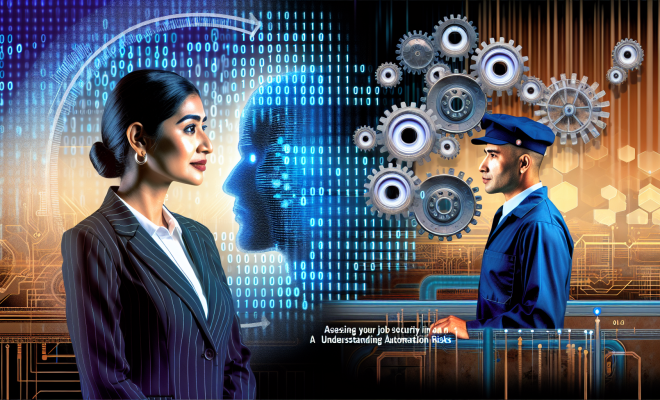
As artificial intelligence (AI) continues to evolve and integrate into various sectors, many professionals find themselves asking a crucial question: Will AI take my job? In a recent video newsletter hosted by Christopher Penn on March 15, 2026, viewers were provided with valuable insights on how to evaluate their personal exposure to AI-driven job automation.
Identifying Key Tasks
The first step in assessing job security in the face of automation is to identify the specific tasks you perform in your role. This involves breaking down your daily responsibilities into discrete components. By doing so, you can gain a clearer understanding of which tasks are most susceptible to being automated by AI.
- List Your Responsibilities: Start by writing down all your daily tasks.
- Classify Tasks: Categorize them into routine and non-routine tasks.
- Evaluate Complexity: Assess the complexity of each task. Simpler, repetitive tasks are more likely to be automated.
Evaluating AI Likelihood
Once you have identified your tasks, the next step is to evaluate the likelihood of AI taking over those responsibilities. A tool mentioned in Penn’s newsletter is Claude Opus, an AI model that has shown significant improvement in handling human tasks. As of now, Claude Opus can manage tasks that previously took humans 12 hours, with a success rate of 50%. This is a remarkable improvement from its earlier capability of managing tasks that took six hours.
This enhanced efficiency suggests that AI is becoming increasingly capable of performing complex tasks. To assess your job’s vulnerability:
- Use AI Tools: Utilize AI evaluation tools like Claude Opus to understand how effectively AI can perform your tasks.
- Compare Success Rates: Keep track of success rates as AI tools improve over time.
- Stay Informed: Follow developments in AI technologies that may impact your industry.
Assessing Job Risk
Understanding the risk associated with your job is crucial. Not all jobs are equally vulnerable to automation. In his newsletter, Penn highlighted the importance of examining the nature of your work:
- Creative vs. Repetitive Tasks: Jobs that require creativity, emotional intelligence, or complex problem-solving skills are less likely to be automated compared to those involving routine tasks.
- Industry Trends: Research trends in your specific industry to see how AI is being adopted and which roles are being affected.
- Job Role Evolution: Consider how your job might evolve alongside AI. Many roles will not disappear but will change in nature.
Strategies to Upskill
In light of the potential for job displacement due to AI, it is essential to consider strategies for upskilling. Penn suggested that professionals should focus on moving up the value chain by acquiring new skills that are complementary to AI capabilities. Here are some effective strategies:
- Continuous Learning: Engage in lifelong learning through online courses, workshops, and professional development programs.
- Cross-Training: Explore opportunities to learn skills from adjacent fields or roles that are less likely to be automated.
- Networking: Connect with industry professionals to gain insights into the skills that are in demand and how to acquire them.
Utilizing Data Analysis and Visualizations
To effectively monitor your exposure to AI-driven changes, Penn emphasized the importance of using YAML data analysis and visualizations. Tools like Anthropic’s radar charts can help you visualize the risk levels associated with your job tasks, making it easier to identify areas for improvement.
- Data Collection: Gather data on your tasks and performance metrics.
- Visualization Tools: Use tools that can represent your data visually, helping you to see patterns and trends.
- Regular Assessment: Conduct regular assessments of your skills and adapt your learning strategy based on your findings.
Conclusion
As AI continues to advance, understanding its implications for job security is more important than ever. By identifying your tasks, evaluating the risk of automation, and actively seeking to upskill, you can better prepare for the future job landscape. Christopher Penn’s insights serve as a valuable roadmap for professionals looking to navigate the complexities of an AI-driven workforce, ensuring they remain relevant and secure in their careers.