AI Bridges Divides: Fostering Civil Discourse Among College Students
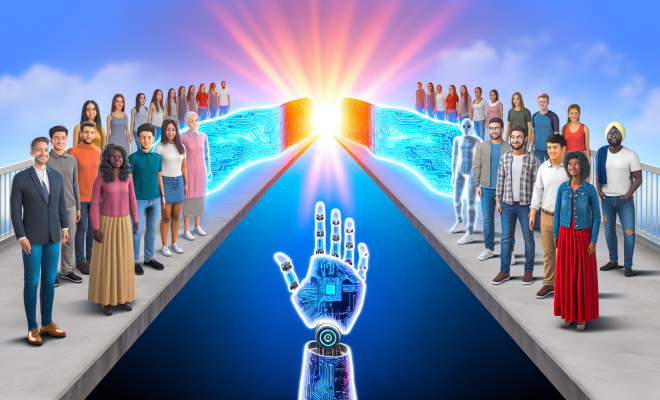
In recent years, the landscape of college campuses has become increasingly polarized, with students often finding themselves entrenched in ideological battles that can hinder productive dialogue and mutual understanding. As political and social divides widen, a new generation of students is grappling with the consequences of this polarization, leading to a pressing question: Can artificial intelligence (AI) serve as a bridge to foster civil discourse among students with opposing views?
The Rise of Polarization in Higher Education
Polarization is not a new phenomenon, but its manifestation on college campuses has evolved dramatically. Factors such as social media, partisan news, and heightened political tensions have contributed to a culture where dissenting opinions are often met with hostility rather than discussion. According to a study conducted by the Foundation for Individual Rights and Expression (FIRE), nearly 80% of college students believe that political views on their campuses are polarized.
Furthermore, the American Association of University Professors reported that many students feel pressured to conform to the prevailing viewpoints, leading to self-censorship and a reluctance to engage in discussions on contentious issues. This atmosphere not only stifles intellectual diversity but also hampers the development of essential skills, such as critical thinking and empathy.
AI as a Solution: The Emergence of Chatbot Programs
In response to this growing challenge, several educational institutions are turning to AI-powered platforms designed to facilitate respectful dialogue and enhance active listening skills among students. These programs aim to create a safe space for students to explore different perspectives without the fear of judgment or backlash.
How AI Chatbots Work
AI chatbots utilize natural language processing (NLP) and machine learning algorithms to engage users in conversation. These chatbots can simulate discussions on various topics, allowing students to practice articulating their views while also learning to listen to opposing opinions. By providing real-time feedback and encouraging reflective thinking, these platforms aim to cultivate an environment of mutual respect.
Notable AI Platforms and Initiatives
- Dialog AI: This chatbot focuses on teaching students active listening techniques and respectful dialogue. By prompting users with questions and guiding them through conversation scenarios, Dialog AI helps students navigate difficult discussions.
- Discourse AI: A platform that offers structured dialogue pathways, Discourse AI encourages users to explore various sides of an argument. It emphasizes understanding and empathy by presenting alternative viewpoints for consideration.
- Campus Connect: This initiative pairs students of differing political beliefs for guided discussions facilitated by AI chatbots. The program aims to foster connections and reduce divisiveness through structured interactions.
The Impact on Student Engagement
The introduction of AI-driven platforms in educational settings has shown promising results. Many students report feeling more comfortable expressing their thoughts and engaging in discussions about contentious issues. By using chatbots as intermediaries, students can practice dialogue without the immediate pressure of peer reactions.
Case Studies and Success Stories
Several universities have already begun integrating AI chatbot programs into their curriculums and extracurricular activities. For instance, a pilot program at the University of Michigan reported a notable increase in student engagement during discussions on political topics after implementing an AI-powered dialogue coach. Students noted that they felt more prepared to articulate their views and listen to others, leading to a more constructive conversation.
Similarly, at the University of California, Berkeley, students participating in structured discussions facilitated by AI chatbots experienced a greater appreciation for diverse perspectives. Feedback from participants highlighted the chatbot’s ability to guide conversations, ensuring that all voices were heard.
Challenges and Limitations
While the potential for AI to foster civil discourse is significant, there are challenges to consider. Critics argue that AI cannot fully replicate the nuances of human interaction, which may limit its effectiveness in deeply personal or emotional discussions. Additionally, there are concerns about the data privacy implications of using AI in educational environments.
Ethical Considerations
As AI continues to be integrated into educational settings, ethical considerations must be at the forefront. Issues such as data security, algorithmic bias, and the need for transparency in AI operations are critical to ensuring that these technologies serve all students equitably.
The Future of AI in Higher Education
The growing trend of using AI to address polarization in higher education reflects a broader movement toward leveraging technology for social good. As institutions continue to explore innovative solutions, the role of AI in fostering dialogue and understanding may become increasingly vital.
Potential Developments
Looking ahead, there are several areas where AI could further enhance civil discourse:
- Customized Learning Experiences: Future AI platforms could provide personalized feedback based on a student’s engagement style, helping to tailor their learning experience.
- Integration with Curriculum: By incorporating AI dialogue tools into core courses, educators can create a more holistic approach to teaching communication and critical thinking skills.
- Longitudinal Studies: Research into the long-term effects of AI-assisted discussions on student attitudes and behaviors could provide valuable insights into the effectiveness of these initiatives.
Conclusion
As polarization continues to challenge the fabric of higher education, the potential for AI to foster civil discourse represents a promising avenue for bridging divides. By empowering students to engage in respectful dialogue and enhancing their active listening skills, these innovative platforms can help cultivate a more inclusive and understanding campus environment.
While challenges remain, the commitment to leveraging technology for positive change is evident. With the right balance of ethics, empathy, and innovation, AI could play a pivotal role in shaping a future where diverse viewpoints coexist harmoniously on college campuses.