The Tech Edvocate

Top Menu

  • Advertisement
  • Apps
  • Home Page
  • Home Page Five (No Sidebar)
  • Home Page Four
  • Home Page Three
  • Home Page Two
  • Home Tech2
  • Icons [No Sidebar]
  • Left Sidbear Page
  • Lynch Educational Consulting
  • My Account
  • My Speaking Page
  • Newsletter Sign Up Confirmation
  • Newsletter Unsubscription
  • Our Brands
  • Page Example
  • Privacy Policy
  • Protected Content
  • Register
  • Request a Product Review
  • Shop
  • Shortcodes Examples
  • Signup
  • Start Here
    • Governance
    • Careers
    • Contact Us
  • Terms and Conditions
  • The Edvocate
  • The Tech Edvocate Product Guide
  • Topics
  • Write For Us
  • Advertise

Main Menu

  • Start Here
    • Our Brands
    • Governance
      • Lynch Educational Consulting, LLC.
      • Dr. Lynch’s Personal Website
      • Careers
    • Write For Us
    • The Tech Edvocate Product Guide
    • Contact Us
    • Books
    • Edupedia
    • Post a Job
    • The Edvocate Podcast
    • Terms and Conditions
    • Privacy Policy
  • Topics
    • Assistive Technology
    • Child Development Tech
    • Early Childhood & K-12 EdTech
    • EdTech Futures
    • EdTech News
    • EdTech Policy & Reform
    • EdTech Startups & Businesses
    • Higher Education EdTech
    • Online Learning & eLearning
    • Parent & Family Tech
    • Personalized Learning
    • Product Reviews
  • Advertise
  • Tech Edvocate Awards
  • The Edvocate
  • Pedagogue
  • School Ratings

logo

The Tech Edvocate

  • Start Here
    • Our Brands
    • Governance
      • Lynch Educational Consulting, LLC.
      • Dr. Lynch’s Personal Website
        • My Speaking Page
      • Careers
    • Write For Us
    • The Tech Edvocate Product Guide
    • Contact Us
    • Books
    • Edupedia
    • Post a Job
    • The Edvocate Podcast
    • Terms and Conditions
    • Privacy Policy
  • Topics
    • Assistive Technology
    • Child Development Tech
    • Early Childhood & K-12 EdTech
    • EdTech Futures
    • EdTech News
    • EdTech Policy & Reform
    • EdTech Startups & Businesses
    • Higher Education EdTech
    • Online Learning & eLearning
    • Parent & Family Tech
    • Personalized Learning
    • Product Reviews
  • Advertise
  • Tech Edvocate Awards
  • The Edvocate
  • Pedagogue
  • School Ratings
  • iClever Q950 Kids Headphones Review: Premium Sound and Safety for Young Listeners

  • The Reckless Ben Controversy: An Outrageous Fight for Justice

  • Outrageous: The Sydney Sweeney Ad Controversy You Didn’t See Coming — And Why It’s Working

  • The AI CRM War: Why Salesforce Just Made a $2 Billion Bid for a Startup

  • OpenAI’s Navier-Stokes ‘Solution’ Ignites Firestorm: Did They Steal It?

  • Blizzard’s Boldest Bet: Why a StarCraft Shooter in 2030 Could Redefine Gaming

  • Volatile: Why Top AI Bosses Just Triggered a Massive AI Stocks Decline

  • ‘Godfather of AI’ backs Anthropic chief’s call to slow down development

  • Why Millions Are Flocking to Trade Schools as AI Reshapes the Job Market

  • Unmasking the Bizarre ‘Cat in the Hat’ Trend: Why Schools Are Sounding the Alarm

Digital & Mobile Technology
Home›Digital & Mobile Technology›Android USB Connections Explained: MTP, PTP, and USB Mass Storage

Android USB Connections Explained: MTP, PTP, and USB Mass Storage
By Matthew Lynch
April 10, 2023
0
Spread the love

Android devices, like any other mobile device, come with a variety of ways to connect to your computer or other devices. Three common ways of connecting your Android device to your computer or other devices are MTP, PTP, and USB Mass Storage. Each of these has its own strengths and weaknesses. In this article, we’ll discuss these three types of connections and help you choose the best one for your needs.

MTP

Media Transfer Protocol (MTP) is one of the most common ways of connecting an Android device to a computer. It’s a protocol designed to transfer media files and other data between your Android device and the computer. MTP is supported by most modern Android devices and is the default connection method in many Android devices.

MTP is an excellent choice when you need to transfer files such as music, videos, and photos. With MTP, you don’t need to manually transfer files, as the computer can access and manage the files directly on your Android device. Another advantage of MTP is that it transfers files quickly and doesn’t require any additional software or drivers.

PTP

Picture Transfer Protocol (PTP) is another popular way of connecting an Android device to a computer. As the name suggests, PTP is primarily used for transferring photos or other images from the device to the computer. PTP is similar to MTP, but with a focus on image transfer.

PTP is useful when you need to transfer a large number of photos from your device to your computer. With PTP, you can transfer high-quality images quickly, without worrying about resolution or file size. PTP is also a simple and user-friendly way to create backups of your photos and videos.

USB Mass Storage

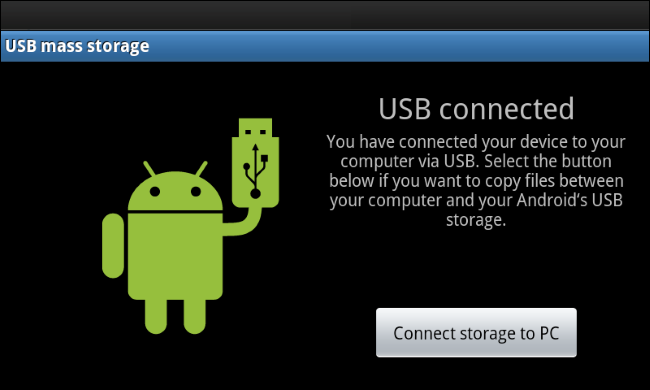
The USB Mass Storage protocol is one of the oldest and most robust ways of connecting an Android device to a computer. Unlike MTP and PTP, USB Mass Storage treats your Android device as a removable drive, just like a USB flash drive or an external hard drive. With this protocol, you can see, access, and manage all the files on your Android device, including apps and system files.

One advantage of USB Mass Storage is that it provides more control over the files on your Android device. You can easily copy, move, or delete files on your device, just like you do on a USB flash drive. USB Mass Storage also works with older computers that don’t have MTP or PTP support, making it an excellent choice for people with older devices.

Which One to Choose?

The choice between MTP, PTP, and USB Mass Storage depends on your specific needs. If you need to transfer a lot of photos, choose PTP. If you need to transfer media files, choose MTP. If you want more control over your device’s files, choose USB Mass Storage.

It’s worth noting that newer versions of Android don’t support USB Mass Storage by default. Instead, they use MTP as the primary connection method. You can still use USB Mass Storage on older devices or by using third-party software. In conclusion, MTP, PTP, and USB Mass Storage are three useful protocols for connecting your Android device to your computer or other devices. Each of them has its own strengths and weaknesses, and the choice between them depends on your specific needs. By choosing the right protocol, you can enjoy fast and efficient file transfer and management on your Android device

Previous Article

Are Laptop Cooling Pads Worth The Money?

Next Article

Another small iPhone update is rushed out ...

Matthew Lynch

Related articles More from author

  • Digital & Mobile Technology

    How to Fix Ghost Typing and False Touch on iPad

    June 11, 2023
    By Matthew Lynch
  • Digital & Mobile Technology

    What Is the curl Command in Linux and What Can You Do With It?

    June 10, 2023
    By Matthew Lynch
  • Digital & Mobile Technology

    What is Software Framework?

    May 12, 2023
    By Matthew Lynch
  • Digital & Mobile Technology

    Best Chrome Themes to Customize Your Browser

    August 5, 2023
    By Matthew Lynch
  • Digital & Mobile Technology

    What is an XLR Connector?

    May 5, 2023
    By Matthew Lynch
  • Digital & Mobile Technology

    Mobile Apps to Easily Share Your Location with Your Family

    April 10, 2023
    By Matthew Lynch

Search

Login & Registration

  • Log in
  • Entries feed
  • Comments feed
  • WordPress.org

Newsletter

Signup for The Tech Edvocate Newsletter and have the latest in EdTech news and opinion delivered to your email address!

About Us

Since technology is not going anywhere and does more good than harm, adapting is the best course of action. That is where The Tech Edvocate comes in. We plan to cover the PreK-12 and Higher Education EdTech sectors and provide our readers with the latest news and opinion on the subject. From time to time, I will invite other voices to weigh in on important issues in EdTech. We hope to provide a well-rounded, multi-faceted look at the past, present, the future of EdTech in the US and internationally.

We started this journey back in June 2016, and we plan to continue it for many more years to come. I hope that you will join us in this discussion of the past, present and future of EdTech and lend your own insight to the issues that are discussed.

Newsletter

Signup for The Tech Edvocate Newsletter and have the latest in EdTech news and opinion delivered to your email address!

Contact Us

The Tech Edvocate
910 Goddin Street
Richmond, VA 23231
(601) 630-5238
[email protected]

Copyright © 2026 Matthew Lynch. All rights reserved.