A Guide to Implementing Blended Learning
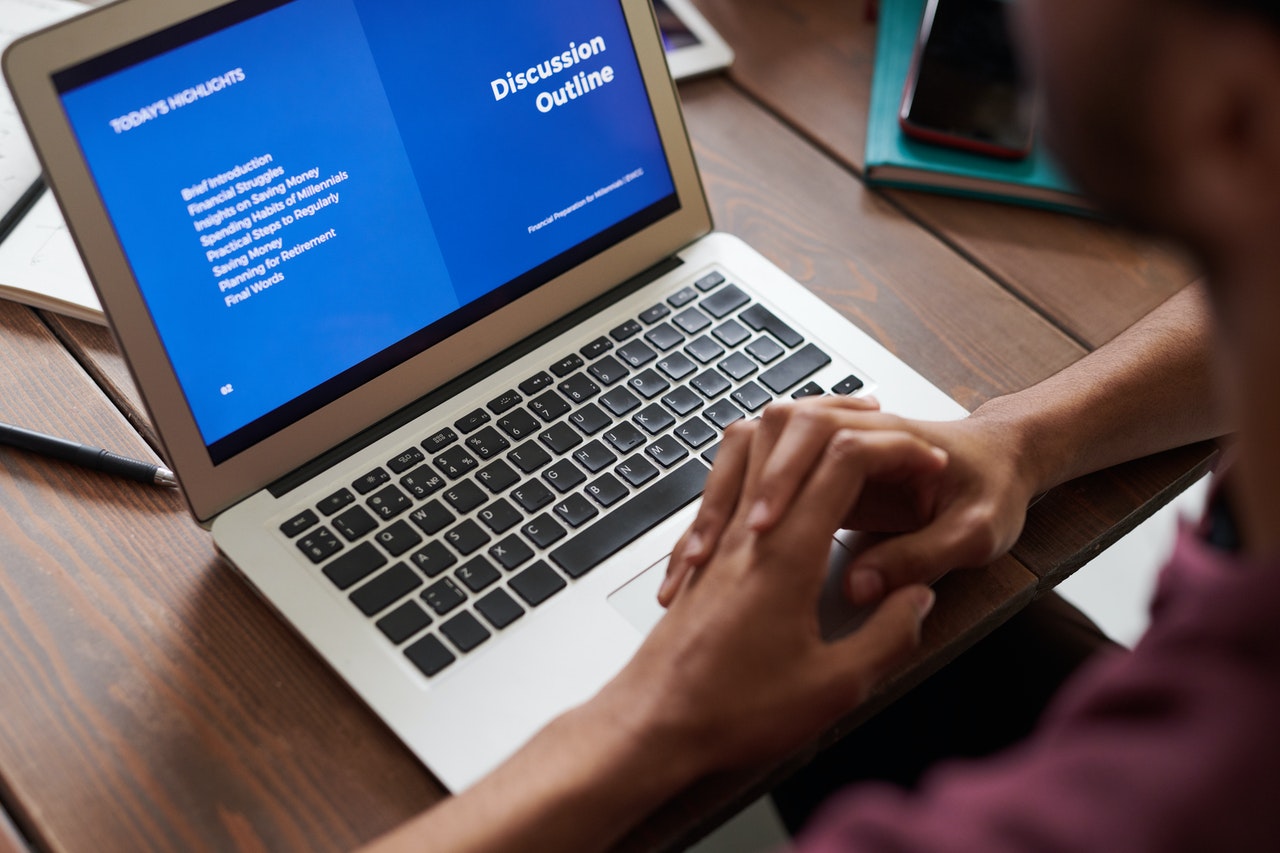
Blended learning is not a new concept, but has not been implemented on a massive scale in the education system. However, as of now, it is expanding and improving its methodologies. In turn, it is increasing our chances of incorporating it successfully into teaching and benefiting learners like never before.
What is Blended Learning?
We can define blended learning as learning delivered with digital or online media or a mix of remote and face to face teaching. This model is learner-directed in terms of time, path, pace, and place. This provides a learning experience that is appealing and delivers successful learning outcomes.
As per the Clayton Christensen Institute explanation, most blended learning works on any of these four models:
- Rotational: Learners rotate through various modes of learning. One of them is online or digital.
- Flex: Learners do learning exclusively online. It is done at the school under educator supervision, however.
- A La Carte: Learners do their learning entirely online with an online instructor.
- Enriched Virtual: Learners receive one-on-one sessions with their teacher. They are then free to finish the rest of the classwork online.
Blended learning strategies are a good way to mix it up in the classroom. With a mix of instruction and technology, it can be a great way to boost learning outcomes. In this article, we will list a few tips to incorporate blended learning in your classrooms or lessons.
How can you incorporate blended learning into your classroom or lesson?
1. Rather than randomly reaching into the mixed bag of web-based and computer-based tools, think about what issues you are currently facing and then look for technology-based solutions that specifically address the problem.
For instance, find a handful of solutions ask learners to participate in classroom discussions. This will also give learners who are shy or too “cool” could find their voice in an online forum. You can also create and moderate many online collaboration spaces where learners can spend focused time together online, nurturing debate and discovery.
2. Get a clear picture of your class. When it is about blended learning, it does not mean that it is for learners only. Learners and instructors can grow together, as it should be, and this is a big part of making any blended learning strategies successful. However, there is a big misconception about blended learning because it is synonymous with “distance” and “detachment,” a probable reason educators initially shy away from it. However, the fact is that the blend is in harmony with both digital learning and traditional instruction. Moreover, the educator plays a modified role from the old “stand and deliver” one; it is meant to be the best of both worlds combined.
In blended learning, educators should help lead lively class discussions to supplement the digital interaction. Here, learners know that educator plays a role that’s just as valued and appreciated as the technology. It is a more rewarding form of interaction. In a blended learning environment, students circulate, collaborate, and mediate, and in the process, they learn a lot about themselves and others.
3. Use a variety of tools but do not rely too much on technology. Undoubtedly, it is very important to incorporate technology into your lessons. However, relying on tech tools can become boring or predictable over time. So, it is better not to rely too much on technology, and to keep things fresh and exciting and use different tools and games. For instance, use PowerPoints often and show videos on the lesson’s topic to your learners. You can also use VR, if available, as it is a great way to immerse the learners in novel realities.
4. Make learning accessible for learners. It is known to all; digital learning allows learners to have the opportunity to access the curriculum even after the lesson is finished. However, as an educator, you need to store the curriculum on a platform that can be accessed by the learners. For example, if you show your learners a video or a PowerPoint, you could save the material on the cloud to help learners get access to it whenever they want.
5. Personalize learning pathways for each learner because not every learner can learn at the same pace and have the same understanding level. So before starting a class, ensure that you use resources that have varying degrees of difficulty. This will provide a challenge for the more academically-gifted learners, and you will be there to assist the weaker learners.
6. Choose a blended learning model that caters to your needs. There are a variety of blended learning models. So, before implementing any style of teaching into your classroom, find a model that you prefer. For example, the station rotation model involves learners rotating to different technology stations around their classroom.
7. Experiment with the flipped classroom model. As flipped classroom model ‘flips’ the traditional model of learning upside down. So, the learner can use independent study time to watch lecture content and introduce new concepts. Then use class time to discuss this information, do exercises with the support of their educator, and engage in group work and discussion. This favorite model of educators and learners allows class educators to maximize the social value of classroom time while ensuring that learners do not miss out on learning new information.
8. Try something outside of the box. It is very important to try new things because doing the same things repeatedly can cause learners to disengage. So it is advisable to try to liven your blended learning approach with something outside of the box.